The short version
- German and Russian foreign ministers held their first bilateral talks since the 2022 invasion, though Russia characterized the exchange as a mere restatement of public positions rather than genuine dialogue.
- Berlin urged Moscow to cease escalation and secure grain export agreements, while Lavrov accused Germany of acting as Ukraine’s primary military sponsor and threatening European stability.
- As diplomatic channels remain frozen, Russian forces have expanded attacks on Kyiv’s data centers and internet providers, coinciding with preparations for severe winter power disruptions.
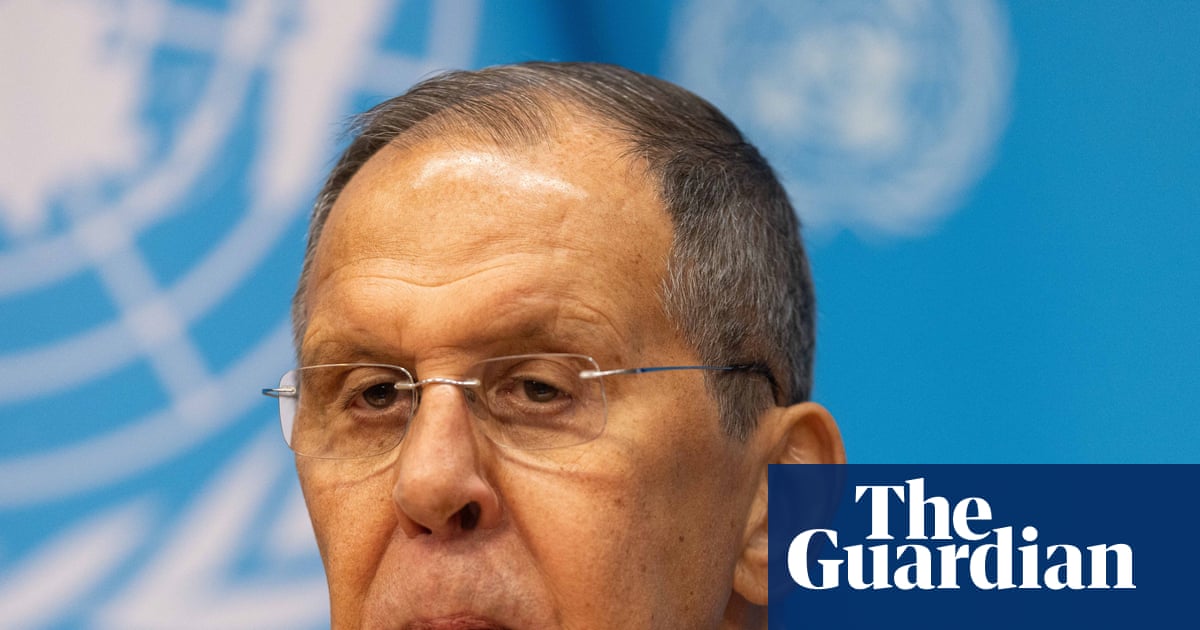
Diplomatic engagement between Moscow and Berlin resumed briefly on the sidelines of the United Nations General Assembly in New York, marking the first direct talks between the two nations’ foreign ministers since Russia launched its full-scale invasion of Ukraine. The meeting occurred despite a prolonged freeze in bilateral relations that deepened following recent drone incidents at Leipzig airport. German Foreign Minister Johann Wadephul used the encounter to press Russian counterpart Sergei Lavrov to abandon what he described as a dangerous trajectory of escalation against Germany, Europe, and NATO.
The exchange yielded little substantive progress, with Lavrov dismissing the conversation as unproductive. He stated that Wadephul merely reiterated official public condemnations rather than engaging in new dialogue, suggesting that a simple phone call would have sufficed to convey Berlin’s stance. Lavrov challenged Germany’s strategic posture, questioning whether Berlin understood the potential consequences of its actions and invoking historical lessons from World War II. He accused Germany of serving as Ukraine’s main sponsor while simultaneously seeking to establish itself as a leading military power in Europe.
Despite the rhetorical friction, officials from both delegations confirmed that discussions touched upon bilateral ties and the ongoing war. Wadephul specifically urged Lavrov to facilitate agreements regarding grain exports through the Black Sea, highlighting humanitarian and economic concerns. Following the meeting, Wadephul informed European allies via message, reiterating calls for an immediate ceasefire with particular emphasis on protecting energy infrastructure and ensuring food security. He framed Russia’s actions as a direct threat to Ukrainian statehood, culture, and the broader European peace order.
The diplomatic encounter unfolded against a backdrop of intensifying aerial warfare. Frontline positions have remained largely static since the previous year, prompting both sides to escalate long-range strikes. Russian forces have increased bombardments using cruise missiles, ballistic missiles, glide bombs, and jet-powered drones. In response, Ukrainian operators have targeted Russian oil refineries and commercial facilities with long-range drones. Casualties reported on Saturday included four deaths in Ukraine attributed to Russian attacks and three fatalities in Russia linked to a Ukrainian drone strike.
A significant development in the conflict involves Russia’s targeting of Ukraine’s digital infrastructure. Recent strikes have hit several data centers and internet service providers in Kyiv, an apparent effort to degrade the digital backbone of the Ukrainian economy. This shift suggests a broadening of military objectives beyond traditional battlefield gains to include systemic disruption of civilian and economic functions. The attacks coincide with preparations by Kyiv residents for a harsh winter, as citizens stockpile generators, food supplies, and hygiene products in anticipation of prolonged power outages and continued aerial threats.
Ukrainian leadership has emphasized the necessity of robust international responses to counter Russian escalation. President Volodymyr Zelenskyy warned that daily increases in Russian aggression require stronger global measures to prevent further spread of the conflict. He highlighted the brutal nature of recent strikes and called for sustained support to maintain Ukraine’s defensive capabilities. Meanwhile, US political figures have expressed hope for a settlement between Kyiv and Moscow, reflecting ongoing diplomatic efforts to find a resolution amidst the stalemate.
At the UN assembly, Lavrov defended Russia’s military campaign while criticizing Western nations and Japan for militarization. He indicated that Russia would veto any attempts by Germany and Japan to secure permanent seats on the UN Security Council, citing their historical roles as adversaries in World War II. Conversely, Wadephul addressed the assembly by noting the overwhelming majority of member states have repeatedly condemned the invasion. The contrasting narratives underscore the deep divisions within the international community regarding the path forward.
The meeting serves as a rare glimpse into the diplomatic dynamics between major European powers and Russia during an active conflict. While no new agreements emerged, the dialogue reaffirmed existing positions and highlighted the challenges of negotiating under conditions of sustained violence. The focus on grain exports and energy infrastructure points to specific areas where diplomatic pressure may yield tangible results, even as broader political disagreements persist. The coming months will likely see continued testing of these diplomatic channels alongside ongoing military operations.
As winter approaches, the humanitarian situation in Ukraine remains precarious. The combination of infrastructure damage, power shortages, and cold weather poses significant risks to civilian populations. International observers are monitoring the effectiveness of aid efforts and the resilience of Ukrainian systems under pressure. The diplomatic exchanges in New York, while limited in scope, reflect the complex interplay between military confrontation and political negotiation that characterizes the current phase of the war.
Future developments will depend on whether either side is willing to engage in more substantive dialogue or if the conflict will continue to escalate through aerial and digital means. The positions articulated by Wadephul and Lavrov suggest a significant gap in perspectives that may be difficult to bridge without external pressure or changes on the battlefield. The international community remains divided on how best to respond, balancing calls for de-escalation with demands for accountability and support for Ukrainian sovereignty.
Sources behind this briefing
Go to the original reporting
- The Guardian US↗Ukraine war briefing: German foreign minister urges Russia to abandon dangerous escalation in rare meeting

