The short version
- Keisha Lance Bottoms wins the governorship, becoming the first Black woman elected to lead a U.S. state.
- The victory marks the first time Democrats have held the Georgia governor's office in over twenty years.
- Bottoms defeated Rick Jackson, who spent more than $100 million of his personal wealth on the campaign.
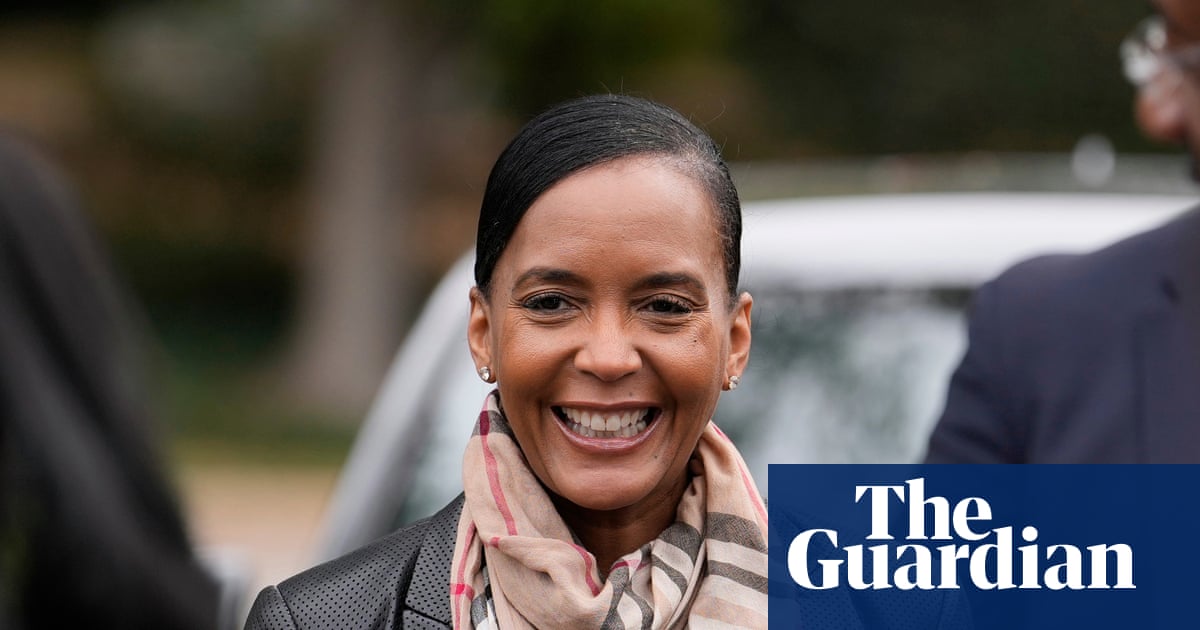
Keisha Lance Bottoms has won the race for governor of Georgia, securing a historic victory that makes her the first Black woman to be elected as a state chief executive in the United States. The result represents a significant shift in the political landscape of a state that has served as a critical battleground in recent national elections. By defeating Republican candidate Rick Jackson, Bottoms also ends more than two decades of continuous Republican control over the governor’s mansion, marking the first time a Democrat has held the office since the early 2000s.
The outcome was widely viewed as an upset given the financial advantages held by the Republican nominee. Rick Jackson, a billionaire businessman, invested heavily in his bid for the top job, pouring more than $100 million of his personal fortune into the campaign. His strategy relied on saturating media channels with messaging that highlighted social unrest, including chaotic scenes from the 2020 George Floyd protests and the tragic death of Secoriea Turner, an eight-year-old girl killed during a street takeover by gunmen armed with rifles. Despite this substantial financial outlay and early status as the favorite to win, Jackson was unable to secure victory in the final days of the campaign.
Bottoms, 56, brings a long history of public service to the role. A native of Atlanta and the daughter of blues musician Major Lance, she previously worked as an attorney and served as a magistrate judge in Fulton County before entering elected office. She first won a seat on the Atlanta City Council in 2009 and later served as mayor of the city. Her tenure as mayor concluded during the height of the George Floyd protests in 2020, when she announced she would not seek re-election. At that time, she was reportedly on a short list of potential vice-presidential candidates for the Biden administration.
Following her departure from the mayoral office, Bottoms joined the Biden White House as a senior adviser and director of the Office of Public Engagement, serving until 2023. She entered the gubernatorial race after Lucy McBath, a U.S. representative who was initially considered the party’s favorite for the nomination, withdrew from contention due to her spouse’s health issues. Bottoms navigated a crowded Democratic primary field, defeating six other candidates without the need for a runoff election.
The campaign gained momentum in its final stages through high-profile endorsements and appearances. Bottoms campaigned alongside Democratic Senator Jon Ossoff, who also secured re-election on Tuesday. Additionally, former President Barack Obama joined her on the trail days before the vote, lending national attention to her bid. These efforts appeared to resonate with voters in a state known for tight margins in statewide contests, helping to shift momentum away from Jackson despite his earlier lead.
Bottoms’ platform focused heavily on issues of affordability and access to healthcare. She pledged to sign legislation that would expand Medicaid under the Affordable Care Act, aiming to increase coverage for residents who currently lack insurance. Additionally, she campaigned on rolling back restrictions on abortion access within the state, positioning herself as a candidate committed to reproductive rights. These policy priorities distinguished her from Jackson and appealed to voters concerned with economic stability and personal freedoms.
The election results reflect broader trends in Georgia politics, where the electorate has become increasingly competitive and diverse. The state’s status as a swing market means that statewide races often come down to narrow margins, making voter turnout and coalition-building critical factors. Bottoms’ ability to unify various demographic groups and mobilize support in key counties contributed to her success. Her victory underscores the evolving nature of Georgia’s political identity and its role in national electoral dynamics.
As Bottoms prepares to assume office, she faces the challenge of governing a state with a complex political history and diverse population. Her administration will need to address pressing issues such as healthcare access, economic development, and social equity. The historic nature of her election adds additional scrutiny and expectation to her tenure. Stakeholders across the state will be watching closely to see how she translates her campaign promises into actionable policy.
The implications of this election extend beyond Georgia’s borders. Bottoms’ win signals a potential shift in the balance of power within the Democratic Party and offers a new model for leadership in states with mixed political leanings. Her background as a former mayor, White House adviser, and judge provides her with a unique perspective on governance. As she takes office, her administration will be tasked with navigating these challenges while maintaining the coalition that brought her to victory.
Looking ahead, the focus will turn to policy implementation and legislative priorities. Bottoms will work with state lawmakers to advance her agenda, including Medicaid expansion and abortion access reforms. The coming months will reveal how effectively she can govern in a divided political environment. Her historic achievement sets a precedent for future elections and highlights the growing influence of diverse voices in American politics.
Sources behind this briefing
Go to the original reporting
- The Guardian US Politics↗Georgia’s Keisha Lance Bottoms makes US history as first Black woman to be elected state governor
- NPR↗Georgia elects the nation's first Black female governor