The short version
- George Fenton died at age 76; his family described the passing as unexpected but did not specify a cause.
- His career spanned over 100 films, earning five Academy Award nominations for works including Gandhi and The Fisher King.
- Fenton composed iconic themes for BBC news broadcasts and major nature documentaries by David Attenborough.
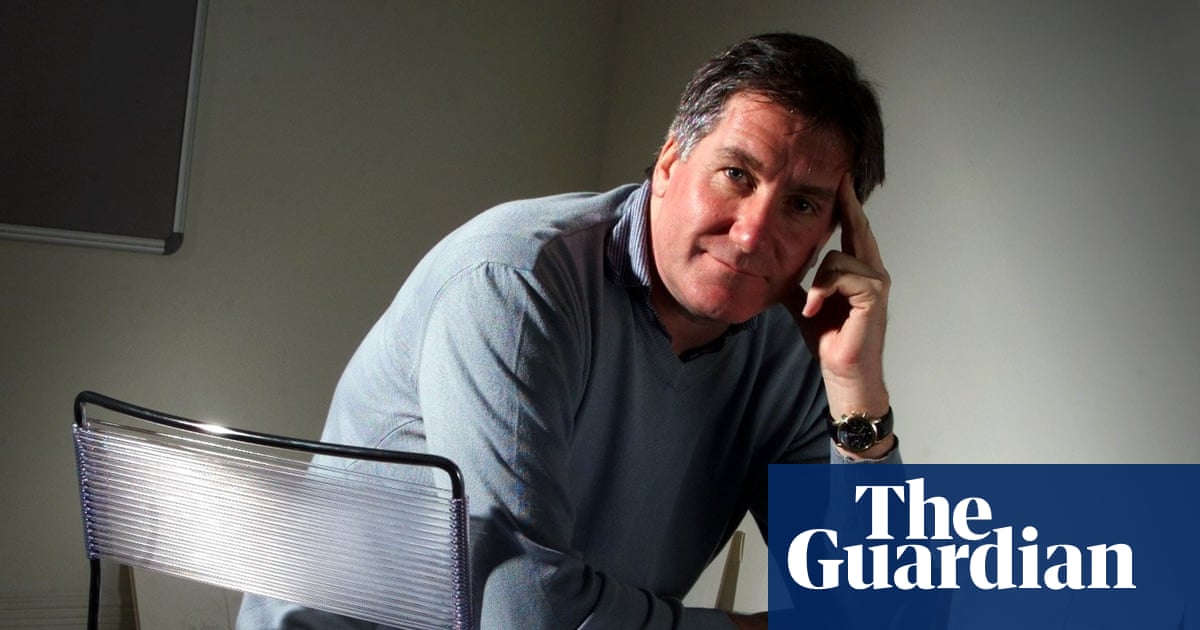
George Fenton, a defining voice in British film scoring whose work bridged the gap between independent cinema and mainstream Hollywood blockbusters, has died. He was 76 years old. A statement released by his family confirmed that his death was unexpected, though it did not disclose the specific cause. The announcement noted that he is survived by his wife Amanda, his former wife Jane, three children, and six grandchildren, alongside what the family described as a lasting legacy of music.
Born George Howe in Bromley, Kent, in 1949, Fenton’s early artistic ambitions were not immediately focused on composition. He began playing guitar as a child and later studied organ. During his youth, he pursued opportunities in performance, recording a cover of Maxwell’s Silver Hammer that achieved Top 10 status in Sweden. He also sought acting roles, appearing in Alan Bennett’s West End production Forty Years On in 1968, where he adopted the stage name George Fenton. He continued acting through the mid-1970s, including a recurring part on the television soap opera Emmerdale Farm.
The transition to composition began in earnest in 1974 when he was commissioned to write music for a Royal Shakespeare Company production of Twelfth Night. This engagement launched a series of collaborations with the RSC and marked his shift from performer to creator. By 1976, he had expanded into television scoring for Stephen Poliakoff’s Hitting Town. His professional trajectory accelerated through partnerships with prominent directors, most notably Stephen Frears, with whom he worked on eleven productions starting in 1978.
Fenton achieved critical acclaim and industry recognition through his work with Richard Attenborough. Their collaboration on Gandhi in 1982 earned Fenton his first Academy Award nomination for Best Original Score, which he shared with Ravi Shankar. He received two additional nominations for their subsequent film Cry Freedom: one for Best Original Score and another for Best Original Song for the title track, co-written with Jonas Gwangwa. Fenton performed the song live at the Oscars, a experience he later characterized as intensely stressful due to the pressure of singing complex lyrics about anti-apartheid struggle to a global audience without instrumental support.
Beyond narrative cinema, Fenton’s compositions became embedded in daily British media consumption. He wrote theme music for several BBC news programs, including the flagship broadcasts, Newsnight, and Radio 4’s PM. His ability to craft recognizable auditory identities extended to nature documentaries, where he scored landmark series for David Attenborough such as The Blue Planet, Planet Earth, and Frozen Planet. He later adapted this material into live concert formats, bringing the orchestral scores to theatrical audiences.
His most enduring professional relationship was with director Ken Loach, for whom Fenton composed music for 18 films. This partnership included scoring The Wind That Shakes the Barley, which won the Palme d’Or at Cannes, and Looking for Eric. Fenton also maintained long-term collaborations with Nicholas Hytner, scoring all of his feature films including The Madness of King George and The History Boys. Other frequent partners included Neil Jordan, Nora Ephron, and Andy Tennant, contributing to a diverse portfolio that ranged from Terry Gilliam’s The Fisher King to romantic comedies like Groundhog Day.
Fenton’s body of work exceeded 100 feature films, in addition to contributions to theater, television news, and documentary projects. His versatility allowed him to navigate different genres and tones, from the political intensity of Loach’s dramas to the whimsical nature of Ephron’s comedies. In recognition of his contributions to the arts, he was awarded a CBE for services to music in 2023.
The loss of Fenton marks the end of a career that significantly shaped the sonic landscape of British and international cinema. His scores provided emotional depth to some of the most celebrated films of the late 20th and early 21st centuries. While his family has kept details of his final days private, the public record reflects a musician who remained active and respected until the end of his life.
Sources behind this briefing
Go to the original reporting
- The Guardian World↗George Fenton, Oscar-nominated British composer for more than 100 films, dies aged 76