The short version
- Recent Houthi missile strikes on Riyadh infrastructure have directly disrupted scheduled athletic competitions, including football matches and esports tournaments.
- Major events such as the Asian Tour golf tournament and cycling championships have been postponed or cancelled due to safety concerns.
- The kingdom is reassessing long-term projects, including relocating the 2029 Winter Asian Games and potentially reducing stadium construction for the 2034 World Cup.
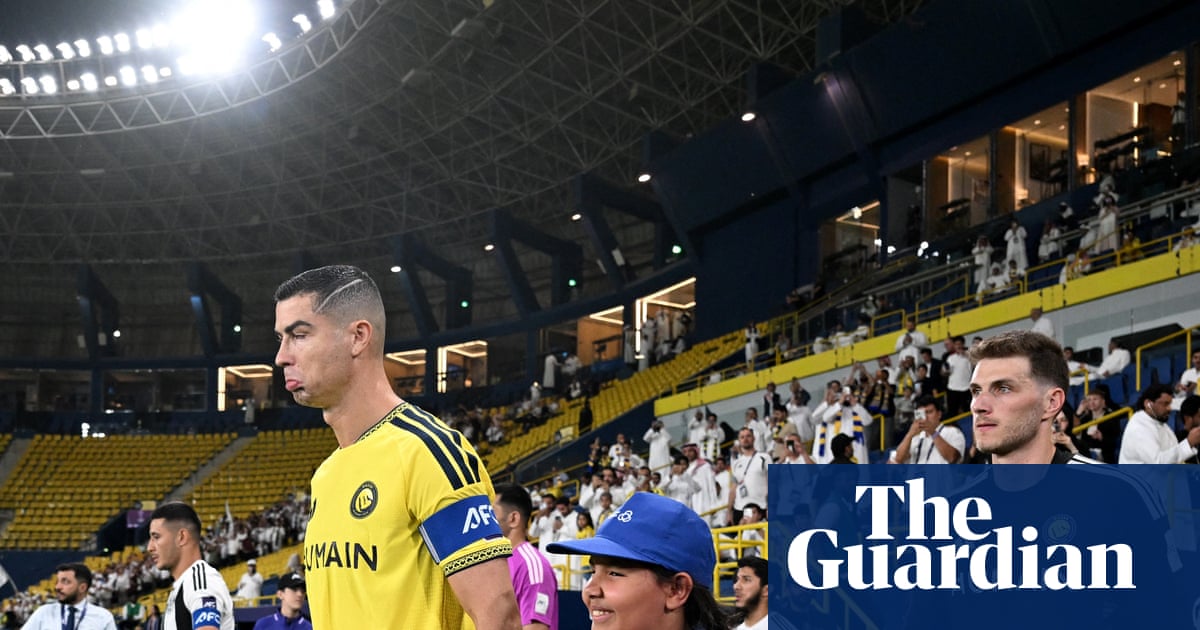
The trajectory of Saudi Arabia’s ambitious sports expansion has encountered significant headwinds as regional conflict intersects with high-profile athletic events. What was intended to be a showcase of global sporting prowess is increasingly defined by security disruptions and logistical retreats. A recent Asian Champions League Elite match between Al-Nassr and Neftchi Fergana, featuring prominent players like Cristiano Ronaldo, proceeded only after a delay caused by missile attack warnings. This incident occurred shortly after Houthi strikes on King Khalid International Airport resulted in thirteen deaths and over three hundred injuries, underscoring the tangible risks now facing public gatherings in Riyadh.
The immediate impact on the sporting calendar has been substantial. The Asian Tour has indefinitely postponed its Saudi International golf event, while the urban cycling world championship scheduled for Riyadh has been cancelled entirely. Additionally, the Fifa esports World Cup was delayed, and the Six Kings Slam tennis tournament has been rescheduled to late December. These adjustments reflect a pragmatic response to an evolving security landscape that contrasts sharply with the kingdom’s earlier projections of seamless international integration.
Beyond immediate cancellations, long-term strategic plans are undergoing revision. The 2029 Saudi Winter Asian Games have been relocated to Kazakhstan, a decision attributed to the latter’s existing mountainous terrain and snow conditions, which offer a more viable setting for winter sports than the Saudi environment. In football infrastructure, reports indicate that five proposed new stadiums for the 2034 World Cup may not be constructed. This includes the Neom stadium, which was part of the broader, now scaled-back, development vision for the futuristic city project known as The Line.
These operational shifts occur against a backdrop of financial recalibration within the Public Investment Fund (PIF). The fund, chaired by Crown Prince Mohammed bin Salman, has faced scrutiny over the performance of its leisure investments. LIV Golf, a central component of the kingdom’s strategy to unify the sport under Saudi influence, has reportedly incurred losses estimated at $6 billion for the PIF. This financial strain coincides with a broader reassessment of projects that were once viewed as essential to the nation’s economic diversification efforts.
The underlying motivation for this sports-driven investment strategy remains rooted in economic necessity. Yasir al-Rumayyan, chair of Aramco and governor of the PIF, has previously articulated the existential need to move beyond oil dependency. He has described reliance on a single commodity as a disease that leads to societal dormancy, citing historical examples like Portugal’s decline after its gold reserves were depleted. With seventy-five percent of the Saudi population under the age of thirty-five, the state faces pressure to create jobs and provide quality of life improvements for a growing youth demographic.
However, the geopolitical instability now threatening these initiatives introduces new variables into this economic equation. Analysts suggest that if regional conflict impedes the regime’s ability to generate employment, the risk of social unrest could increase. The potential for radicalization among young men, particularly in a region with historical ties to extremist movements, adds a layer of complexity to the state’s stability calculations. The failure to deliver on promised economic opportunities could make alternative narratives more appealing to disaffected citizens.
The contrast between the kingdom’s aspirational branding and its current operational reality is stark. While officials continue to emphasize the importance of diversification and global engagement, the practical execution of these goals is being constrained by immediate security threats. The delay of matches and cancellation of events are not merely logistical inconveniences but indicators of a broader challenge in maintaining the momentum of Vision 2030’s sports pillar.
As the situation develops, the focus will likely shift from expansion to consolidation. The relocation of major events and the potential scaling back of infrastructure projects suggest a more cautious approach to international sporting diplomacy. The kingdom must now balance its long-term economic goals with the immediate demands of security and stability in a volatile region.
The implications extend beyond sports, touching on the broader credibility of Saudi Arabia as a host for global events. Investors and international partners will be watching closely to see how the state manages these disruptions. The ability to adapt to changing geopolitical realities while maintaining economic momentum will be a critical test for the leadership’s vision.
In the short term, the sporting calendar in Riyadh will remain subject to change as security assessments continue. Long-term projects may face further delays or modifications as the kingdom navigates this period of uncertainty. The initial optimism surrounding the sports boom has given way to a more sober assessment of the risks involved in hosting major international events in a conflict-affected region.
Sources behind this briefing
Go to the original reporting
- The Guardian US↗Houthi conflict casts shadow as Saudi Arabia scales back sporting pipe dreams