The short version
- New research identifies a single genetic locus on the X chromosome responsible for the self-sacrificial somersault behavior in male redback spiders.
- The behavior allows males to maximize reproductive success by ensuring sperm transfer, though it often results in their death at the female's jaws.
- Hybridization between invasive redbacks and native New Zealand katipō spiders threatens the genetic integrity of the protected endemic species.
A recent study published in Biology Letters has identified the genetic mechanism behind one of nature’s most extreme mating rituals. Researchers have determined that the self-sacrificial somersault performed by male redback spiders during copulation is linked to a specific location on the X chromosome. This finding provides rare insight into how complex behavioral traits can evolve rapidly through minimal genetic changes, shedding light on the evolutionary divergence between closely related spider species.
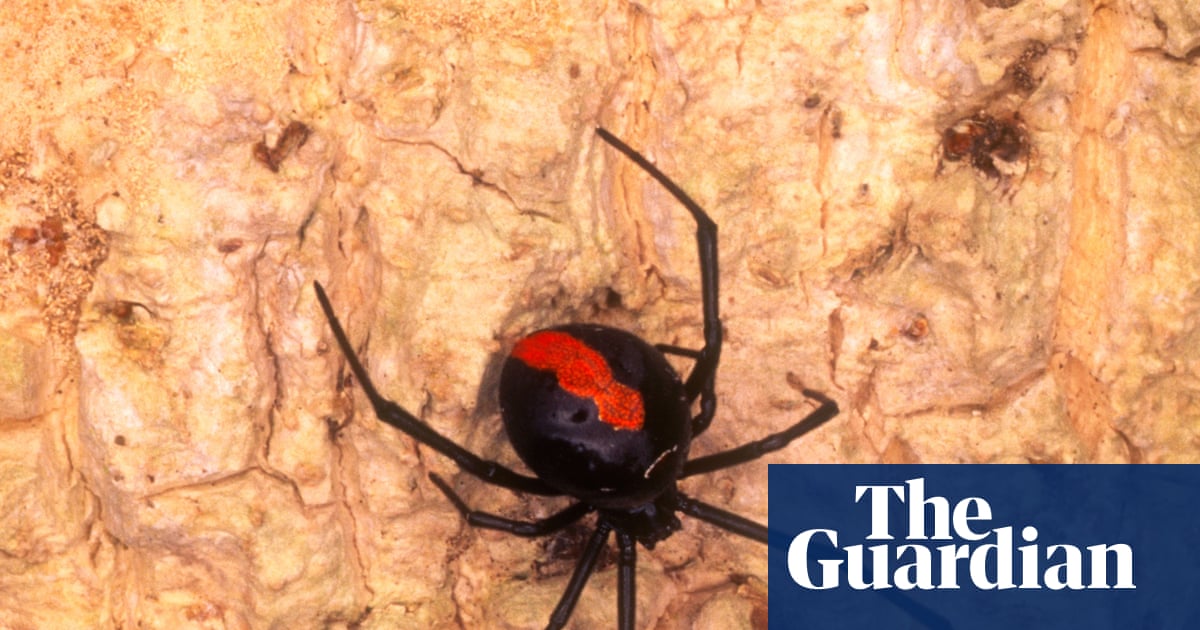
The redback spider, widely known as the Australian black widow, exhibits a mating strategy that appears counterintuitive from a survival standpoint. During copulation, the male uses his pedipalps to transfer sperm into the female’s storage organs. Simultaneously, he flips his abdomen over into the female’s mouthparts. This maneuver is not accidental; it is a calculated risk designed to prolong the mating process and ensure successful insemination, even though it frequently results in the male being eaten by his partner.
The primary evolutionary driver for this behavior appears to be reproductive competition. Female redbacks possess two separate sperm storage organs. Ideally, a male would mate twice with the same female to fill both organs, thereby siring all of her offspring. If a male dies after the first mating, another male may intervene and fertilize the second organ, splitting the paternity of the resulting brood. By somersaulting into the female’s jaws, the male increases the duration of copulation, giving himself a better chance to complete the transfer before being consumed.
To isolate the genetic basis of this trait, German researchers conducted breeding experiments involving female katipō spiders and male redbacks. The katipō is a close relative found in New Zealand that does not engage in sexual cannibalism; instead, males typically inseminate females and retreat from the web. By crossing these two species, scientists observed that nearly half of the third-generation offspring inherited the somersaulting behavior. This inheritance pattern strongly suggests that the trait is controlled by a single genetic locus on the X chromosome.
The simplicity of this genetic control is notable given the complexity of the behavior. The researchers noted that such a significant phenotypic difference, which can lead to partial reproductive isolation between species, can arise from very few genetic changes. This rapid evolution highlights how behavioral adaptations can diverge quickly in isolated populations, even among closely related organisms that share much of their genetic makeup.
The implications of these findings extend beyond basic biology into conservation concerns in New Zealand. Redback spiders have been unintentionally introduced to the country and are now widespread. Cor Vink, a spider expert at Lincoln University who provided katipō specimens for the study but was not involved in the research, expressed concern about interbreeding between the invasive redbacks and the native katipō. The katipō is an endemic protected species, and hybridization could dilute its unique genetic identity.
Vink noted that evidence of wild interbreeding already exists in New Zealand. The loss of the katipō’s distinct non-cannibalistic mating behavior through hybridization represents a significant threat to the species’ conservation status. Understanding the genetic basis of these behaviors allows scientists to better monitor and potentially combat the spread of redback genes into native populations, preserving the ecological balance of local spider communities.
While the term 'widow' suggests that female cannibalism is universal among these spiders, it is actually a misnomer for most species. Of the thirty-one known widow spider species, sacrificial behavior is typically observed only in redbacks and brown widows. Most other widow spiders follow a pattern where males mate and escape. The redback’s strategy is an outlier, illustrating how specific environmental pressures can drive extreme evolutionary adaptations in reproductive tactics.
The study underscores the delicate balance between survival and reproduction in the animal kingdom. For the male redback, death is not merely a risk but a potential component of reproductive success. By understanding the genetic roots of this behavior, scientists can better predict how invasive species might interact with native ones, offering crucial data for conservation efforts aimed at protecting vulnerable endemic populations from genetic swamping.
Sources behind this briefing
Go to the original reporting
- The Guardian US↗Male redback spiders invite cannibalism through a ‘self-sacrificial somersault’ during sex – but why?

