The short version
- Three years after the initial Hamas attacks, Gaza remains in a state of suspended conflict with no comprehensive peace agreement in place.
- Humanitarian conditions are critical due to disease outbreaks and supply restrictions, despite claims by Israeli authorities that aid is sufficient.
- Diplomatic efforts led by former President Donald Trump have stalled, leaving residents uncertain about the future of reconstruction or security.
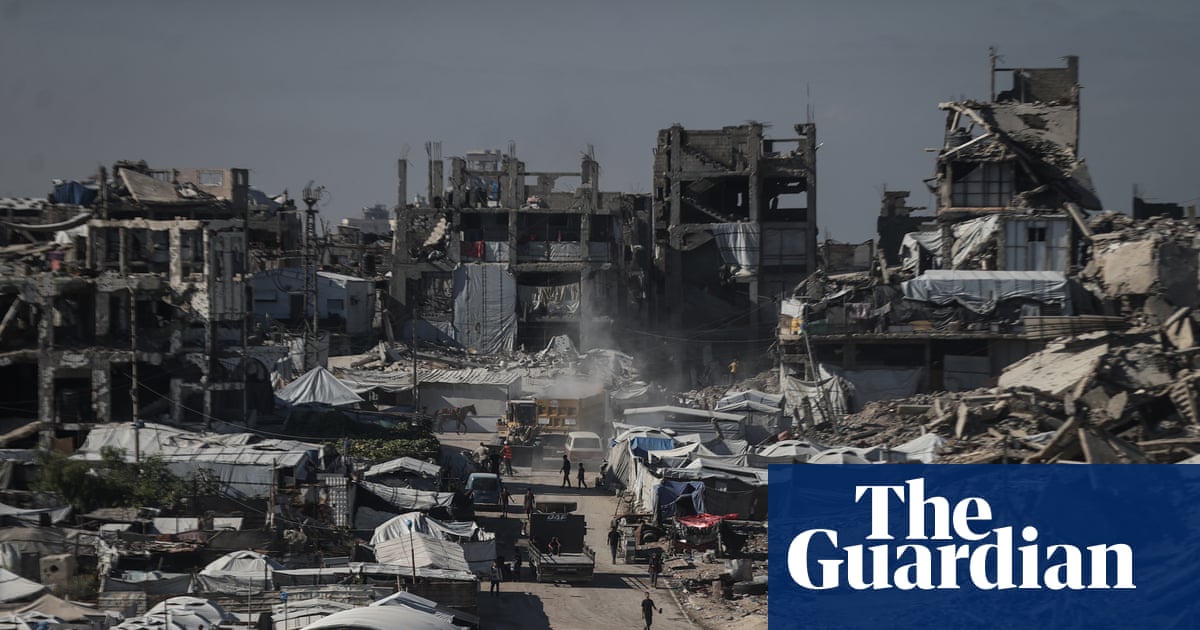
The third anniversary of the October 7, 2023 attacks by Hamas militants on southern Israel has arrived without a resolution to the subsequent Israeli military offensive. What began as a sudden escalation into a full-scale war has settled into a protracted state that residents and aid workers describe as neither war nor peace. The conflict has fundamentally altered the daily existence of Palestinians in Gaza, transforming lives beyond recognition through widespread destruction, displacement, and economic collapse.
The human toll remains staggering. Since the initial attacks that killed approximately 1,200 people in Israel, mostly civilians, the Israeli military campaign has resulted in an estimated 73,000 Palestinian deaths, the majority of whom were also civilians. Thousands more have been wounded. In the year following a ceasefire agreement, the death toll continued to rise by at least 1,400 individuals. Recent days have seen intensified violence, with health officials reporting multiple casualties in airstrikes across northern and southern Gaza, including Beit Lahiya and Khan Younis.
Life for displaced families has become a struggle against scarcity and memory. Many residents live in makeshift shelters or tents far from their original homes, which lie in ruins or are inaccessible due to military restrictions. For those who fled north to south, the journey left them with almost nothing. Personal items that once held mundane value now serve as vital anchors to a lost past. A teenager in Khan Younis clings to her schoolbag as a reminder of normalcy, while a mechanic in central Gaza treasures battered plastic chairs that evoke memories of his former garden.
The humanitarian situation is deteriorating despite some increase in aid deliveries. United Nations officials warn that infectious diseases are spreading rapidly within overcrowded displacement sites. These outbreaks are fueled by inadequate water, poor sanitation, and limited hygiene facilities. Ramiz Alakbarov, the UN humanitarian coordinator for the Occupied Palestinian Territory, highlighted these dangers during a recent address to the Security Council, noting that funding shortfalls and restrictions on critical supplies are hampering relief efforts.
Disputes persist regarding the adequacy of aid entering the territory. Israeli authorities maintain that more than 600 trucks enter Gaza daily, asserting that sufficient supplies are reaching the population. However, aid workers and local staff report that these deliveries do not meet the scale of need. Restrictions on fuel and medical equipment have slowed preparations for colder weather, exacerbating the vulnerability of displaced populations who lack proper shelter or heating.
Economic life has effectively ceased for many. Farmers who once cultivated olive groves and orchards now face the impossibility of returning to their land. The threat of death looms over any attempt to access former properties, whether residential or agricultural. This pervasive danger has led to a profound sense of exhaustion and hopelessness among survivors. The simple act of seeing fruit trees or green fields, once routine, is now met with surprise and sorrow.
Governance in Gaza remains fragmented. Hamas has reestablished authority in areas not directly controlled by the Israeli military, implementing a rudimentary administration. This governance structure provides patchy education and limited healthcare, relying heavily on deterrence through arbitrary punishment to maintain order. Meanwhile, Israeli airstrikes continue to target militants, blurring the lines between active combat and occupation.
Diplomatic prospects appear dim. Plans proposed by Donald Trump to definitively end the war have stalled significantly. Key objectives such as disarming Hamas, securing the withdrawal of Israeli troops, and initiating large-scale reconstruction have seen little progress. For residents like Saleh Kilani, a 70-year-old farmer from Beit Lahiya, the primary fear is not an immediate return to intense fighting, but the continuation of this indefinite limbo. The uncertainty of living in a zone divided by military lines and marked by sporadic violence defines the current reality for millions.
As the anniversary passes, the focus remains on the immediate survival needs of the population rather than long-term political solutions. The gap between official narratives of aid sufficiency and the lived experience of disease and deprivation continues to widen. Without a breakthrough in negotiations or a change in military strategy, Gaza is likely to remain trapped in this cycle of destruction and stagnation for the foreseeable future.
Sources behind this briefing
Go to the original reporting
- The Guardian World↗‘Neither war nor peace’: Palestinians in Gaza on existing amid disease, despair and ruins