The short version
- Armed groups killed at least 47 people and abducted over 50 others in Kenscoff, marking the largest assault on the community since January 2025.
- A gang leader threatened to execute hostages if police or international forces harm any militants during security operations.
- The violence undermines government assertions of improving stability as Haiti prepares for its first general elections in more than ten years.
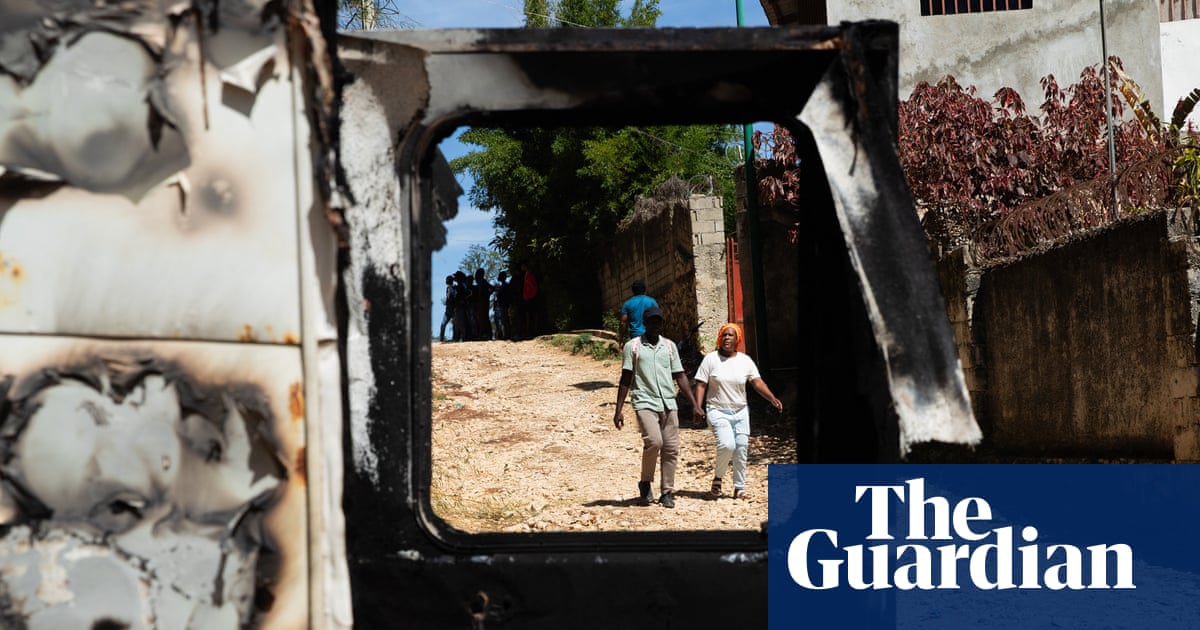
A coordinated assault by armed groups near Haiti’s capital has resulted in the deaths of at least 47 individuals and the abduction of more than 50 others, according to United Nations officials. The attack targeted Kenscoff, a community situated in the hills above Port-au-Prince that had previously been regarded as relatively secure. This event represents the most significant violence in the area since January 2025, shattering recent perceptions that security conditions in the Caribbean nation were stabilizing.
The assault involved armed men who not only killed residents but also set fire to at least 25 homes. Among the deceased were five children and two government employees, including a cousin of Kenscoff’s mayor, Jean Massillon, who served as his personal security detail. The UN integrated office in Haiti confirmed these figures, highlighting the severity of the breach in a region that had seen sporadic but less intense attacks in the months leading up to this weekend.
In a video circulated on social media, a gang leader identified himself as Izo 2, also known as Didi. He operates a franchise cell for larger criminal networks, acting on behalf of Johnson André, one of Haiti’s most powerful gang figures. The leader issued a direct threat to Vladimir Paraison, the director of Haiti’s national police, warning that any harm inflicted upon his fighters would result in the execution of all hostages currently held.
Security analysts suggest the attack serves multiple strategic purposes for criminal organizations. Romain Le Cour, head of the Haiti observatory at the Global Initiative Against Transnational Organized Crime, noted that the assault forces state and international security forces to divert limited resources to Kenscoff. This diversion inevitably leaves other areas less protected, exploiting the chronic shortage of personnel within Haiti’s security apparatus.
The timing of the violence is particularly significant as Haiti prepares to hold general elections on December 13, the first in more than a decade. Experts view the attack as a deliberate message to the government and police force, demonstrating that their claims of providing adequate protection do not align with reality. The gangs are asserting their ability to conduct large-scale operations successfully despite state presence.
Local officials and survivors have expressed frustration with the government’s security provisions prior to the attack. Some residents accused authorities of failing to provide sufficient protection, a claim that police officials have rejected. However, observers point out that if armored vehicles and police units were indeed stationed in Kenscoff before the assault, their failure to prevent the breach raises serious questions about operational effectiveness.
The broader context of Haiti’s security crisis remains dire. Armed groups currently control an estimated 70 percent of Port-au-Prince and significant portions of land in the central region and beyond. Gang violence has displaced a record 1.5 million people across the country. UN statistics released recently indicate that more than 3,050 people were killed and another 1,400 injured between January and June alone.
Mayor Massillon stated that gangs continue to roam the periphery of Kenscoff following the attack. He expressed optimism that the state will continue its efforts to eradicate criminal influence in the community, emphasizing the need for sustained work to restore peace. The incident underscores the fragile nature of security gains and the persistent threat posed by organized crime as the country approaches a critical political milestone.
International observers are closely monitoring how the government and the UN-backed gang suppression force respond to this escalation. The ability to secure Kenscoff and protect hostages without further loss of life will be a major test for Haiti’s security institutions. The outcome may influence public confidence in the state’s capacity to manage the upcoming elections amidst ongoing instability.
Sources behind this briefing
Go to the original reporting
- The Guardian US↗At least 47 killed and dozens kidnapped in gang attack near Haiti capital

