The short version
- The UN World Food Programme is cutting aid to 1.1 million people in Gaza, down from 1.6 million, due to funding drops of more than half compared to 2025 levels.
- Approximately 200,000 Palestinians face emergency-level food insecurity, one step away from famine conditions, while two-thirds of the population remains in crisis.
- Restoration of aid requires over £300 million in the next six months, but logistical barriers and destroyed infrastructure make immediate recovery difficult even with new funds.
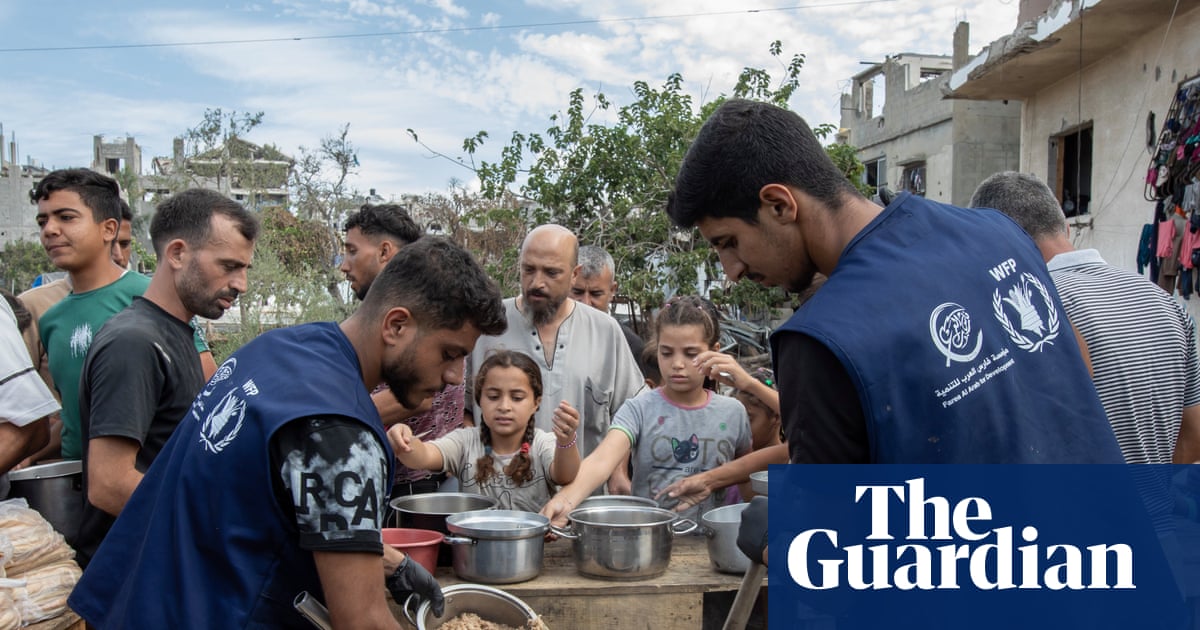
The United Nations World Food Programme has significantly reduced its humanitarian operations in Gaza, ending monthly support for more than half a million Palestinians. This contraction marks a sharp reversal from the summer months, when agency programs reached approximately three-quarters of the territory’s population. The reduction is driven by a steep decline in financial contributions, with funding falling by more than fifty percent compared to levels seen in 2025. As a result, the number of individuals receiving ration boxes, cash stipends for market purchases, or hot meals at community kitchens has dropped from roughly 1.6 million to 1.1 million per month.
Agency officials warn that these cuts threaten to undo progress made over the past year. A period of substantial aid deliveries previously helped end a famine declaration issued in the summer of 2025 and reduced the most acute levels of hunger. However, current assessments indicate that two-thirds of Gaza’s population now faces crisis-level food insecurity, classified as phase three under the Integrated Food Security Phase Classification system. This metric signals that communities are approaching famine thresholds. Additionally, approximately 200,000 people are experiencing emergency-level insecurity, a category requiring immediate intervention to prevent starvation-related deaths.
Shaun Hughes, the WFP representative and country director for Palestine, described the current situation as brutal and the recent gains as highly fragile. He emphasized that without significant investment in economic recovery, the humanitarian operation remains unsustainable. The agency estimates it needs more than £300 million over the next six months to restore and maintain critical programs. Hughes noted that residents express a strong desire for stability and self-reliance rather than continued dependence on daily food queues or handouts.
The underlying economic conditions in Gaza remain dire, complicating any short-term relief efforts. According to United Nations data, unemployment affects about eighty percent of the population, leaving most families unable to feed themselves without external assistance. Reconstruction efforts promised following a ceasefire brokered by former President Trump have not yet begun more than a year after the agreement took effect. Consequently, there are few job opportunities, and the vast majority of residents continue to rely entirely on aid for survival.
Vulnerable groups, particularly young children and mothers, face severe long-term risks. A recent survey by Unicef found that one in eight children in Gaza suffers from chronic malnutrition or stunting. After years of food shortages, these health issues may result in permanent developmental damage. The combination of limited access to nutritious food and the high cost of living exacerbates the situation for households already struggling with poverty and displacement.
Logistical challenges further hinder the agency’s ability to respond quickly to funding fluctuations. Even if additional cash were injected into the system, reversing the cuts would not be immediate. Sourcing and shipping ingredients for ration boxes can take approximately three months. Furthermore, restrictions imposed by Israeli authorities on aid shipments have made humanitarian work in Gaza particularly expensive compared to other regions. Limits on fuel, engine oil, spare parts, and complex shipping regulations increase transport times and costs.
The destruction of infrastructure also plays a critical role in the current crisis. Warehouse space is limited and costly due to mass building destruction from airstrikes. Before the conflict, Gaza was self-sufficient in fruits and vegetables, supported by sophisticated greenhouse and irrigation systems. Today, most farmland is occupied by military forces, and these agricultural assets have been destroyed. Fishing, historically a key protein source, is restricted as Israeli naval forces bar boats from coastal waters.
Residents are already feeling the impact of the reduced aid. Alaa Sarhan, a former paramedic living in a tent near the area designated by Israeli control markers, reported having to plan meals around availability rather than preference. He noted that his disability benefits provide minimal support and that he often sacrifices his own share of food to ensure his five children eat. For many like Sarhan, the combination of funding cuts and ongoing restrictions creates an environment where basic sustenance is a daily struggle.
The convergence of financial shortfalls and physical barriers presents a complex obstacle to feeding the hungry population in Gaza. While Israeli controls on shipments have been a primary driver of hunger for three years, lack of funds has emerged as a new significant hurdle. The WFP has attempted to mitigate the impact by scaling back specific programs rather than eliminating them entirely, but the reduction in cash transfers may already be affecting local supply chains and purchasing power within the private sector.
Looking ahead, humanitarian aid will remain essential until large-scale reconstruction begins. The agency stresses that long-term stability requires investment in recovery efforts to rebuild the economy and restore agricultural and fishing capabilities. Without such steps, the cycle of dependency on food handouts is likely to continue, leaving millions vulnerable to deepening hunger as winter conditions set in.
Sources behind this briefing
Go to the original reporting
- The Guardian US↗Cuts force World Food Programme to end support for half a million Palestinians in Gaza


