The short version
- Daily fuel theft value has risen by nearly half compared to pre-conflict levels, averaging approximately £194,000 per day across the UK.
- Retailers report increased hostility from customers and are adopting facial recognition technology to combat the surge in unpaid transactions.
- Government officials state there is no evidence of systematic price gouging, attributing cost increases to global supply disruptions and tax policies.
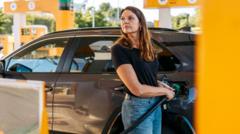
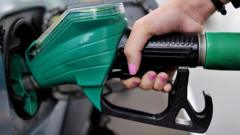
Fuel theft at British petrol stations has escalated significantly since the outbreak of conflict involving Iran, with industry analysis indicating that drivers are stealing nearly £200,000 worth of fuel daily on average. Data from Forecourt Eye reveals that incidents of unpaid fuel have increased by twenty percent over a five-month period following the start of hostilities in late February. The total value of stolen fuel has jumped forty-eight percent compared to the same timeframe before the war began, reaching an estimated daily loss of £194,000 across the nation’s forecourts.
The surge in theft coincides with severe disruptions to oil supplies in the Middle East, which drove up wholesale prices and subsequently raised costs for consumers at the pump. While prices peaked in April and dipped slightly after a tentative peace framework was agreed upon in June, they have climbed again following the collapse of those negotiations. Petrol prices recently hit their highest level since 2022, creating financial pressure on both retailers and drivers. The volume of stolen fuel has risen by twenty-four percent, with daily losses increasing from an estimated 87,000 liters to nearly 109,000 liters.
Beyond the financial loss, forecourt operators are facing heightened tensions with customers. Reports indicate a rise in abuse, intimidation, and violence directed at staff by frustrated motorists. Shailesh Parekh, who owns six stations under the Midlands Motor Fuels banner, noted that thefts occur almost daily, with thieves using both vehicle tanks and extra containers. Despite installing extensive surveillance systems, he expressed resignation regarding the lack of deterrents and called for greater police intervention to address the issue.
In response to the growing crisis, Forecourt Eye plans to partner with facial recognition firm Facewatch to provide crime reporting technology to over 2,000 retailers starting in the autumn. Meanwhile, government officials have moved to clarify the situation regarding pricing. Chancellor John Healey stated that while he is monitoring for any signs of exploitation, there is no significant evidence of widespread price gouging by retailers. The Competition and Markets Authority echoed this sentiment, though it noted ongoing investigations into margin increases for specific supermarket and non-supermarket chains during the initial months of the conflict.
Retail industry groups have pushed back against suggestions that they are profiting excessively from the situation. The British Retail Consortium argued that competition keeps prices low and attributed rising costs to higher National Insurance contributions, packaging taxes, and outdated business rates rather than retailer markup. Superintendent Lisa Maslen of the National Business Crime Centre acknowledged the strain on policing resources but affirmed that forces are taking a proactive approach to identify offenders and disrupt repeat behavior.
Sources behind this briefing
Go to the original reporting
- BBC Business↗Almost £200,000 of fuel stolen from UK forecourts every day since Iran war began