The short version
- Paris authorities have launched an investigation into racist harassment targeting Teddy Riner, one of France's most decorated athletes.
- The abuse erupted after Riner publicly expressed anxiety regarding the growing political strength of the National Rally party.
- This incident mirrors previous controversies involving other French sports figures who have criticized far-right candidates ahead of upcoming elections.
Paris public prosecutors have initiated a formal investigation into a campaign of racist abuse and online harassment directed at Teddy Riner, widely regarded as one of France’s most successful judo competitors. The legal action follows a surge in hostile messages sent to the athlete after he appeared on a television sports program this month to discuss his concerns about the rising prominence of far-right political movements in the country.
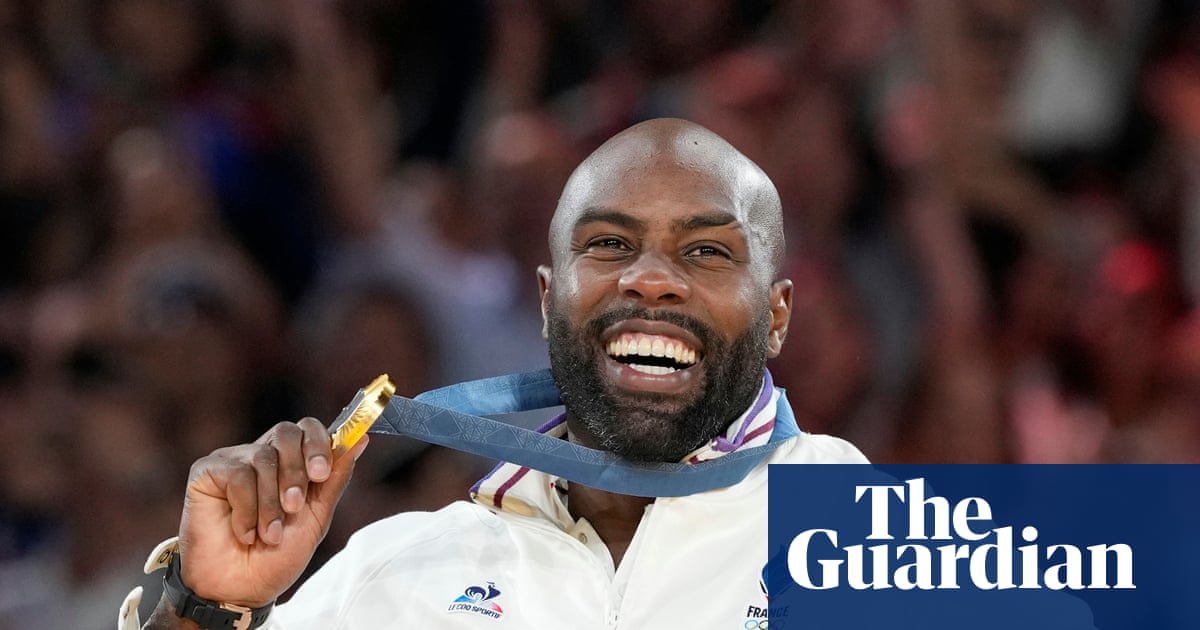
Riner, who is thirty-seven years old and was born in Guadeloupe before growing up in Paris, has long been a celebrated figure in French sports. He gained international acclaim during the Paris 2024 Olympics, where his skill in throwing and pinning opponents solidified his status as a national star. He is currently viewed as a strong contender for a gold medal at the upcoming Los Angeles Games in 2028.
During his recent television interview, Riner stated that he felt anxiety regarding the political shift toward the far right. He emphasized that while debate and contradiction are legitimate parts of democratic discourse, hatred and racism are not. The prosecutor’s office confirmed that numerous racist insults and hate messages were subsequently directed at him online, prompting the official inquiry.
The athlete also spoke to France 2, a state broadcaster, where he expressed his intention to continue speaking out on social issues. He recalled growing up in a France where communities facing difficulties were close-knit and united. He contrasted that past with current attempts to divide the nation and create instability, questioning what kind of society would be left for future generations.
Riner described the France he wishes to preserve as one where everyone knows how to live together. He noted that he shares concerns held by many French citizens regarding the current national situation. These issues include rising anger among the population, economic struggles for those trying to make ends meet, and a declining respect for public institutions.
He further highlighted specific societal challenges, pointing to the fragility of the French education system and a lack of perspective for young people. Despite these criticisms, Riner affirmed his deep love for France, stating that he is defending its history, talent, heritage, republican values, and diversity. He argued that being a high-level sportsperson does not prevent one from keeping their feet on the ground or paying attention to the country’s condition.
This case echoes a similar controversy involving Kylian Mbappé, the captain of the French national football team and a player for Real Madrid. In May, Mbappé faced criticism from National Rally figures after telling Vanity Fair that he understood the negative consequences his country could face if certain political groups came to power.
Marine Le Pen, a politician with the anti-immigration National Rally party, responded to Mbappé’s comments by suggesting that football fans are capable of making their own voting decisions without influence from athletes. She drew a parallel between Mbappé’s political views and his career move from Paris Saint-Germain to Real Madrid, implying his strategy had not worked out as planned.
Julien Odoul, an MP and spokesperson for the National Rally, argued that Mbappé, as team captain, must represent all of France, including millions of voters who support his party. Odoul contended that athletes should not become political activists. The National Rally is currently polling highly ahead of next spring’s presidential election, making such public statements from prominent figures increasingly contentious.
The investigation into Riner underscores the heightened tension surrounding political expression by public figures in France. As the presidential election approaches, the line between personal opinion and political activism remains a flashpoint, particularly for athletes with significant national followings who choose to comment on the direction of the country.
Sources behind this briefing
Go to the original reporting
- The Guardian World↗Racist abuse of French judo star Teddy Riner investigated after he spoke about rise of far right

