The short version
- Video evidence shows French police using force to prevent boat launches, sparking concerns from aid groups about migrant safety.
- Official statistics indicate a sharp decline in successful Channel crossings since the implementation of a new security pact.
- Political debate continues regarding sovereignty and humanitarian obligations as smuggling tactics evolve to include larger vessel loads.
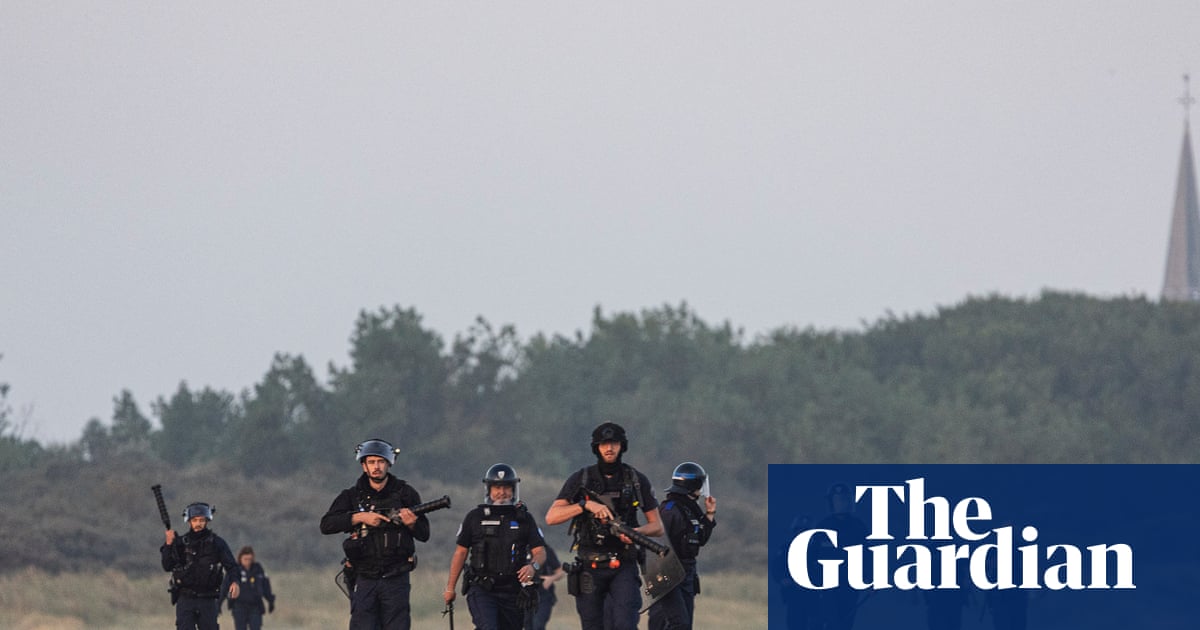
Recent video footage has surfaced depicting intense confrontations between French law enforcement officers and individuals attempting to depart from beaches in northern France. The recordings show men wearing life jackets throwing objects at police personnel who were trying to intercept a dinghy bound for the United Kingdom. In response, officers deployed pepper spray and subsequently slashed the inflatable vessel with a knife to prevent its launch. These images have emerged as French authorities highlight the effectiveness of their intensified coastal operations.
The French government reports that these heightened security measures have prevented 185 small boat crossing events over the past three months. This period follows the signing of a substantial financial agreement between France and the United Kingdom, valued at approximately £660 million. Under this arrangement, additional police resources have been deployed to French beaches, including a specialized fifty-person riot squad. The definition of a prevented event includes stopping launches, seizing equipment such as boats and engines, and arresting individuals involved in smuggling operations.
Official data suggests a significant reduction in migration flows across the English Channel. A total of 15,897 migrants have crossed so far this year, representing a 43 percent decrease compared to the same period last year. This figure also marks an 18 percent drop from the corresponding timeframe in 2024. British ministers emphasize that the number of successful crossings is falling due to joint efforts aimed at disrupting criminal networks before they can operate.
Despite these statistical improvements, humanitarian organizations have raised serious concerns regarding the safety of asylum seekers. Charities argue that increased police pressure on beaches forces migrants into more dangerous situations. One aid group noted evidence of CS gas canisters being fired near Dunkirk during recent operations. They contend that aggressive tactics put lives at risk by compelling individuals to attempt crossings under duress or in less stable conditions.
Smuggling networks appear to be adapting their strategies in response to stricter enforcement. Reports indicate that gangs are now attempting to transport larger groups of people in single vessels to maximize efficiency despite the risks. This month, a record number of 230 individuals made the journey in one boat. Authorities have also managed to stop twelve taxi boats from moving further up the coast to pick up additional passengers since March.
Political reactions to the situation remain divided along national lines. Reform UK has proposed utilizing the Royal Navy to intercept migrants and transport them back to France or Belgium, framing the initiative as a humanitarian measure. However, French officials have firmly rejected this idea, stating it would violate French sovereignty as well as maritime and international law. The disagreement underscores the complex diplomatic challenges inherent in managing cross-border migration.
British Home Secretary Shabana Mahmood stated that the new deal is having a tangible impact on stopping crossings and dismantling smuggling operations. She emphasized that over 47,000 small boat crossing attempts have been thwarted since the election through joint work with French counterparts. Border Security Command officials echoed this sentiment, praising the bold actions taken by French officers in difficult conditions to save lives at sea.
The ongoing tension highlights the delicate balance between border control and humanitarian protection. While governments celebrate reduced crossing numbers as a success of policy cooperation, aid groups warn that the methods used to achieve these results may endanger vulnerable populations. As smuggling tactics evolve and political debates continue, the situation on the French coast remains volatile and closely watched by international observers.
Sources behind this briefing
Go to the original reporting
- The Guardian World↗Footage shows French police clashing with people on beach as they try to leave in small boat