The short version
- Three officers stand trial for intentional violence and forgery after a recorded beating of a Black music producer in Paris.
- The incident underscores broader debates over systemic racism within French law enforcement and the rarity of criminal convictions for police misconduct.
- Video footage refuted the officers' claim that the victim was aggressive, revealing a severe assault that caused lasting physical injury.
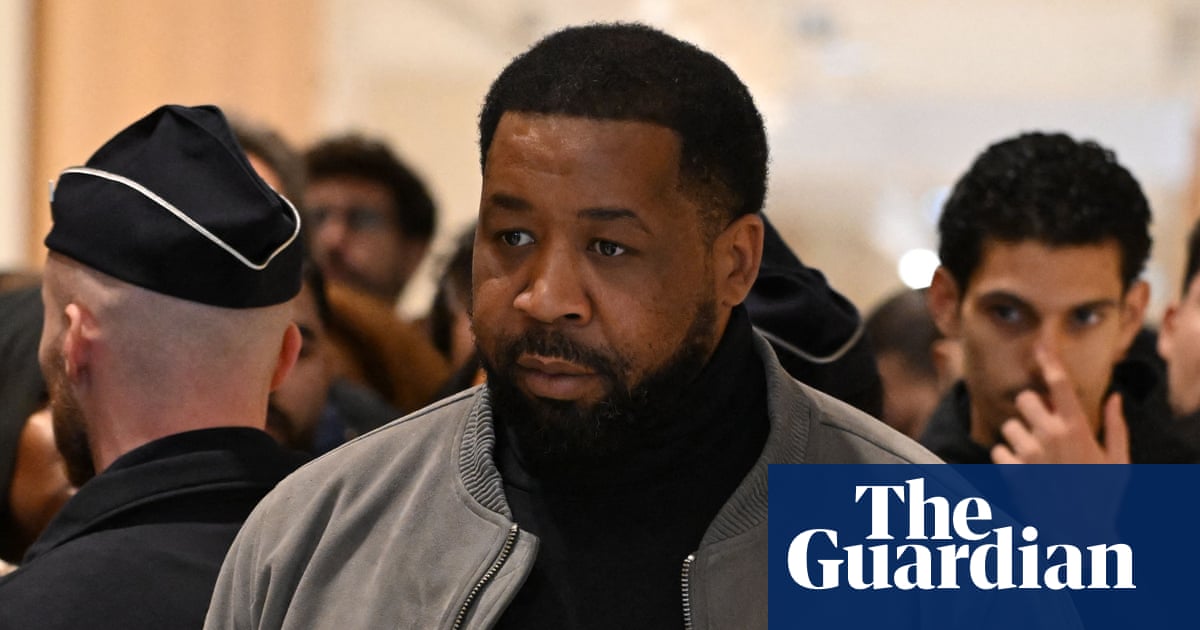
Three French police officers are set to stand trial this week regarding the violent assault of Michel Zecler, a Black music producer, outside his Paris studio in November 2020. The case has emerged as a rare instance where allegations of police brutality have progressed to a courtroom setting, drawing significant attention amid ongoing national debates about law enforcement conduct. The officers face charges of intentional violence committed in a group and forgery for allegedly falsifying an official report to conceal their actions. If convicted, they could face up to fifteen years in prison.
The confrontation began when police stopped Zecler, accusing him of failing to wear a mandatory face mask during the pandemic and suspecting him of cannabis use. According to security camera footage released by media outlets, the officers pushed Zecler into his office entrance and subjected him to approximately thirty punches and truncheon blows over a five-minute period. The investigation documented severe injuries, including craniofacial trauma, wounds to the lip and scalp, and a complete rupture of his biceps tendon. These injuries required surgical intervention, leaving Zecler with a titanium anchor in his left arm and unable to work for forty-five days.
The prosecution’s case relies heavily on video evidence that directly contradicts the narrative presented in the officers’ arrest report. In their initial documentation, the officers claimed that Zecler had attacked them and attempted to seize a truncheon, a version of events that the footage refutes. The discrepancy between the recorded reality and the official paperwork forms the basis for the forgery charges. Zecler has stated that without the camera recording, the officers’ written account might have been sufficient to have him imprisoned rather than held accountable.
Beyond the physical violence, allegations of racial animus have complicated the proceedings. France’s human rights ombudswoman reported that witnesses heard police use racist insults during the encounter. Zecler has confirmed that he was subjected to a racial slur and intends to testify about this aspect of the incident at the hearing. However, the officers have denied using such language, and allegations of racism were not included in the formal indictment. This exclusion highlights the legal challenges in prosecuting bias-motivated conduct within the current judicial framework.
The trial occurs against a backdrop of heightened scrutiny regarding police behavior in France. Recent student-led protests have brought issues of excessive force to the forefront, including an incident where a fourteen-year-old lost most of his teeth after being struck by a projectile fired at close range. Additionally, another officer is scheduled to stand trial for the fatal shooting of seventeen-year-old Nahel Merzouk in June 2023, a case that also sparked nationwide demonstrations after video evidence challenged the police account. These events have intensified public demand for transparency and accountability.
Critics argue that the Zecler case exemplifies systemic issues within French law enforcement. Rights groups and campaigners contend that ethnic minorities face disproportionately harsh treatment compared to white citizens. A report from last year by France’s human rights ombudswoman supported these concerns, finding that young men perceived as Arab, Black, or from North Africa are four times more likely to be stopped by police than the general population. The same survey indicated that these individuals are twelve times more likely to be subjected to severe measures, such as frisking, during police checks.
Despite these statistics and public outrage, criminal convictions for police brutality remain uncommon in France. Most allegations of misconduct are handled through internal administrative procedures rather than the judicial system. A notable exception occurred in 2024, when a judge issued suspended jail sentences to three officers who caused irreversible rectal injuries to Theo Luhaka, a Black man, during a stop-and-search operation in 2017. The rarity of such outcomes underscores the difficulty victims face in seeking justice through the courts.
Zecler continues to suffer from the psychological and physical aftermath of the attack, reporting ongoing nightmares and chronic pain. He has expressed hope that the trial will establish accountability for the officers involved. The defense lawyers for Aurelien B, Pierre P, and Philippe T have declined to comment prior to the proceedings. As the trial begins, it serves as a critical test of whether the French justice system can address serious allegations of police violence when video evidence clearly contradicts official narratives.
The outcome of this case may influence future approaches to policing and accountability in France. With public trust in law enforcement strained by recent incidents, the verdict could set a precedent for how similar cases are handled. Observers will be watching closely to see if the court prioritizes the documented evidence of excessive force or adheres to traditional defenses often employed by officers in such trials. The proceedings represent a pivotal moment in the ongoing struggle for equitable treatment under the law.
While the trial focuses on the specific actions of three individuals, it reflects broader societal tensions regarding race and authority. The intersection of pandemic-era enforcement measures and historical patterns of racial profiling has created a volatile environment for minority communities. As the legal process unfolds, the case remains a focal point for activists demanding structural reform and greater transparency in police operations across the country.
Sources behind this briefing
Go to the original reporting
- The Guardian US↗French police officers face trial over beating of black man not wearing mask during Covid


