The short version
- Staffing deficits frequently force juvenile detainees to remain in their cells for up to twenty-three hours daily, limiting access to education and recreation.
- The European Committee for the Prevention of Torture has criticized the system for failing to provide sufficient activities, leading to de facto isolation.
- Detainees report severe psychological strain, including loss of privacy, sensory deprivation, and heightened anxiety due to constant surveillance.
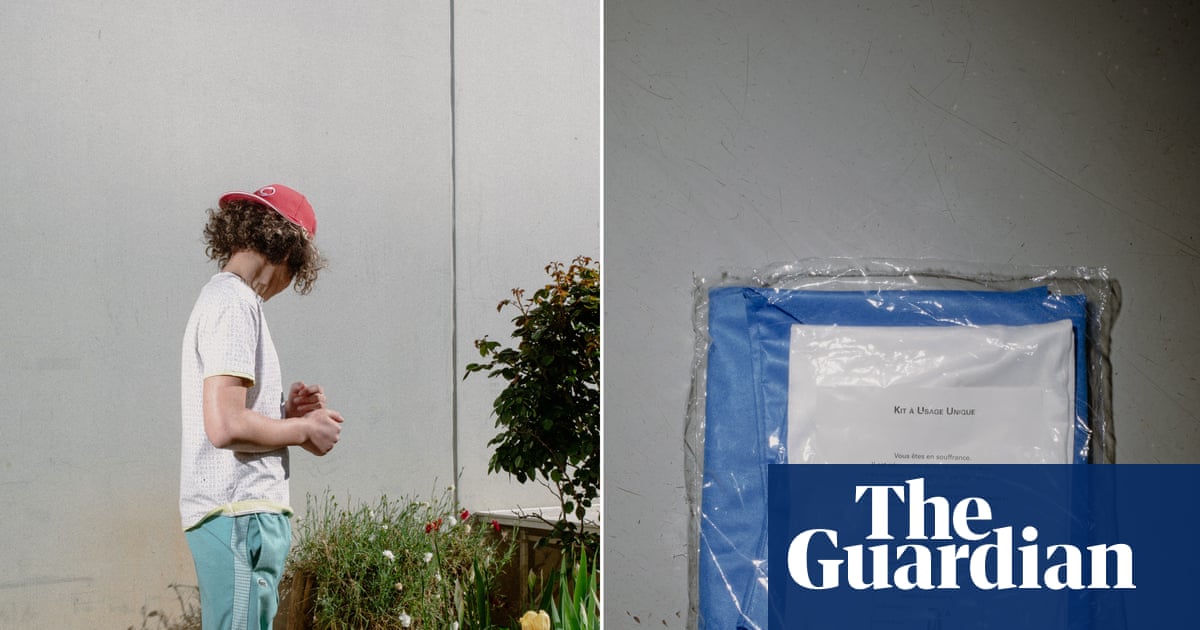
A recent investigative project by photographer Alexandre Bagdassarian offers a detailed look into the daily realities of minors held in French juvenile detention centers. Over an eight-month period, the documentation captured the stark conditions within facilities that have drawn criticism for excessive cell confinement and insufficient programming. The visual record highlights spaces that are simultaneously impersonal and intensely private, characterized by minimal furnishings such as rudimentary beds, plank desks, and barred windows overlooking shared yards.
The core issue identified in these facilities is the disproportionate amount of time young people spend locked inside their cells. Due to chronic staff shortages, some detainees remain confined for up to twenty-three hours a day. This extreme isolation limits their access to educational classes and sports activities, a practice that has been formally criticized by Europe’s Committee for the Prevention of Torture. The committee notes that the lack of engagement contradicts legal mandates intended to keep minors occupied and rehabilitated rather than merely detained.
The physical layout of these prisons exacerbates feelings of exposure and boredom. Cell windows directly face the prison yard, which serves as a mandatory one-hour outdoor stop for all inmates. This design ensures that nearly every movement is visible to both guards and fellow prisoners. Detainees describe an environment where privacy is virtually nonexistent, with constant noise from the yard penetrating their cells. The artificial alteration of time perception is a common complaint, with weekends feeling significantly longer due to the absence of structured activities.
Psychological impacts are evident in the accounts of those detained. One young person described feeling intellectually diminished, noting that staring at the same walls caused vision to blur and memory to fade. To cope with the monotony, some detainees turn to drawing, while others report a descent into apathy or despair. The environment fosters a sense of stagnation, where boredom becomes a primary adversary. Some minors prefer returning to their cells to avoid potential conflicts with peers from other units, further isolating themselves within an already restrictive setting.
Gender-specific challenges also emerge within the detention system. In France, only three of the six juvenile centers are authorized to house girls, who are kept in separate units but participate in shared activities. Female detainees express significant anxiety regarding privacy and safety. One girl described sleeping fully clothed to protect herself from potential observation through cell peepholes. The fear of being watched alters basic behaviors, such as sleeping positions, and creates a culture of emotional suppression where sadness is hidden to avoid vulnerability or gossip among peers.
Disciplinary measures within these facilities involve confinement in isolated units that lack privacy and natural light. These cells are bare, with locked windows that cannot be opened, and detainees are prohibited from possessing pens or personal items. Graffiti made with waste materials on the walls underscores the desperation and lack of resources. Minors can be held in these disciplinary units for up to five days, or seven days if violence is involved. Although regulations require activities during confinement, this is not always enforced, resulting in situations that amount to solitary confinement.
The experience of disciplinary isolation is described as psychologically devastating. Detainees report talking to walls and losing their grip on reality, with some expressing suicidal ideation due to the horror of the conditions. One individual recounted being sent to confinement for attempting to cut through cell bars with a saw, highlighting the lengths to which some go to escape or communicate. The disciplinary unit is viewed not as a corrective measure but as a place where normalcy is impossible to maintain.
Beyond the immediate physical constraints, detainees grapple with complex personal issues that contribute to their distress. Conversations reveal concerns about parental addiction, fear of upcoming court hearings, and struggles with substance abuse. One boy expressed a longing for nature, wishing to photograph birds and sleep outdoors, contrasting sharply with his current reality. These narratives illustrate how the detention environment intersects with broader social and familial challenges, compounding the trauma experienced by young offenders.
The findings from this investigation underscore systemic failures in the French juvenile justice system. While laws mandate engagement and rehabilitation, practical implementation often falls short due to resource constraints and staffing issues. The resulting conditions raise serious questions about the effectiveness of current detention practices in protecting the well-being of minors. As debates continue over reform, the documented experiences of these young people serve as a critical reference point for policymakers aiming to balance security with humane treatment.
Future steps may involve addressing staff shortages and improving access to educational and recreational programs. Ensuring that disciplinary measures do not amount to de facto isolation is also crucial. The photographic evidence provides a compelling case for reviewing facility designs and operational protocols to better support the psychological needs of detained youth. Without significant changes, the cycle of distress and disengagement is likely to persist, undermining the rehabilitative goals of the justice system.
Sources behind this briefing
Go to the original reporting
- The Guardian US↗‘I sleep with all my clothes on to protect my privacy’: a glimpse into life inside a child prison in France

