The short version
- High schools are rushing to enforce a new mobile phone prohibition despite union warnings about insufficient preparation time.
- The measure follows the constitutional rejection of a broader social media ban for minors under fifteen, which is currently being rewritten.
- Schools face practical challenges regarding student reliance on digital tools for schedules and access, as well as security concerns.
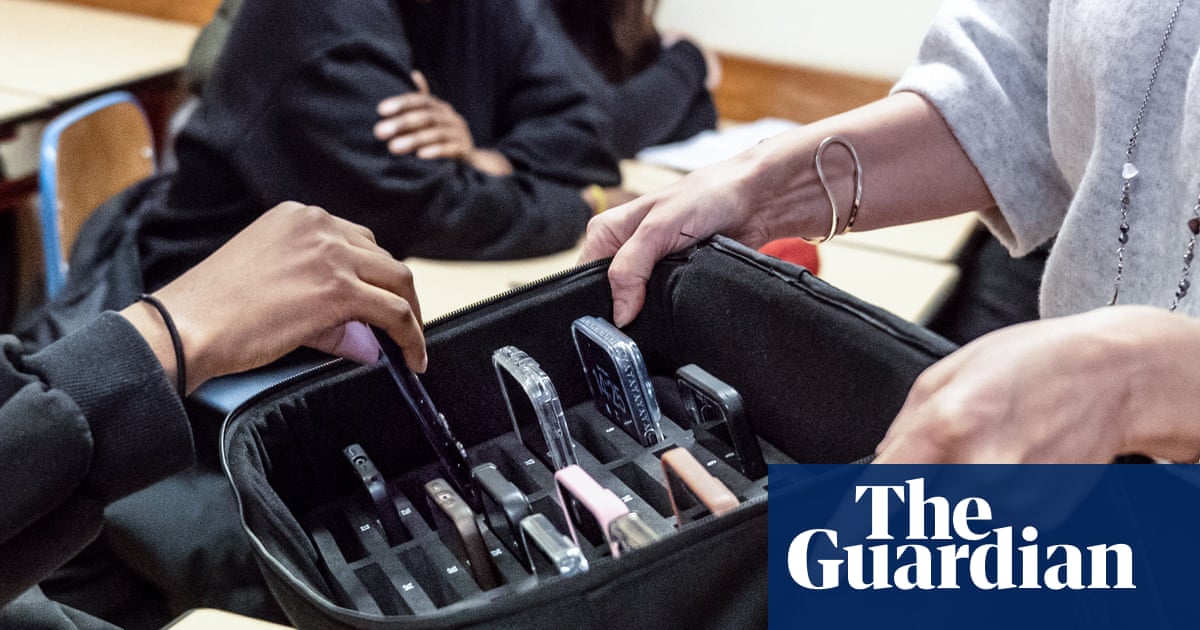
French secondary schools are moving quickly to enforce a prohibition on mobile phone usage this week, driven by President Emmanuel Macron’s broader initiative to reduce screen time among youth. The directive targets lycées, institutions serving students aged fifteen to eighteen, and is scheduled to take effect in September. This move represents the latest phase in a government strategy that has already restricted device use in primary and middle schools, known as collèges, which cater to children between eleven and fifteen years old.
Education unions have expressed significant concern regarding the feasibility of immediate implementation. Representatives argue that the timeline is too compressed for schools to properly adjust their internal regulations. The process requires formal consultation with staff and students, followed by a vote, procedures that cannot be completed overnight. Union leaders emphasize that treating high schoolers as pre-adults necessitates a more deliberate approach than the current rushed schedule allows.
A major logistical obstacle involves the daily operational reliance on smartphones within many institutions. Students frequently use mobile applications to access essential information such as class timetables, room changes, and homework assignments. In some cases, phones serve as digital badges for entering cafeterias or borrowing library materials. Removing these devices without providing alternative systems creates immediate friction in the school day, complicating the transition to a phone-free environment.
The demographic composition of high schools further complicates enforcement. Many lycées host older students, including those aged twenty who are enrolled in higher education courses or apprenticeships. These individuals often require mobile connectivity for professional responsibilities. Determining where exactly the ban applies—whether across all corridors and common areas or with specific exceptions—poses a difficult decision for administrators trying to balance policy compliance with practical necessity.
Security implications also loom large as schools consider enforcement strategies. There is concern that prohibiting phone use on campus may drive teenagers to leave school grounds to access their devices on nearby streets. This behavior could introduce new risks related to road safety and student supervision. Administrators must weigh the benefits of reduced screen time against the potential dangers of unsupervised movement outside secure school environments.
The push for stricter digital controls follows a recent legal setback regarding a separate proposal to ban social media access for minors under fifteen. France’s constitutional council struck down the initial version of that law, citing vague definitions of social media platforms. The ruling warned that the broad scope could inadvertently restrict freedom of expression by banning sites used for commentary or communication that do not fit traditional social media categories.
Privacy concerns also contributed to the rejection of the under-fifteen ban. The constitutional council raised objections to the age-verification systems required to enforce such a restriction, noting potential violations of user privacy rights. Legal experts had anticipated these challenges, with professors noting the difficulty of balancing European regulations with French constitutional protections. The government is now rewriting the legislation in an attempt to address these legal deficiencies before Macron leaves office in May.
Despite the setback, the executive branch remains committed to limiting digital exposure for younger children. Officials view the social media restriction as a key legacy item and are working to refine the text to withstand constitutional scrutiny. The focus has temporarily shifted to high school phone bans, but the underlying goal of protecting child development from excessive screen time remains central to the administration’s policy agenda.
As September approaches, schools must navigate these competing pressures. They are tasked with enforcing a new rule while managing the logistical realities of modern education and addressing valid concerns from unions and legal experts. The outcome will depend on how effectively institutions can adapt their internal processes without compromising student safety or educational continuity.
Sources behind this briefing
Go to the original reporting
- The Guardian World↗French high schools rush to put Macron’s phone ban into force