The short version
- Two stolen Renoir paintings were recovered after DNA found on an abandoned cover matched a suspect under surveillance for drug trafficking.
- Four men face preliminary charges, with two imprisoned pending investigation and two released under judicial supervision after acknowledging involvement in hiding the art.
- The case highlights broader concerns about organized crime targeting French cultural heritage sites, prompting calls for improved security measures.
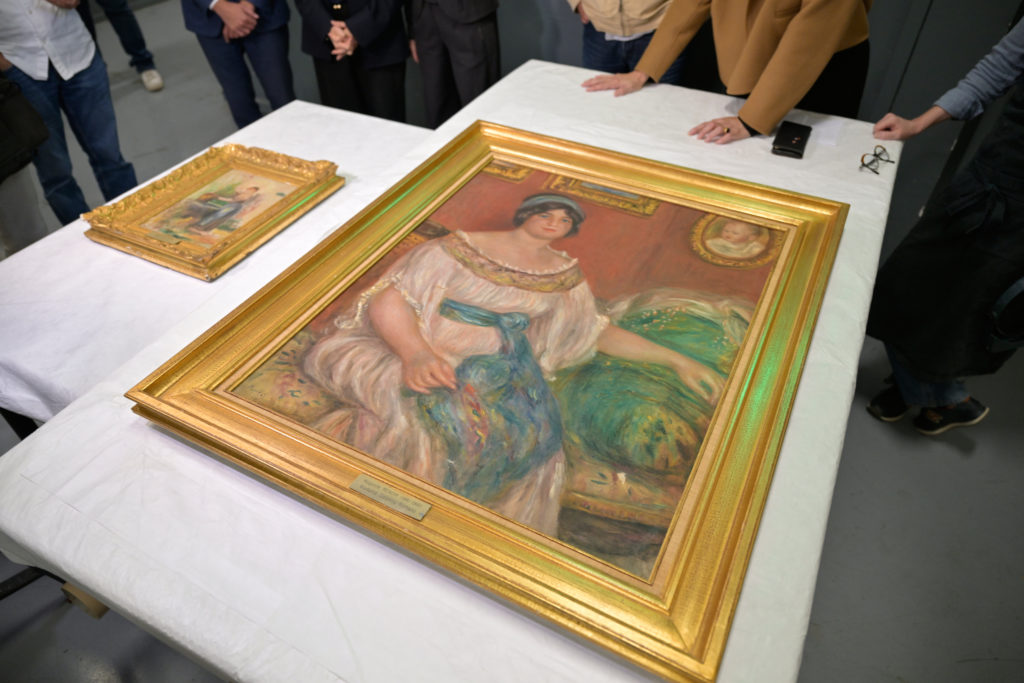
French prosecutors have announced the recovery of two stolen paintings by Pierre-Auguste Renoir, a breakthrough achieved through the combination of DNA analysis and vehicle tracking technology. The investigation centers on a theft that occurred on September 8 at the Renoir Museum in Cagnes-sur-Mer, a coastal town on the French Riviera. Prosecutors stated that biological evidence left on a protective sleeve used to cover one of the artworks provided the critical link needed to identify a primary suspect.
The stolen works include 'Portrait of Madame Colonna Romano' and 'Young Woman at the Well.' Authorities estimated the combined value of these pieces at approximately 4.2 million euros, or roughly $4.7 million. While both paintings were recovered, they sustained minor damage during the incident. The portrait suffered a tear, and the frame of the other piece incurred slight harm. These artifacts are significant cultural assets housed in the final residence of the Impressionist painter, who lived there until his death in 1919.
The theft itself involved a coordinated breach of the museum’s perimeter. Intruders used an electric saw to cut through a fence and entered the building via the ground floor. Inside, they attempted to remove four paintings by cutting the clips securing their frames. An alarm triggered during the break-in led to a rapid police response, with officers arriving on the scene within four minutes. Prosecutors suggested this swift intervention caused the perpetrators to panic, resulting in an incomplete getaway.
In their haste to flee, the thieves abandoned two of the paintings inside protective sleeves. It was DNA found on one of these discarded covers that allowed investigators to identify a 29-year-old suspect who was already under police scrutiny for unrelated drug trafficking activities. This individual had been subject to vehicle tracking as part of the separate investigation. The data revealed his movements immediately following the museum break-in, placing him at the scene and linking him directly to the crime.
Surveillance records indicated that after the theft, the 29-year-old suspect traveled with a 41-year-old companion to the residence of a third man. This individual admitted to receiving the stolen paintings and concealing them behind a wall constructed beneath a staircase at his home. Investigators successfully located and retrieved the artworks from this hiding spot. The third suspect was charged with concealment of stolen property but was released under judicial supervision, barred from leaving France.
The investigation also uncovered evidence suggesting preparations for another art heist were underway. Police surveillance showed the primary suspect visiting the Maeght Foundation in Saint-Paul-de-Vence on October 3. This site houses a substantial collection of modern art. Following this visit, the suspect met with a fourth man who had prior convictions related to art theft and forgery cases dating back to 2001 and 2003. This fourth individual acknowledged seeing photographs of the stolen Renoirs but claimed he did not immediately recognize them.
All four men have been given preliminary charges. The two suspects believed to have executed the museum break-in face accusations of organized theft and criminal association. They have been remanded in custody pending further investigation and have denied any wrongdoing. The other two suspects, implicated in handling and concealing the art, were charged with concealment. Two additional individuals who were initially detained were released without charge.
This case has reignited discussions regarding security vulnerabilities at French cultural institutions. The theft evoked memories of a major jewel heist at the Louvre Museum in Paris the previous year. Officials noted that organized criminal groups frequently target museums, castles, places of worship, and private galleries for valuable heritage items. Statistics indicate that French museums recorded 23 such cases in 2025 and approximately ten incidents so far this year, underscoring the persistent threat to national cultural assets.
Christian Sainte, the national director of judicial police, emphasized the recurring nature of these crimes. He stated that the country is repeatedly targeted by organized groups seeking valuable objects from its cultural heritage. The successful recovery of the Renoirs demonstrates the effectiveness of modern investigative techniques, including digital tracking and forensic analysis, in combating art crime. However, officials continue to call for enhanced funding and security protocols to protect remaining collections.
The Renoir Museum remains a prominent attraction in Cagnes-sur-Mer, situated between Cannes and Nice. The recovery of these specific works is seen as a significant victory for law enforcement, not only for the financial value of the art but also for its historical importance. As the investigation continues, authorities remain vigilant against potential future attempts by organized crime syndicates to exploit security gaps at other cultural sites across France.
Sources behind this briefing
Go to the original reporting
- PBS NewsHour↗How DNA and vehicle-tracking helped French investigators recover stolen Renoirs