The short version
- French authorities have retained the bodies of two men who died in April while attempting to cross the English Channel, prompting a family protest in Dunkirk.
- The mother of one victim had her application to join relatives in the UK under a humanitarian scheme rejected due to documentation issues.
- At least sixteen people have died trying to reach Britain from France this year, with many victims remaining unidentified and unclaimed.
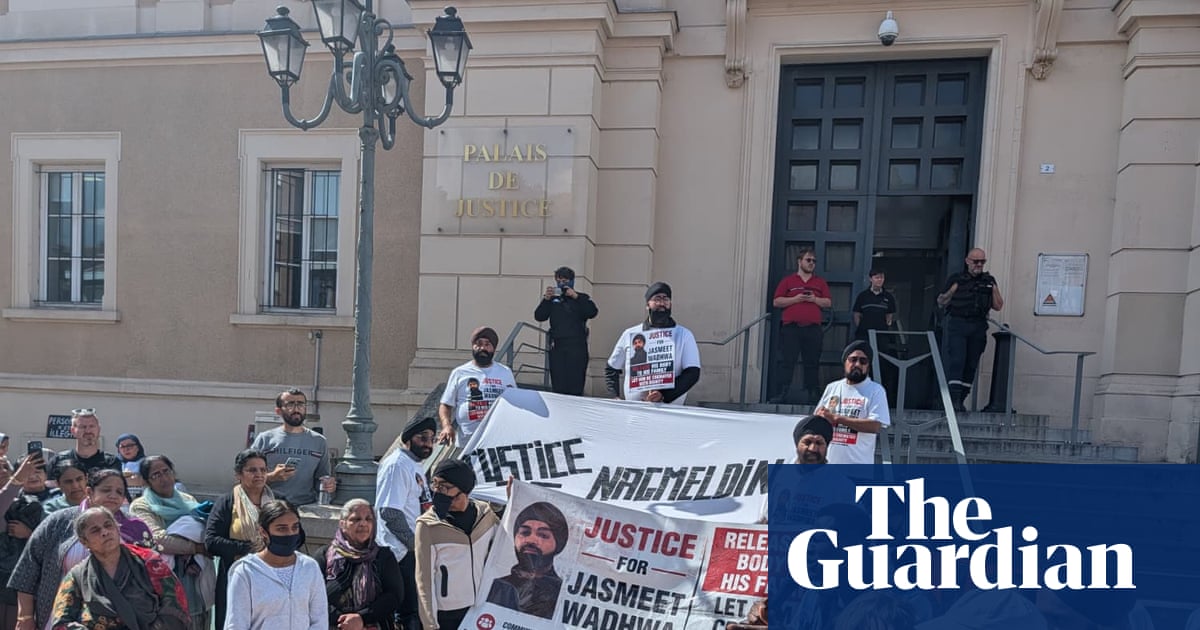
A British family is engaging in a public dispute with French officials over the continued retention of a relative’s body five months after his death. Jasmeet Wadhwa, a thirty-two-year-old man who had fled persecution by the Taliban in Afghanistan, died in April while attempting to travel from northern France to the United Kingdom on an inflatable dinghy. His mother, Harbans Kaur Wadhwa, survived the crossing but remains separated from her son’s remains, which French authorities have held since the incident occurred.
The delay has prompted relatives to stage a demonstration outside the courthouse in Dunkirk. Ivnit Singh Wadwa, Jasmeet’s cousin, traveled from west London to join the protest, expressing frustration with the judicial process. The family argues that they should not be forced to fight for the right to mourn and lay their loved one to rest. Such public demonstrations by families of Channel crossing victims are uncommon, as many individuals who perish during these journeys are never publicly identified or claimed by next of kin.
Jasmeet Wadhwa and his mother had endured a grueling two-month journey under the control of people smugglers before arriving in northern France in mid-March. They had left Afghanistan in January of this year to escape Taliban persecution. The dinghy they boarded on April 1 also carried Nagmeldin Adam, a thirty-three-year-old man from Sudan, who died alongside Wadhwa. Eight other passengers were rescued during the incident, including Harbans Kaur Wadhwa.
Nagmeldin Adam’s path to France involved significant hardship, including extended detention in Libya and multiple failed attempts to cross the Mediterranean Sea into Europe. He finally reached French territory in December 2025. Despite the shared tragedy of losing two men on the same vessel, French authorities have not released either body. Neither the French interior ministry nor the police unit responsible for handling the remains responded to inquiries regarding the reasons for the prolonged delay.
The broader context of Channel crossings remains dire. At least sixteen people have died attempting to reach the UK from France so far this year. The most recent fatality was reported on a Saturday in a section of the French coast similar to where Wadhwa and Adam lost their lives in April. These incidents underscore the persistent dangers associated with small boat crossings, which continue despite increased security measures and diplomatic efforts between the two nations.
In the aftermath of her son’s death, Harbans Kaur Wadhwa sought to reunite with family members in the United Kingdom who had offered to provide accommodation and support. She applied to the UK Home Office under the “one in, one out” scheme, a policy that allows for the legal entry of one person from northern France in exchange for the forced return of another individual who arrived on a small boat. This mechanism is designed to manage migration flows while offering limited humanitarian relief.
The Home Office rejected Wadhwa’s application, citing that the identity document submitted did not meet satisfactory requirements. Afghans typically possess an identity document known as a Tazkira, which appears to have been deemed insufficient in this case. The rejection has compounded the family’s grief, leaving them unable to bring Harbans Kaur Wadhwa to the UK through legal channels. The Home Office has been approached for comment regarding the specific grounds for denying the application.
The family has launched a social media appeal to garner support for the release of Jasmeet’s body. They emphasize that their request is not political but rather a fundamental human need for closure. A grieving mother deserves the opportunity to see her son one final time, and the family insists on the right to mourn properly. The situation highlights the complex intersection of immigration policy, bureaucratic procedure, and human tragedy at the cross-Channel border.
Sources behind this briefing
Go to the original reporting
- The Guardian World↗British family plead with French authorities to release body of relative who died in the Channel

