The short version
- Rural swimming pools in France are at risk of closing due to insufficient municipal funding and the high cost of maintaining aging infrastructure.
- These facilities serve as critical cooling centers for low-income residents and provide essential swimming instruction, which is linked to reduced drowning rates.
- Local collectives and lawmakers are campaigning for government support to preserve these community assets amid rising temperatures.
Municipal swimming pools in rural France are facing an existential threat as local governments struggle to cover the escalating costs of maintaining aging infrastructure. Many of these facilities, constructed primarily during the 1970s under a national initiative to improve public health and safety, now require significant renovation. With shrinking budgets at the village level, mayors find themselves unable to absorb the financial burden of repairs or daily operations, leading to closures that leave communities without access to affordable cooling spaces.
The urgency of this situation has intensified due to a summer marked by record-breaking heatwaves across the French countryside. For families with limited incomes who cannot afford vacations or live in homes prone to trapping heat, these pools offer a vital refuge. They provide not only relief from extreme temperatures but also a social hub where residents can gather safely. The loss of such facilities would disproportionately affect those without alternative means to escape the sweltering conditions.
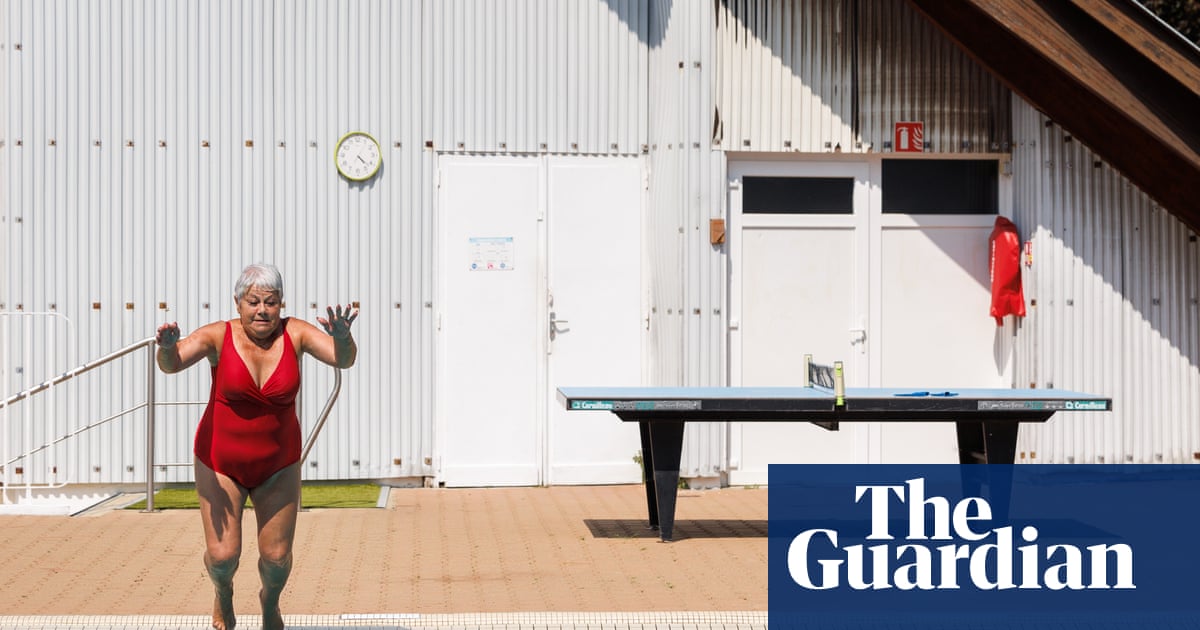
In Châteauneuf-sur-Sarthe, a village in western France with a population of approximately 3,200, the local pool has become a focal point for community preservation efforts. Opened in 1973, it remains the only swimming facility within a twenty-mile radius after three neighboring rural pools shut down due to financial constraints. Mayor Véronique Langlais has committed to keeping the center open despite an annual operating cost exceeding €100,000, a substantial sum for a modest municipal budget. She acknowledges that any unexpected major repair could force an immediate closure, describing the situation as precarious.
Residents have organized into collectives to advocate for the survival of their local pools. In Châteauneuf-sur-Sarthe, a group called Touche Pas à Ma Piscine (Hands Off My Pool) has mobilized to demand greater government support. Members include long-time residents who view the pool as an essential part of community life and public health. Suzy Bernard, a former healthcare worker who learned to swim at age 75, highlights the wellbeing benefits of regular access to water. Her participation underscores how these facilities serve diverse age groups, offering both recreation and therapeutic value.
The historical context of these pools is rooted in a national response to safety concerns. Following poor performance in international competitions and a series of tragic drownings in the late 1960s, the government launched a program to build nearly 1,000 pools, mostly in rural areas. Over 600 were constructed, aiming to teach swimming skills and reduce water-related fatalities. Today, many of these structures are reaching the end of their useful lifespan without adequate funds for modernization. The decline in maintenance capabilities mirrors broader challenges faced by small municipalities across France.
Public health data underscores the importance of accessible swimming instruction. Between May 1 and July 15 this year, 274 people died from drowning in France, with most incidents occurring when individuals entered rivers and waterways to cool off. Experts note that proper training can mitigate these risks. In regions like Les Hauts-d’Anjou, where flooding is common and multiple rivers flow through the area, swimming lessons are particularly crucial. The closure of pools removes a structured environment for learning these skills, potentially increasing vulnerability among children and adults alike.
Political pressure is mounting to address the funding gap. François Gernigon, a lawmaker from Maine-et-Loire, has petitioned the government for a dedicated financial plan to support rural pools. His survey of local mayors revealed that more than 75% fear their facilities will close in the near future. He argues that these centers are the primary leisure venues in many rural areas and that their loss would leave residents feeling abandoned by public services. The heatwaves have amplified calls for intervention, framing pool preservation as a matter of climate adaptation.
Community-led initiatives are also emerging to fill gaps left by insufficient state support. In Rochefort-sur-Loire, volunteers have decorated the village with aquatic-themed art and hosted cultural events at the pool to attract attention from government officials. These efforts aim to demonstrate the facility's role as a center for community life rather than just a recreational amenity. Sociologists note that such spaces foster social cohesion and provide a sense of place in rural settings. As temperatures continue to rise, the debate over who should bear the cost of maintaining these public goods is likely to intensify.
The outcome of this crisis will depend on whether higher levels of government intervene with sustained funding or if local communities must rely entirely on volunteerism and charitable support. Without a clear strategy for renovation and operation, many pools may remain closed indefinitely. The situation highlights the intersection of climate change, public health, and municipal finance in rural France. As heatwaves become more frequent and severe, the need for accessible cooling infrastructure will only grow, making the preservation of these aging facilities a pressing policy issue.
Sources behind this briefing
Go to the original reporting
- The Guardian US↗‘In the heatwaves, it’s crucial’: the fight to save France’s rural swimming pools

