The short version
- Protests involving tens of thousands have spread nationwide, fueled by anger over inflation and perceived failures in public services.
- Violent confrontations occurred in major cities including Paris and Marseille, resulting in dozens of arrests and property damage.
- Political leaders are divided on the causes of the unrest, with authorities blaming extremist groups while unions cite economic hardship.
Tens of thousands of demonstrators took to the streets across France on Saturday, marking a significant escalation in nationwide protests driven by rising living costs and dissatisfaction with public services. The mobilization represents a broadening of discontent that began last month in schools within the impoverished northern suburbs of Paris. Initial grievances regarding teacher absences and deteriorating educational facilities have since evolved into a wider movement addressing inequality, inadequate public spending, and declining standards of care.
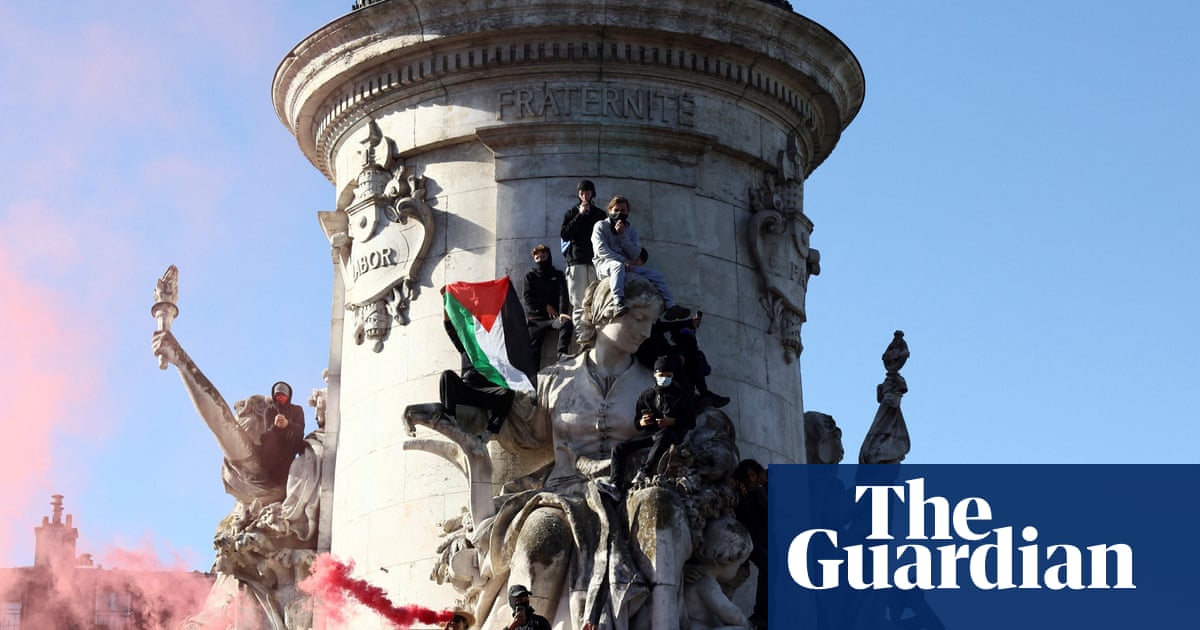
In the capital, police deployed teargas at the Place de la République after protesters launched fireworks and other projectiles toward authorities. Demonstrators also targeted the headquarters of the right-leaning television broadcaster CNews, breaking windows in the process. A large security presence was maintained near major landmarks such as the Champs-Élysées and the Arc de Triomphe, which were excluded from official demonstration routes. Approximately one hundred individuals marched toward police lines early in the day, chanting slogans hostile to law enforcement.
Violence also erupted in Marseille, where protesters used security barriers removed from the street to ram open the doors of the town hall. A small group briefly entered the municipal building, with one individual spray-painting an anarchist symbol on a wall before police intervened and cleared the area. Rubbish bins were set ablaze in parts of the city, contributing to the chaotic atmosphere that characterized demonstrations in several regions throughout the day.
French authorities reported recording 140 distinct protest events involving approximately 32,800 people outside Paris by midday. Dozens of individuals were detained across the country, with officials anticipating further arrests as the main rally commenced at 2 p.m. local time. The interior minister warned of hundreds of planned actions nationwide, including spontaneous gatherings and street blockades. In response to the anticipated unrest, police requested the closure of numerous Métro stations in central Paris, particularly those near government offices and the presidential palace.
The current wave of activism echoes the yellow vests movement that emerged in 2018, with social media calls urging a revival of that earlier campaign against social injustice. Protesters wearing high-visibility vests blocked streets, drawing parallels to the unrest that challenged President Emmanuel Macron during his previous term. The CGT, one of France’s largest labor unions, has endorsed the demonstrations, demanding higher wages and pensions, lower prices, and the protection of essential public services.
Political figures are responding differently to the crisis. President Macron appealed for calm and respect for both people and property, emphasizing that while the constitutional right to protest must be respected, it does not extend to destruction or insults. He condemned the potential presence of individuals whose sole purpose is to cause damage and create unrest. Meanwhile, French authorities have attributed the violence to ultra-left elements, a characterization contested by various observers.
The unrest occurs as Macron enters the final phase of his presidency, leaving behind a deeply polarized electorate and a fragmented political landscape. Both far-left and far-right factions are attempting to capitalize on the movement, with left-wing leaders like Jean-Luc Mélenchon expressing support for student protesters while right-wing figures back police actions. A survey conducted in October indicated that nearly half of French citizens are concerned about inflation and the rising cost of living.
The broader context includes thousands of arrests and hundreds of injuries reported in recent weeks, along with allegations of police violence that are currently under investigation by a watchdog body. The prime minister stated that more than 900 officers had been injured during these disturbances. As the new school year descended into nationwide student protests, the situation continues to influence the presidential election campaign and draw international attention to the social fractures within France.
Young demonstrators highlighted the personal impact of these economic pressures. One nineteen-year-old protester in Paris stated that the movement is fighting against harsh living costs, high fuel prices, and violent attacks on students seeking better learning conditions. The convergence of laborers, pensioners, farmers, and students suggests a widening coalition united by concerns over the fraying social welfare system meant to provide basic security and opportunity.
Looking ahead, the situation remains volatile with no immediate resolution in sight. The combination of economic anxiety, political polarization, and ongoing clashes between protesters and police creates an uncertain environment for the remainder of the year. Authorities continue to monitor planned gatherings while managing the aftermath of Saturday’s events, which included significant property damage and numerous detentions across multiple cities.
Sources behind this briefing
Go to the original reporting
- The Guardian US↗Police clash with protesters as tens of thousands take to streets across France


