The short version
- Violent disorder erupted during large-scale demonstrations against rising costs and public service cuts, resulting in significant property damage and police injuries.
- President Macron’s call for unity faced sharp criticism from political rivals and unions who argue the administration failed to address underlying socioeconomic grievances.
- With parliament divided and a presidential election looming, authorities face pressure to restore order while preparing for further scheduled protests in November.
France is confronting a severe crisis of public order following a weekend marked by widespread violence, looting, and civil unrest. What began as largely peaceful demonstrations involving over half a million participants against rising living costs and deteriorating public services descended into chaos when masked groups engaged in vandalism and theft. The scale of the disorder has been described as among the worst in modern French history, with an estimated 1,500 shops and businesses damaged or destroyed across the country.
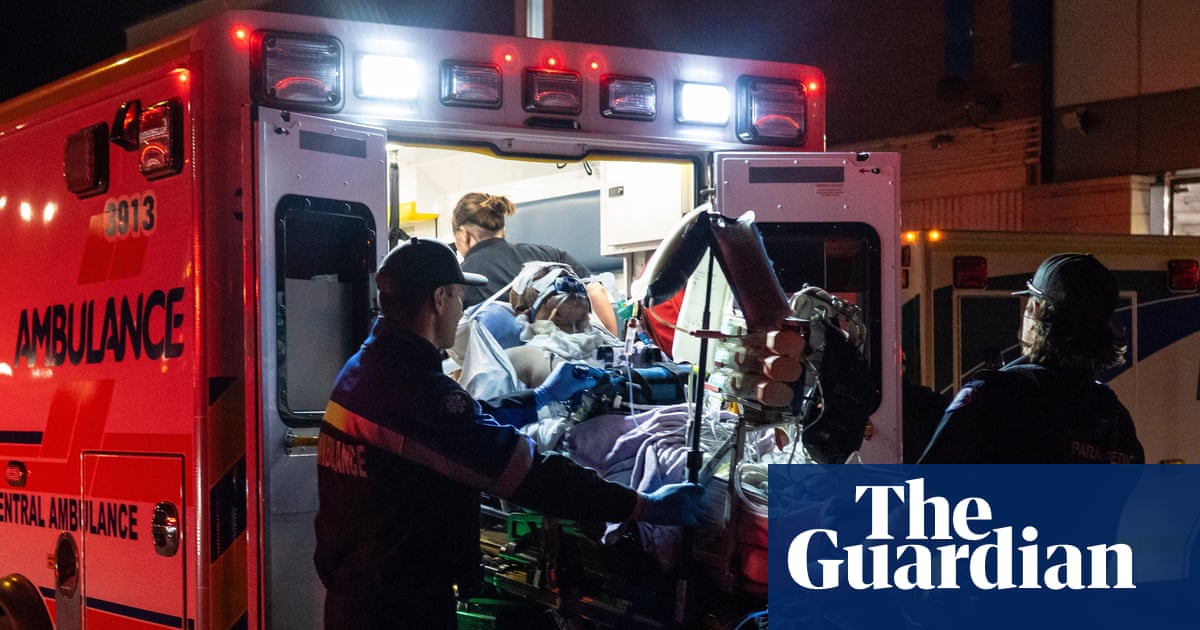
The security response was intense but reportedly strained. Riot police deployed tear gas and water cannons to disperse crowds, while baton charges were reported in several locations. The interior ministry confirmed that approximately 1,000 officers sustained injuries on Saturday alone, seven of which were serious. These figures highlight the significant physical toll on law enforcement personnel tasked with managing the volatile situation.
In response to the escalating tension, President Emmanuel Macron delivered a televised address on Sunday urging national unity and calm. He assured the public that those responsible for the violence would face consequences. However, this appeal has drawn sharp criticism from political opponents and social media users who argue that the speech lacked specific policy details or actionable plans to address the root causes of the unrest.
Critics have pointed out several unanswered questions regarding the government’s strategy. There is no clear outline for how vandals will be prosecuted, how destroyed businesses will receive compensation, or when meaningful dialogue with educators and students will commence. Sophie Binet, secretary general of the CGT union, accused Macron of neglecting student concerns and the broader cost-of-living crisis, suggesting that the administration has effectively passed responsibility to Prime Minister Sébastien Lecornu.
Prime Minister Lecornu convened a crisis cabinet meeting on Monday to assess the damage and plan next steps. Despite these efforts, many observers believe the government was ill-prepared for the scale of the protests. The interior ministry and the prime minister have been criticized for inadequate policing resources ahead of the scheduled demonstrations. Meanwhile, Yaël Braun-Pivet, president of the lower house of parliament, has called for an inquiry to determine exactly what occurred and why security measures failed.
The unrest unfolds against a backdrop of deep political fragmentation. France’s parliament is currently paralyzed by divisions among three competing political blocs. With a presidential election scheduled in six months, the current administration is widely viewed as a lame-duck government. Candidates from both the nationalist right and the anti-capitalist left are leveraging the crisis to gain visibility, with Marine Le Pen blaming the exhausted Macronist administration and Jean-Luc Mélenchon citing governmental incompetence.
Economic pressures further complicate the situation. Investors are urging the French government to control its spiraling public debt, yet officials fear that cutting welfare or public services could trigger additional unrest. This dilemma leaves policymakers trapped between fiscal responsibility and social stability. Residents in affected areas express frustration that political leaders are focused on blame-shifting rather than ensuring public safety.
While authorities hope for a temporary respite as students begin their half-term break, tensions remain high. Graffiti reading 'What now, what next, is our country broken?' appeared on walls near damaged shops in Paris, reflecting the national anxiety. A new wave of protests is scheduled for November 5, organized by trade unions and remnants of the yellow vest movement. The coming weeks will test the government’s ability to restore order and address the underlying grievances fueling the unrest.
The incident has left a visible scar on urban landscapes, with historic buildings set ablaze and public spaces defaced. In central Paris, vandals targeted the Statue de la République, symbolizing the depth of anger toward state institutions. As the nation processes the shock of these events, the challenge for French leaders is not only to punish perpetrators but also to rebuild trust in a political system that many feel has failed them.
Looking ahead, the government must navigate a delicate balance between enforcing law and order and engaging in substantive dialogue with civil society. Without concrete measures to address economic hardship and public service degradation, the risk of further escalation remains significant. The outcome of this crisis could shape the trajectory of French politics well beyond the upcoming presidential election.
Sources behind this briefing
Go to the original reporting
- BBC News↗France's government under pressure after weekend of widespread violence