The short version
- French officials have formally attributed recent supermarket freezer disruptions to hackers linked to Iran's Islamic Revolutionary Guard Corps.
- The attack involved exploiting default passwords to raise temperatures, resulting in spoiled food and equipment fires, with similar incidents reported across Europe.
- Security experts view the incident as a geopolitical signal rather than a complex technical breach, fitting a pattern of Iranian cyber operations aimed at projecting power.
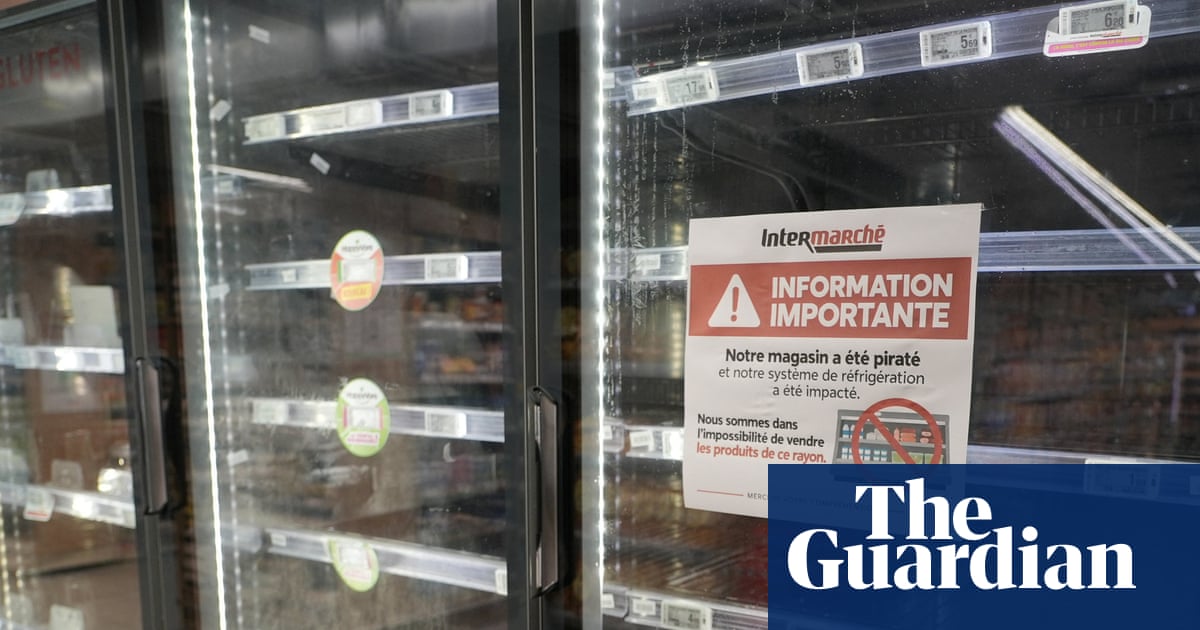
French authorities have formally attributed a recent wave of cyberattacks targeting supermarket refrigeration systems to hackers operating under the auspices of Iran’s Islamic Revolutionary Guard Corps. This designation marks a significant development in the ongoing landscape of state-sponsored digital aggression, as it is the first time a government has officially implicated the Iranian state in this specific type of infrastructure disruption. The attacks caused widespread operational chaos within French retail sectors, forcing employees to discard large quantities of perished meat and melted ice cream after the temperature controls were manipulated.
The technical execution of the breach was described by cybersecurity experts as relatively unsophisticated. Rather than employing advanced zero-day exploits or complex malware, the attackers reportedly gained access to the refrigeration control systems by utilizing default passwords that had not been changed by the facility managers. Despite the simplicity of the method, the consequences were severe and visible. In some instances, the temperature settings were raised so drastically that the equipment overheated and caught fire, creating immediate safety hazards alongside the logistical nightmare of managing spoiled inventory.
France’s foreign minister characterized the incident as an act of unprecedented scale and aggression, promising that Europe-wide sanctions would be imposed against those responsible. This strong diplomatic response underscores the severity with which European nations are now viewing such disruptions. The attribution to the Islamic Revolutionary Guard Corps places the attack within a broader context of Iranian state activity, linking it to previous incidents where similar groups have targeted critical infrastructure or public displays for political messaging.
The timing and nature of these freezer hacks suggest they are part of a coordinated campaign that extends beyond French borders. Cybersecurity analysts now presume a link between the French incidents and a wave of rogue defrosting hacks that occurred across Europe in the preceding week. This pattern mirrors earlier events, including attacks on industrial freezers at an Israeli food production plant in May and a series of malfunctions at US military bases in August that are currently being investigated as suspected cyber intrusions. While those previous incidents have not been officially attributed to Iran, the French announcement establishes a clear precedent for connecting such disruptions to Tehran.
Experts note that this type of operation aligns with established Iranian cyber strategies, which often prioritize political signaling over complex data theft or financial gain. Unlike Chinese actors who typically focus on industrial espionage, or Russian groups known for disrupting infrastructure and spreading disinformation, Iranian state-backed hackers tend to use cyber operations to project power and express political displeasure with regional adversaries. The lack of a specific message in this instance does not diminish its intent; the disruption itself serves as a demonstration of capability and reach.
The vulnerability exploited in these attacks highlights a persistent issue in industrial control systems: the failure to update default security credentials. While the underlying context is geopolitical, the technical entry point was mundane. This discrepancy between the simplicity of the hack and the magnitude of its impact illustrates how low-effort breaches can yield high-visibility results when targeting essential services. The ease with which attackers could manipulate physical environments through digital means raises concerns about the resilience of similar systems in other sectors.
This incident occurs against a backdrop of growing anxiety regarding cyber threats in Western nations. The UK’s national cybersecurity centre has recently warned that the country is entering a new phase of heightened risk, anticipating a significant increase in the volume and sophistication of attacks. While artificial intelligence is often cited as a future threat capable of identifying unforeseen flaws in IT systems, the current wave of attacks demonstrates that basic security hygiene remains a critical defense. The combination of tense global relations and outdated security practices creates an alarming landscape for infrastructure protection.
Looking ahead, the imposition of European sanctions will likely intensify diplomatic tensions between France and Iran. However, the broader implication is a renewed focus on securing industrial control systems across the continent. Governments and private sector operators must now reassess their cybersecurity protocols, particularly regarding default passwords and network segmentation. As state actors continue to use cyber tools for geopolitical leverage, the line between digital intrusion and physical disruption becomes increasingly blurred, necessitating a more robust and coordinated defense strategy.
Sources behind this briefing
Go to the original reporting
- The Guardian World↗Cyber-attack on French supermarket freezers has geopolitical context