The short version
- French authorities have arrested 420 people, including minors, for allegedly starting or negligently contributing to wildfires that have burned over 300,000 acres.
- Critics argue the crackdown is excessive and lacks transparency, while prosecutors maintain strict penalties are necessary given the extreme fire risk.
- Experts note most fires result from accidental human activity rather than deliberate arson, with climate change creating conditions where small sparks easily ignite vast areas.
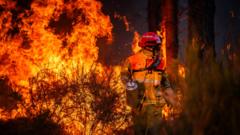
French authorities have launched an aggressive legal response to a series of devastating wildfires that have caused more damage this year than at any point since the Second World War. The interior ministry announced the arrest of 420 individuals suspected of either deliberately igniting fires or acting with negligence that led to blazes. This figure includes 166 minors, reflecting the broad net cast by investigators across multiple regions. The arrests come as emergency services continue to battle flames in areas such as Gironde, where a major response was initiated in late July.
The scale of the destruction has prompted intense scrutiny regarding responsibility. While climate change driven by fossil fuel consumption is identified as a primary factor raising temperatures and drying vegetation, official records indicate that nine out of ten wildfires in France are human-caused. This statistic has led the government to pursue accountability aggressively. However, this approach has drawn criticism from legal professionals and media outlets who question whether the response is proportionate or adequately investigated.
Specific cases illustrate the range of alleged offenses and penalties. A 23-year-old man faces up to 15 years in prison and a substantial fine for allegedly starting ten fires in the Var region within five days. In another instance, a man received an immediate three-year sentence for igniting three fires in the Vosges region, despite reports noting that only a small amount of vegetation was consumed. These swift judicial actions have raised concerns about due process and the severity of punishments relative to the actual damage caused.
Legal experts argue that many prosecutions appear heavy-handed. Muriel Gestas, a lawyer representing several accused individuals, described the volume of arrests as excessive and expressed doubt that many would result in convictions. She noted that some firefighters have been accused of starting fires, potentially motivated by a desire for recognition or financial gain through overtime pay. Meanwhile, Le Monde reported skepticism regarding the depth of police investigations, citing the short timeframe in which these cases were processed.
Transparency remains a significant issue in the current crackdown. Authorities have not provided detailed breakdowns of specific charges or clarified how many cases involve intent versus negligence. This lack of data prevents meaningful comparison with previous years’ wildfire seasons. Critics argue that without clear distinctions between accidental and deliberate acts, it is difficult to assess whether the legal strategy is effective or merely punitive.
Prosecutors defend the strict measures as necessary given the extreme environmental conditions. Renaud Gaudeul, a prosecutor in Bordeaux, stated that throwing cigarette butts or lighting barbecues in wooded areas meets the criteria for endangering lives. He emphasized that in the current drought, even a tiny spark can trigger rapid and uncontrollable fire spread. This perspective underscores the heightened risk environment where minor human actions can have catastrophic consequences.
Investigating the origins of these fires is complex. Fire investigators like Eric Dufayet map burnt vegetation outlines to trace flames back to their source, often looking for V-shaped patterns formed by steady winds. They search for evidence such as DNA or fingerprints, though experts believe deliberate arson accounts for only a small fraction of incidents. Most fires are attributed to accidental causes, including construction sparks, faulty electrical equipment, and discarded cigarettes.
The conditions required for cigarette-related ignitions are specific but increasingly common during heatwaves. Dufayet explained the '30 rule,' noting that temperatures above 30 degrees Celsius, humidity below 30 percent, wind speeds under 30 kilometers per hour, and unburnt cigarette material can easily start a fire. In the current drought, these thresholds are frequently met, making accidental ignitions more likely and dangerous.
Psychological profiles of those who start fires vary widely. Michel Lejoyeux, a psychiatry professor, categorizes offenders into careless individuals, those seeking financial benefit through insurance fraud, and pyromaniacs. He noted that true pyromania is rare and difficult to diagnose, accounting for few convictions. Most cases likely fall under negligence or accidental harm rather than malicious intent.
Looking ahead, forecasts indicate another heatwave is imminent, raising fears of further wildfires. President Emmanuel Macron has urged the public to focus on recovery rather than criticism, stating that France must replant and rebuild forests adapted to new climate realities. He described the fires as unprecedented, signaling a long-term shift in how the nation manages its natural resources amidst rising global temperatures.
Sources behind this briefing
Go to the original reporting
- BBC News↗Hundreds arrested over French wildfires, but who is to blame?

