The short version
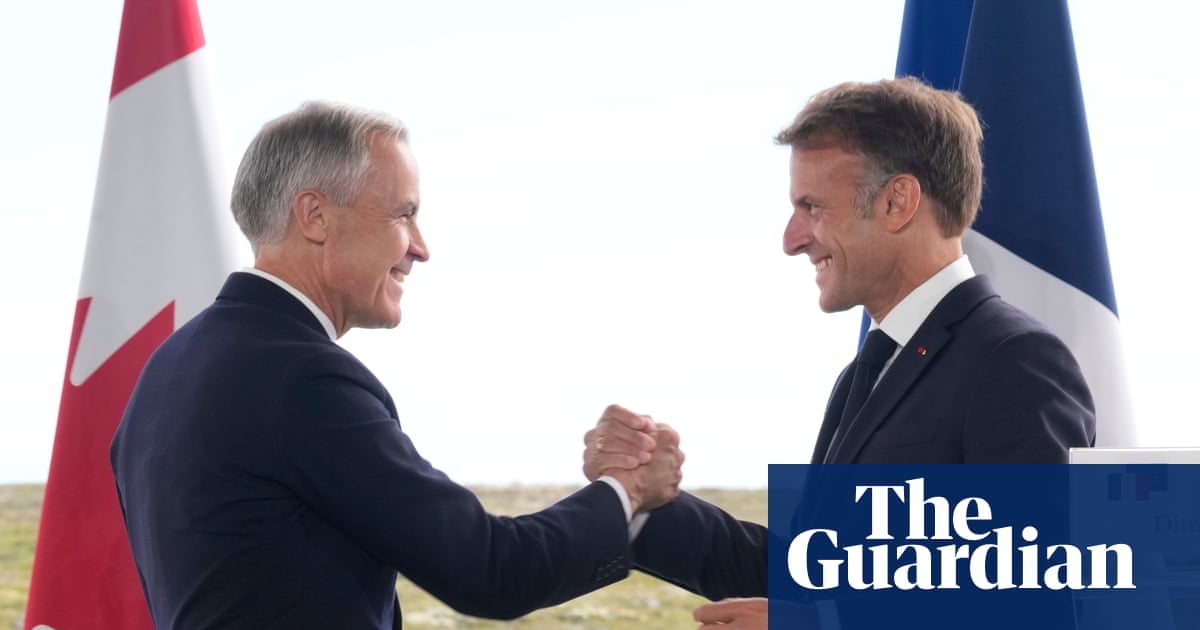
- French President Emmanuel Macron and Canadian Prime Minister Mark Carney met in Saint-Pierre and Miquelon to strengthen bilateral cooperation on security, energy, and democratic values.
- The visit follows a social media post by Donald Trump depicting North American territories under the US flag, highlighting rising geopolitical tensions between Ottawa and Washington.
- Both nations are exploring deeper integration with the European Union, including potential associate membership for Canada and increased liquefied natural gas exports to Europe.
Leaders from France and Canada have committed to a more robust partnership designed to address shared challenges ranging from climate disruption to the defense of democratic institutions. The agreement was announced following a meeting in Saint-Pierre and Miquelon, a French overseas territory located off the coast of Newfoundland. This gathering marks the first visit by a Canadian prime minister to the islands and the first by a French president since 2014, underscoring the symbolic importance of the occasion.
The timing of the summit reflects growing friction between Ottawa and Washington. The meeting occurred shortly after former US President Donald Trump shared an image on social media that depicted Canada, Greenland, Iceland, Mexico, Central America, and the Caribbean as part of the United States. The graphic also included Saint-Pierre and Miquelon and other French territories under a single American flag. This visual assertion has heightened concerns in both Paris and Ottawa regarding sovereignty and regional stability.
During their discussions, Prime Minister Mark Carney and President Emmanuel Macron emphasized the need to counteract what they described as new storms shaking their societies. These upheavals include environmental changes, threats to national sovereignty, and a perceived decline in democratic norms. Both leaders stated that strengthening their alliance is essential for maintaining stability in an increasingly volatile global landscape. They agreed to collaborate more closely on issues such as space exploration, energy security, and climate policy.
President Macron addressed the controversy surrounding Trump’s map directly, dismissing suggestions that French territories might be subject to American claims. He noted that he did not feel compelled to reaffirm France’s sovereignty daily in response to unusual assertions. However, the incident has added weight to diplomatic efforts to solidify transatlantic bonds outside of traditional US-centric frameworks. The islands themselves hold strategic value for France due to their proximity to the Arctic and the United States.
Energy cooperation emerged as a key practical outcome of the talks. Macron highlighted the importance of Canadian liquefied natural gas projects for European energy security. Paris is encouraging Canada to expand its LNG exports toward Europe rather than focusing primarily on Asian markets. This shift would help diversify Europe’s energy supply while providing Canada with an alternative trade partner amid ongoing disputes with the United States.
The broader context involves Ottawa’s pursuit of closer ties with the European Union. The EU has proposed granting Canada associate member status, a move that Macron publicly supported. This proposal aims to deepen economic and political integration between North America and Europe. However, the initiative faces significant opposition from Washington, with Trump threatening serious tariffs and trade halts if the bloc proceeds. He characterized the idea of Canadian associate membership as laughable.
Despite high-level support for deeper integration, structural hurdles remain. The Comprehensive Economic and Trade Agreement between the EU and Canada has faced delays in ratification by several member states, including France, even nine years after its provisional application began. These legislative bottlenecks complicate efforts to formalize new agreements quickly. Both governments acknowledged that while political will exists, translating it into concrete deals requires navigating complex domestic and international legal frameworks.
Looking ahead, the two nations plan to initiate bilateral discussions aimed at sealing specific agreements in sectors identified during the summit. The focus will likely remain on energy independence, technological collaboration, and joint responses to global security threats. As trade tensions with the United States persist, France and Canada are positioning themselves as reliable partners for each other and for European stability. The success of this renewed alliance will depend on their ability to overcome existing bureaucratic obstacles and deliver tangible results.
Sources behind this briefing
Go to the original reporting
- The Guardian World↗Macron and Carney announce closer France-Canada ties amid Trump tensions

