The short version
- French leadership is expediting the transfer of air defense technology and manufacturing rights to address critical shortages in Ukrainian sky protection capabilities.
- Intensified Russian ballistic missile campaigns have resulted in significant civilian casualties, including a deadly strike on a shopping center in Kryvyi Rih.
- Diplomatic efforts face headwinds as US engagement shifts toward the Middle East, while European allies convene to discuss increased pressure on Moscow.
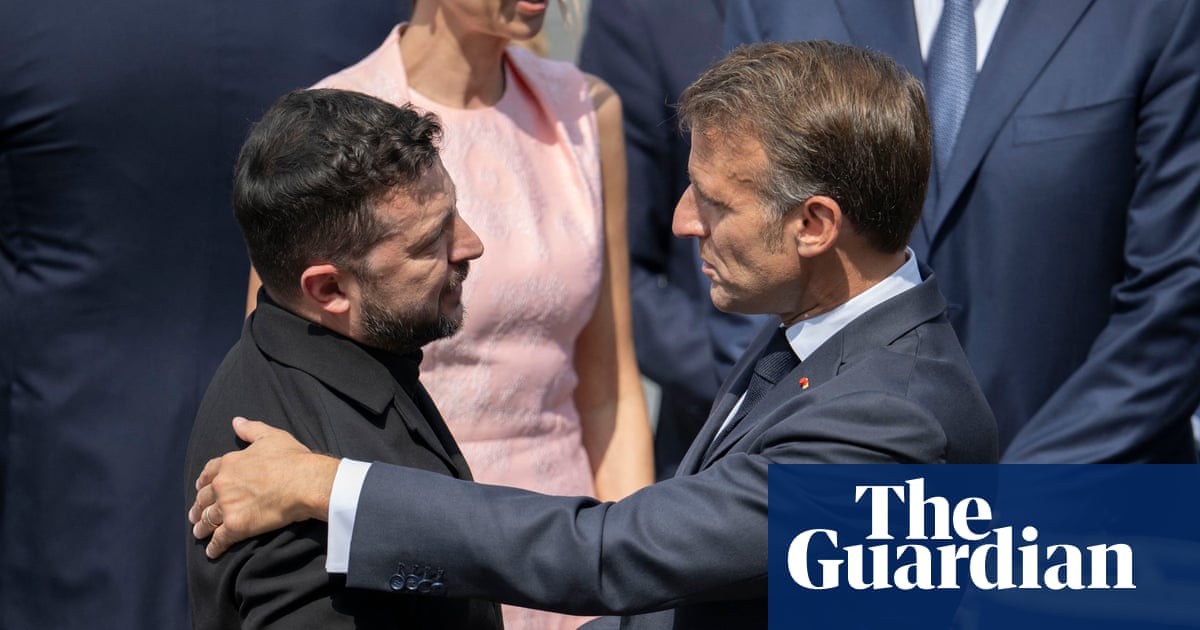
French President Emmanuel Macron has committed to strengthening military assistance for Ukraine by accelerating the delivery of interceptor missiles and expanding production capabilities. This decision follows a direct conversation with Ukrainian President Volodymyr Zelenskyy, during which both leaders addressed the severe shortage of air defense systems currently plaguing Kyiv’s military infrastructure. The move represents a tangible shift in European support mechanisms as the conflict enters its 1,642nd day.
The urgency of this aid stems from a marked increase in Russian aerial assaults that have pushed civilian fatalities to their highest levels since the initial months of the invasion. Moscow has intensified its use of high-speed ballistic missiles, particularly against the capital, Kyiv. These weapons travel at velocities that make interception difficult and leave civilians with insufficient time to reach underground shelters before impact.
Macron emphasized the necessity of equipping Ukraine with the tools required to defend its airspace and counter ongoing aggression. The French president is working within the framework of the Anti-Missile Coalition, a group of ten European nations established in Paris last July. This coalition aims to develop cost-effective alternatives to the American Patriot missile system, which remains the only weapon in Ukraine’s inventory capable of reliably neutralizing Russian ballistic threats.
Under the new agreement, France plans to advance the deployment of its SAMP/T air defense system to Ukrainian forces. Additionally, Kyiv will receive licenses to manufacture interceptor missiles locally, alongside permissions to produce SCALP long-range cruise missiles and other essential munitions. Zelenskyy acknowledged these developments on social media, thanking Paris for confirming readiness to provide production licenses and noting an agreement to speed up the arrival of latest French equipment.
The escalation in violence has drawn sharp reactions from Western leaders regarding specific incidents. Macron expressed profound distress over a recent attack on a shopping center in Kryvyi Rih, a city known as Zelenskyy’s hometown. The strike killed sixteen people and left rescuers sifting through extensive rubble. Such events underscore the human cost of the intensified bombardment and have galvanized political will among European allies to bolster defensive capabilities.
Recent days have seen widespread strikes across multiple regions. A ballistic missile hit Kyiv during a visit by German Foreign Minister Johann Wadephul, resulting in two deaths and several injuries in the Boryspil district. Russian officials claimed the strike targeted trucks used for transporting long-range drones. Simultaneously, attacks in the Odesa region wounded three people, including a teenager, while strikes in the frontline Zaporizhzhia area killed at least four individuals.
Ukrainian forces have continued their own offensive operations, targeting economic infrastructure within Russia and occupied territories. Drone strikes reportedly killed ten people across various locations, including an attack on a warehouse belonging to Ozon, one of Russia’s largest online retailers. This marks the first known strike on Ozon, following weeks of attacks on its competitor Wildberries. Kyiv frames these actions as part of a broader strategy to disrupt the financial underpinnings of Moscow’s war effort.
Diplomatic prospects remain dim as United States involvement wanes due to its focus on conflicts in the Middle East. The US had previously brokered several rounds of direct talks between Kyiv and Moscow, but those efforts have stalled. In response, European partners are stepping up their coordination. Leaders from the Coalition of the Willing, an initiative spearheaded by France and Britain, are scheduled to meet to discuss methods for increasing pressure on Russia to cease its invasion.
The conflict continues to exact a heavy toll on both sides. In Russian-occupied areas, Ukrainian drone strikes caused casualties in Sevastopol on the Crimean peninsula and in the Luhansk region. Moscow-backed officials reported deaths among civilians, including minors, highlighting the pervasive danger faced by populations in contested zones. As military exchanges intensify, the reliance on European-supplied air defense systems becomes increasingly critical for Ukraine’s survival.
Looking ahead, the success of the Anti-Missile Coalition’s efforts will depend on the speed of technology transfer and local manufacturing ramp-up. The ability to produce interceptors domestically could mitigate supply chain vulnerabilities that have hampered previous aid packages. Meanwhile, the international community watches closely as European powers attempt to fill the diplomatic and military void left by shifting American priorities.
Sources behind this briefing
Go to the original reporting
- The Guardian US↗Ukraine war briefing: Macron focuses on delivery of missile interceptors as Russian attacks intensify

