The short version
- Osiris, a 26-year-old female beluga, died at the Shedd Aquarium after struggling to adapt to her new environment and exhibiting inconsistent feeding habits.
- This death follows the recent passing of three other rescued whales, including two at Shedd and one in Spain, highlighting the severe risks associated with relocating captive marine mammals.
- Regulators require formal necropsy reports within 30 days to determine specific causes of death, while remaining relocated animals show mixed health outcomes across various facilities.
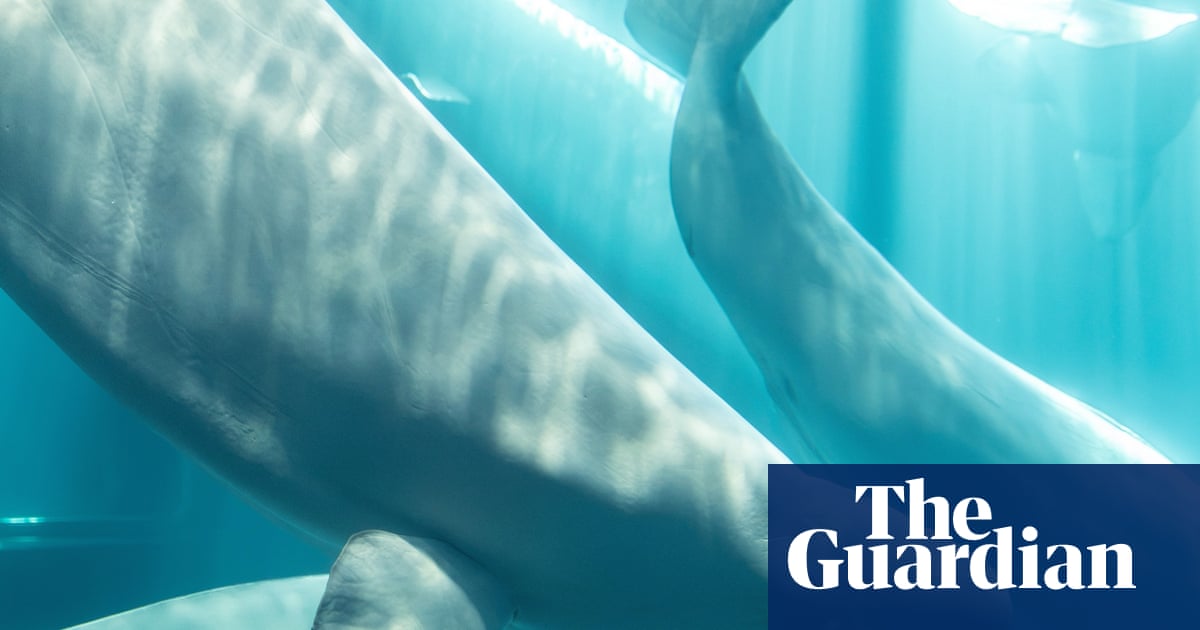
A fourth beluga whale rescued from a closed Canadian marine park has died, underscoring the profound difficulties involved in relocating captive cetaceans. Osiris, a 26-year-old female, passed away at the Shedd Aquarium in Chicago on Monday after failing to fully acclimate to her new surroundings. Her death marks the latest loss among a group of thirty whales removed from Ontario’s shuttered Marineland amusement park earlier this summer, an operation that was intended to save the animals from potential euthanasia following the facility's financial collapse and public closure.
The Shedd Aquarium stated that Osiris had been under close medical supervision since her arrival due to significant vulnerabilities. Staff noted that she did not eat as consistently as her peers, which complicated efforts to maintain her hydration and nutritional levels. Although caretakers observed periods of meaningful progress in both her social interactions and physical intake, her overall condition remained precarious. On the morning of her death, personnel detected sudden changes in her breathing patterns and behavior, prompting an immediate transfer to a medical habitat where she declined rapidly despite intensive lifesaving interventions.
Osiris is the third beluga to die at the Shedd Aquarium since the relocation began. Two other rescued whales, named Peekachu and Rain, died in late August and early September after arriving from Canada. The aquarium acknowledged that these deaths were sudden and unexpected, occurring as the animals’ health wavered during the adjustment period. Additionally, a beluga that had been housed at the facility for decades died around the same time, though it was not part of the rescue cohort. The institution emphasized that when asked to assist with the rescue, they understood that the animals arrived with significant health compromises and that positive outcomes could not be guaranteed for every individual.
The crisis extends beyond Chicago. Jelly Bean, a 19-year-old male relocated to Oceanogràfic de València in Spain, died last week under similarly unexpected circumstances. A spokesperson for the Spanish facility reported that Jelly Bean had experienced feeding difficulties, which led veterinary teams to intensify monitoring efforts. Despite some periods of improvement, his condition deteriorated suddenly. These fatalities highlight the fragility of beluga whales when subjected to major environmental changes, a vulnerability exacerbated by their sensitivity to stressors such as pollution and climate shifts.
The backdrop to these deaths is the troubled history of Marineland, which closed to the public in 2024 after a calamitous drop in visitor numbers and income forced owners to abandon the venture. More than twenty whales and dolphins had died at the park since 2019, raising concerns among marine activists who described the situation as akin to a hostage crisis for the remaining animals. The Canadian government blocked the sale of the surviving population to China, leaving euthanasia as a potential outcome unless alternative housing could be secured. This led to a complex international operation to move thirty whales and several bottlenose dolphins to aquariums in the United States and Spain.
The logistics of the rescue involved custom-made slings and temperature-controlled containers to transport the animals safely. Aquarium personnel traveled to Marineland to review health records and prepare for the transition, monitoring the whales’ conditions minute by minute upon arrival. Despite these precautions, many animals did not take well to their new environments. The National Oceanic and Atmospheric Administration notes that belugas are particularly vulnerable to environmental changes, and populations in Alaska’s Cook Inlet have declined by nearly eighty percent between 1979 and 2018, leading to their classification as an endangered species.
Not all relocated animals have suffered fatal outcomes. Two rescued whales at the Georgia Aquarium showed decreased appetites but were examined without any serious issues being found. Meanwhile, whales housed at SeaWorld locations in San Diego and San Antonio are reported to be in stable health. A company spokesperson confirmed that these animals are adjusting better than their counterparts elsewhere, suggesting that facility-specific factors may play a role in survival rates. The contrast in outcomes underscores the unpredictability of such large-scale relocations.
Regulatory oversight is now focused on determining the precise causes of death. The Shedd Aquarium notified NOAA Fisheries of Osiris’s death and is required to formally submit names and causes of death within thirty days. Upon request, the facility must provide copies of necropsy reports. The aquarium has committed to conducting thorough necropsies and sharing the confirmed results with regulators. This data will be critical for understanding the specific health challenges faced by relocated belugas and for informing future conservation and rescue strategies.
The deaths of Osiris, Peekachu, Rain, and Jelly Bean serve as a sobering reminder of the risks inherent in moving captive marine mammals. While the international effort prevented immediate euthanasia, the high mortality rate raises questions about the long-term viability of such rescues. As authorities await necropsy results, the focus remains on supporting the surviving animals and analyzing what went wrong for those who did not survive the transition. The situation continues to evolve as facilities monitor the health of the remaining relocated whales.
The broader implications of this crisis extend beyond individual animal welfare. The failure of Marineland and the subsequent struggles of the rescued population highlight the ethical and logistical complexities of marine parks. As public sentiment shifts away from captivity, institutions face increasing pressure to demonstrate humane care and successful rehabilitation. The outcomes at Shedd, Oceanogràfic, Georgia Aquarium, and SeaWorld will likely influence future policies regarding the management of captive cetaceans and the feasibility of large-scale rescue operations.
Sources behind this briefing
Go to the original reporting
- The Guardian World↗Beluga whale rescued from closed Canadian marine park dies in US

