The short version
- Four locations were shortlisted from nine candidates to compete for the 2029 UK City of Culture title.
- Each finalist receives initial development funding, with the eventual winner set to receive a larger grant for programming.
- Previous winners have reported lasting economic and social benefits from holding the designation.
The selection process for the 2029 UK City of Culture has narrowed to four finalists: Blackpool, Sheffield, Milton Keynes, and Wrexham. These locations were chosen from an initial longlist of nine contenders. The decision marks a critical stage in a competition designed to stimulate local economies, enhance civic identity, and promote cultural engagement across the United Kingdom. A final winner will be identified early next year following further development of their respective proposals.
Financial support is attached to each phase of the competition. Each of the four shortlisted areas has been awarded £125,000 to refine their bids and prepare for the final evaluation. The ultimate victor will receive a substantially larger investment of £10 million. This funding is intended to support a wide array of events and initiatives that have historically generated employment, increased participation in the arts, and attracted visitors to host cities.
The track record of previous winners suggests significant potential impact. Derry, Hull, Coventry, and Bradford all held the title in recent years. Officials from each of these cities described the experience as transformative, noting that the designation left enduring legacies for their communities. The pattern indicates that the award can serve as a catalyst for long-term regeneration rather than merely providing temporary entertainment.
Wrexham enters the final stage with considerable momentum. Prior to the announcement, betting markets favored the Welsh city, likely influenced by its recent high-profile association with Hollywood actors Ryan Reynolds and Rob McElhenney, who purchased the local football club. Local leadership acknowledges that while the city faces ongoing socioeconomic challenges, the competition offers an opportunity to build community confidence and showcase Wrexham’s broader appeal beyond its sports profile.
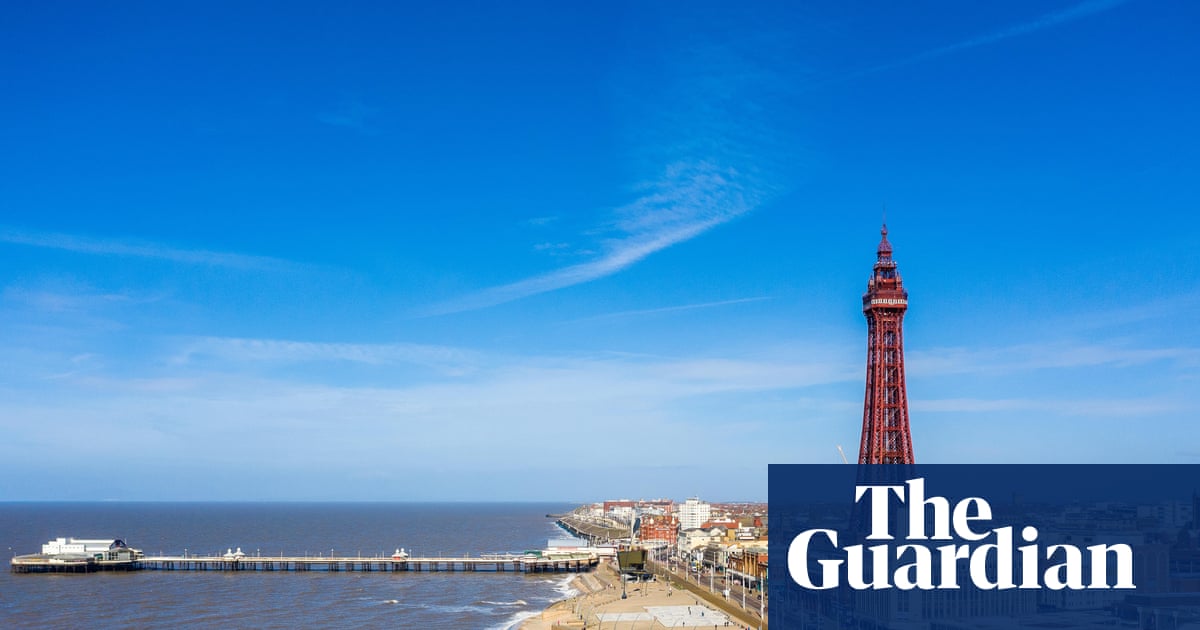
Blackpool aims to make history as the first seaside resort to secure the title. Council representatives emphasize the town’s long-standing tradition of entertainment and its working-class roots. The bid focuses on demonstrating the city’s resilience and its capacity to bring people together through cultural activities. Officials argue that Blackpool offers a unique character that distinguishes it from other urban centers in the UK.
Milton Keynes seeks to challenge prevailing perceptions about its urban landscape. Critics have often characterized the city as dominated by concrete infrastructure and roundabouts. However, local leaders highlight a vibrant scene of homegrown talent, including orchestras, performing artists, and biennial international festivals. The bid attempts to reframe the city’s image by showcasing its creative assets and commitment to future development.
Sheffield brings a strong artistic heritage to the competition. The city is known for its contributions to electronic music and rock bands such as Pulp and Arctic Monkeys. It also hosts England’s largest theatre complex outside of London. Council officials describe Sheffield as a place defined by creativity, innovation, and community spirit, pointing to its diverse range of cultural institutions and grassroots initiatives.
The advisory panel responsible for selecting the winner is chaired by Phil Redmond, who previously oversaw Liverpool’s European Capital of Culture year. He noted that the shortlist reflects a wide variety of creative ambitions across the country. Each candidate presents a distinct perspective on what culture means to its residents. The final decision will require balancing these different approaches to determine which city best represents the collective cultural identity of the UK.
Five other cities were eliminated from contention after the longlist stage. Ipswich, Inverness, Middlesbrough, Portsmouth, and Swindon did not advance to the final four. Their exclusion leaves the remaining candidates to compete for the substantial funding and national attention associated with the title. The outcome will likely influence cultural policy and investment strategies in the winning region for years to come.
The competition highlights the diverse ways in which different parts of the UK define and utilize culture. Whether through music, theater, festivals, or community engagement, each finalist offers a unique vision. The process underscores the role of cultural designation as a tool for economic development and social cohesion. As the bids develop, the focus will remain on how these cities can leverage their distinct identities to create lasting value.
Sources behind this briefing
Go to the original reporting
- The Guardian World↗Blackpool, Sheffield, Milton Keynes and Wrexham shortlisted for UK city of culture 2029

