The short version
- The emergence of digestive systems allowed early animals to produce fecal pellets that sank to the ocean floor.
- These pellets acted as a biological pump, delivering carbon, iron, nitrogen, and phosphorus to deeper marine environments.
- Fossilized waste found at dozens of global sites indicates a diverse range of animal diets during this period.
A new study proposes that the rapid diversification of animal life during the Cambrian period was significantly aided by the evolution of digestive systems and the resulting production of fecal matter. Researchers from the Karlsruhe Institute of Technology and Flinders University argue that the advent of poop played a crucial role in transporting nutrients to deeper parts of the ocean, thereby supporting larger and more complex ecosystems.
The Cambrian explosion, occurring roughly 540 million years ago, marked a dramatic shift in Earth's biological history. Within a span of about 60 million years following the emergence of the first simple animals, life branched out into a wide variety of complex forms. This period established most of the animal phyla and ecological structures that exist today. The new research suggests that this evolutionary burst was not just a matter of genetic innovation but also depended on changes in nutrient cycling.
Before the development of true digestive tracts, early animals were largely simple organisms resembling sponges or jellyfish. These creatures lived in sunlit surface waters or shallow seafloor regions and lacked internal organs for processing food. They survived by engulfing tiny particles like plankton or bacteria directly through their single body opening. The metabolic byproducts they released were primarily chemical waste that other animals could not easily utilize, leaving the deeper ocean largely devoid of usable nutrients.
The situation changed as some animals began to evolve simple organs around 580 million years ago. These developments allowed them to swallow larger chunks of food and digest it externally within a gut. This innovation enabled animals to consume more material at once, supporting more complicated body structures. However, it also meant they had to expel undigested matter, leading to the creation of fecal pellets that could sink through the water column.
In modern oceans, a system known as the biological pump moves essential nutrients such as carbon, iron, nitrogen, and phosphorus from surface waters to the depths. This process is driven largely by waste produced by marine life, ranging from zooplankton to whales. The researchers suggest that early fecal pellets provided a similar service in ancient oceans, kickstarting a primitive version of this pump. By delivering organic carbon and other key elements to deeper waters, these pellets made previously inhospitable environments suitable for life.
To support this hypothesis, the scientists analyzed fossilized digestive systems and coprolites found across various geological sites. They compared current ocean nutrient cycles with simulations of the chemical makeup of oceans from 540 million years ago. The data indicated that raw nutrients necessary for the ancestors of modern animal phyla likely reached the ocean depths via fecal matter. This influx of resources may have significantly boosted marine biomass and supported greater diversification.
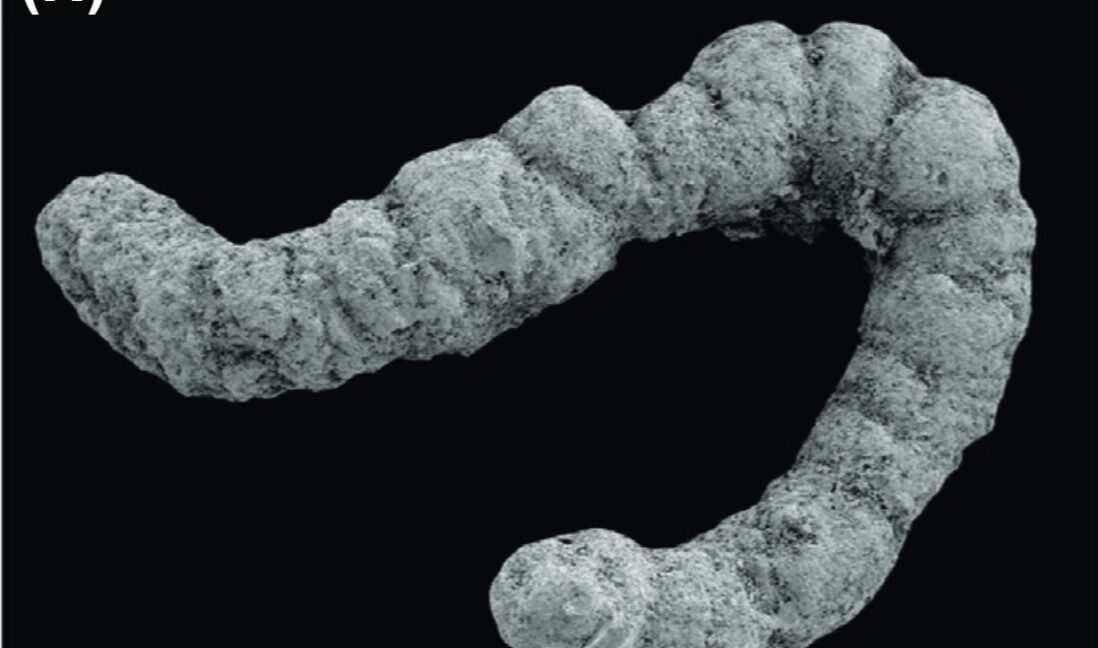
Fossil evidence of this ancient waste has been uncovered at approximately 35 sites worldwide, dating from 540 to 494 million years ago. These coprolites vary widely in size and shape, ranging from microscopic particles to several centimeters in length. Some specimens contain fragments of shells or exoskeletons, offering clues about the diets of the animals that produced them. The diversity of these fossils suggests a corresponding variety in the animal populations present during this era.
The presence of fecal matter also supported secondary ecological interactions. Bacterial mats thrived on the nutrient-rich waste, and some animals began grazing on these bacteria. Larger predators then fed on the grazers, continuing the cycle of biomass conversion and waste production. This interconnected system helped sustain a more complex food web than previously possible in the deep ocean.
While the study provides a compelling mechanism for how nutrient availability might have driven evolutionary change, uncertainties remain. Scientists have not yet been able to definitively link many Cambrian fossil animals to specific coprolites. Additionally, the exact extent to which fecal pellets contributed to the overall biomass increase compared to other factors is still a subject of ongoing investigation. The research highlights the importance of waste products in shaping Earth's biological history.
The findings underscore how seemingly mundane biological processes can have profound impacts on global ecosystems. By altering the distribution of essential nutrients, the evolution of digestion may have opened up new ecological niches and allowed for the emergence of complex life forms. As researchers continue to analyze fossil records and simulate ancient ocean conditions, a clearer picture of this pivotal period in Earth's history is emerging.
Sources behind this briefing
Go to the original reporting
- Ars Technica↗Did poop enable the evolution of complex animals?
