The short version
- Nigel Short will travel to the South Pole for a Fide-rated tournament featuring representatives from five other continents.
- Critics highlight the significant carbon footprint of flying participants across the Southern Ocean and into Antarctica's interior.
- Short maintains a high rating despite reduced activity, though he has not been selected for recent England national teams.
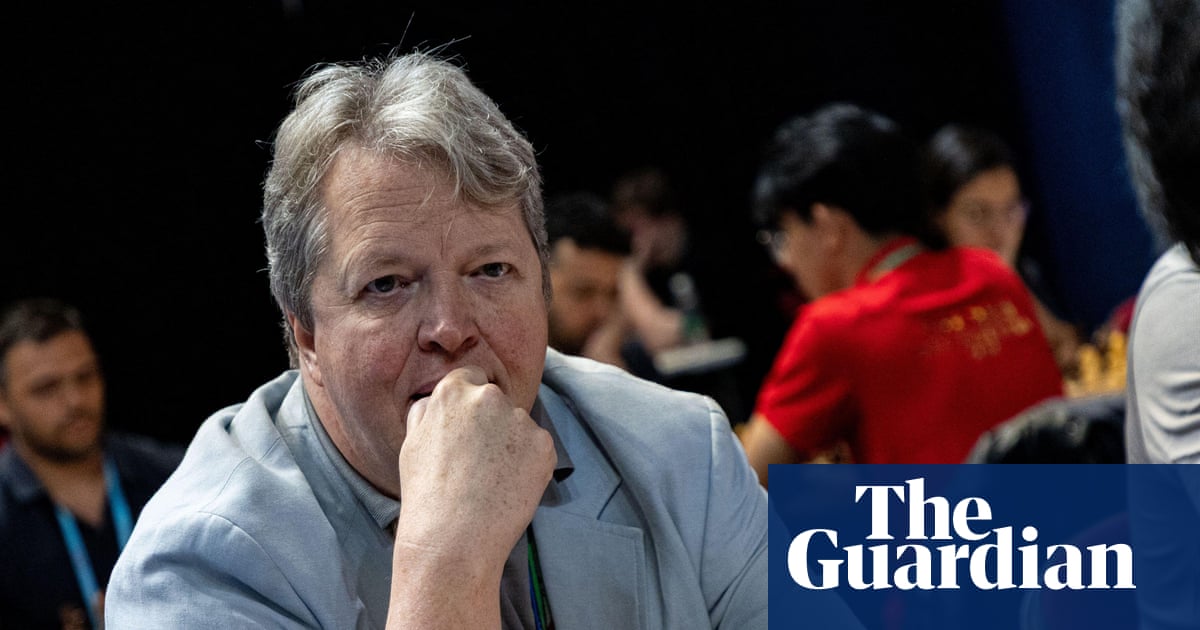
Nigel Short, the former world chess title challenger, is preparing to embark on an unprecedented journey to the Antarctic continent. The 61-year-old grandmaster will participate in a tournament at the South Pole, an event that has drawn criticism for its environmental impact while simultaneously attracting attention for its historical ambition. Short aims to become the first chess player in history to secure tournament victories on all seven inhabited continents, adding a polar chapter to a career already marked by significant achievements and longevity in the sport.
The logistical demands of the event are substantial. Participants must fly from Cape Town, South Africa, directly into the interior of Antarctica, traversing more than 2,500 miles across the Southern Ocean. Upon arrival, they will board small aircraft designed for remote polar operations to complete a further seven-hour journey to the geographic South Pole. The tournament is rated by Fide, the international chess federation, and features opponents representing five other continents. Among these competitors are three women and several Fide officials, reflecting a diverse field assembled for this unique occasion.
Environmental concerns have emerged as a central point of contention surrounding the event. Detractors argue that the carbon footprint associated with transporting players and equipment to such a remote location is unjustifiable. Some critics suggest that Short could demonstrate his skill through alternative means, such as a simultaneous display, which would avoid the extensive travel required for this tournament. The event is financed by private anonymous sponsors who have expressed an interest in promoting the game of chess, though their specific motivations remain undisclosed.
Short’s participation underscores a trend among elite grandmasters to maintain competitive relevance well into later stages of life. Historical precedents exist for strong performances at advanced ages, including Emanuel Lasker competing in his mid-60s and Viktor Korchnoi playing in his seventies. Vasily Smyslov notably reached the 1984 Candidates final against Garry Kasparov at age 63. Short, who currently serves as Fide’s director for chess development, brings a stable rating of approximately 2594 to the pole, having lost around 100 points in 2020 but maintaining his standing over the subsequent six years.
Despite his high rating, Short has faced challenges in securing selection for national teams. He was a candidate for the England squad at the recent Samarkand Olympiad, ranking sixth among potential contenders. However, he was not chosen, partly because David Howell, who won individual gold at the 2022 Chennai event, is now prioritizing his career as a media commentator. Additionally, Daniel Fernandez, who is thirty years younger than Short, was preferred for the team due to his higher level of recent activity and strong performance in international tournaments.
The broader context of English chess includes notable successes at the Samarkand Olympiad. The open team secured a decisive 4-0 victory against Monaco in the opening round, with top board Nikita Vitiugov and Daniel Fernandez escaping difficult positions to contribute to the win. In the women’s competition, eleven-year-old Bodhana Sivanandan delivered incisive play on the top board, refuting her opponent’s moves and helping secure another comprehensive victory. Her performance marked a significant improvement from her debut two years prior.
As the Olympiad progresses, England faces Lithuania in the open section and Brazil in the women’s section. The ongoing tournament highlights the depth of talent within the English chess community, contrasting with Short’s individual pursuit at the South Pole. While Short seeks to cement his legacy through this polar expedition, the national teams continue to compete on traditional grounds, demonstrating the diverse pathways through which players engage with the global chess circuit.
The outcome of Short’s Antarctic tournament remains uncertain, given the physical and mental challenges posed by the extreme environment. The combination of high-altitude conditions, isolation, and rigorous travel schedules presents obstacles that extend beyond standard competitive pressures. Whether this endeavor will be viewed as a triumph of endurance or an unnecessary ecological burden depends largely on how the chess community weighs historical achievement against environmental responsibility.
Sources behind this briefing
Go to the original reporting
- The Guardian US↗Chess: Nigel Short to play at south pole in event criticised over climate impact

