The short version
- Former building commissioner David Chandler told investigators he received direct threats from developer Jean Nassif regarding project inspections.
- The Independent Commission Against Corruption is examining whether payments to conservative activists were intended to remove Chandler from his post.
- Chandler described a coordinated effort involving anonymous emails and edited videos designed to undermine his professional integrity.
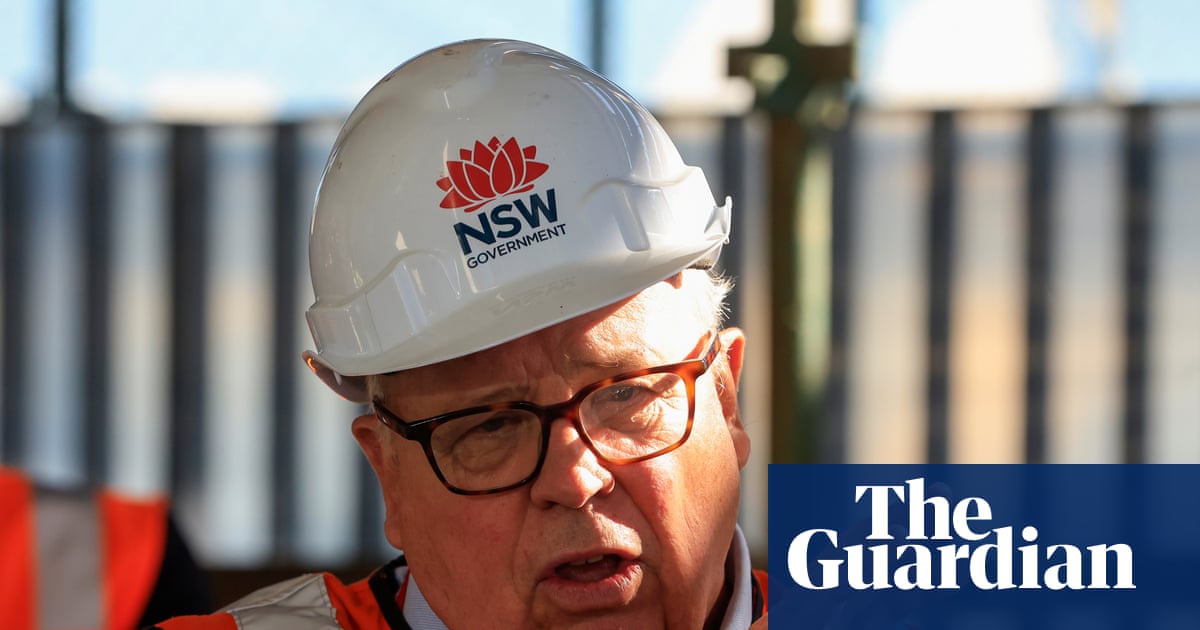
David Chandler, the former building commissioner for New South Wales, provided testimony to the Independent Commission Against Corruption detailing what he characterized as an intentional campaign to destabilize his leadership. The inquiry focuses on allegations that payments made by fugitive developer Jean Nassif to members of a conservative group known as the Reformers constituted illegal political donations aimed at influencing government outcomes, specifically the removal of Chandler from his position.
Chandler recounted a phone conversation with Nassif in April 2021, during which he alleged the developer issued direct threats. According to Chandler, Nassif warned that if the commissioner harmed his projects through regulatory actions, Nassif would retaliate against him personally. This interaction followed earlier clashes, including a face-to-face meeting in 2020 where Chandler described Nassif as loud and overbearing after ordering invasive inspections of waterproofing at a Toplace development in Botany.
The tension between the two men escalated when Chandler issued a prohibition order on the Skyview apartment complex in Castle Hill, preventing occupancy due to safety concerns. This decision came shortly after Greens senator David Shoebridge and others provided evidence of significant structural cracking in the building’s basement. Chandler noted that while he conducted hundreds of inspections during his tenure, Nassif appeared to believe he was being specifically targeted by regulatory authorities.
Following the alleged threats, Chandler banned Nassif from attending site inspections and ceased direct communication with him. However, Chandler testified that he soon became aware of a broader pressure campaign designed to undermine his credibility. He described receiving anonymous emails suggesting that payments to a specific lawyer could result in the lifting of occupancy restrictions for Toplace developments. Executives at Toplace, including Sharangan Maheswaran, raised these emails with Chandler, characterizing them as an attempted shakedown.
Chandler recommended that the matter be reported to police and initiated an internal audit within his department. Although Toplace executives did not cooperate with the subsequent inquiry, Chandler was cleared of any wrongdoing related to the extortion allegations. The counsel assisting the commission questioned whether the lack of cooperation from the developer’s side indicated a strategy to avoid scrutiny of the occupation certificate issues.
A second element of the alleged campaign involved a video clip showing Chandler speaking to construction workers about an informal list of problematic certifiers shared with banks. The Australian newspaper reported on this footage in June 2022, suggesting it contradicted previous statements Chandler made to a parliamentary committee regarding his regulatory practices. This led to another internal investigation, which again cleared Chandler but recommended he undergo additional training.
The video was also brought to the attention of Eleni Petinos, then minister for fair trading and Chandler’s superior, by Chris Spence, chief of staff to the planning minister. Both Petinos and her chief of staff, Cassandra Lawry, testified that they eventually realized they were being manipulated as part of an effort to discredit the building commissioner. None of these officials are currently listed as persons of interest in the inquiry.
Jean Nassif, who fled Australia for Lebanon in 2022, is expected to appear before the commission via video link next week. He has previously denied any wrongdoing related to the allegations. The inquiry continues to examine whether the financial flows between Nassif and figures such as Jeremy Greenwood, Christian Ellis, and Charles Perrottet were intended to secure specific regulatory outcomes, including the dismissal of Chandler.
Chandler’s testimony highlights the complex intersection of regulatory enforcement, political pressure, and alleged corruption in the construction sector. The commission is piecing together a timeline of events that suggests a coordinated effort to influence government officials through both direct intimidation and indirect reputational damage. As the investigation proceeds, the focus remains on establishing whether these actions violated electoral laws and compromised public safety standards.
The outcome of this inquiry could have significant implications for how building regulations are enforced in New South Wales and how political donations are monitored. The case underscores the challenges faced by regulatory bodies when dealing with powerful industry players who may attempt to bypass oversight through illicit means. Further testimony is expected to clarify the extent of the network involved and the motivations behind the alleged campaign.
Sources behind this briefing
Go to the original reporting
- The Guardian World↗‘If you harm my project, I’ll harm you’: former NSW official tells Icac about fugitive developer’s call

