The short version
- Michele Tafoya secured the Republican nomination for the U.S. Senate in Minnesota, defeating eight challengers including party-endorsed candidates.
- Her political platform aligns with conservative priorities on immigration and culture wars, contrasting with her previous reputation for broadcast neutrality.
- Tafoya will face Lieutenant Governor Peggy Flanagan in November, trailing slightly in early polling but benefiting from a significant fundraising surge.
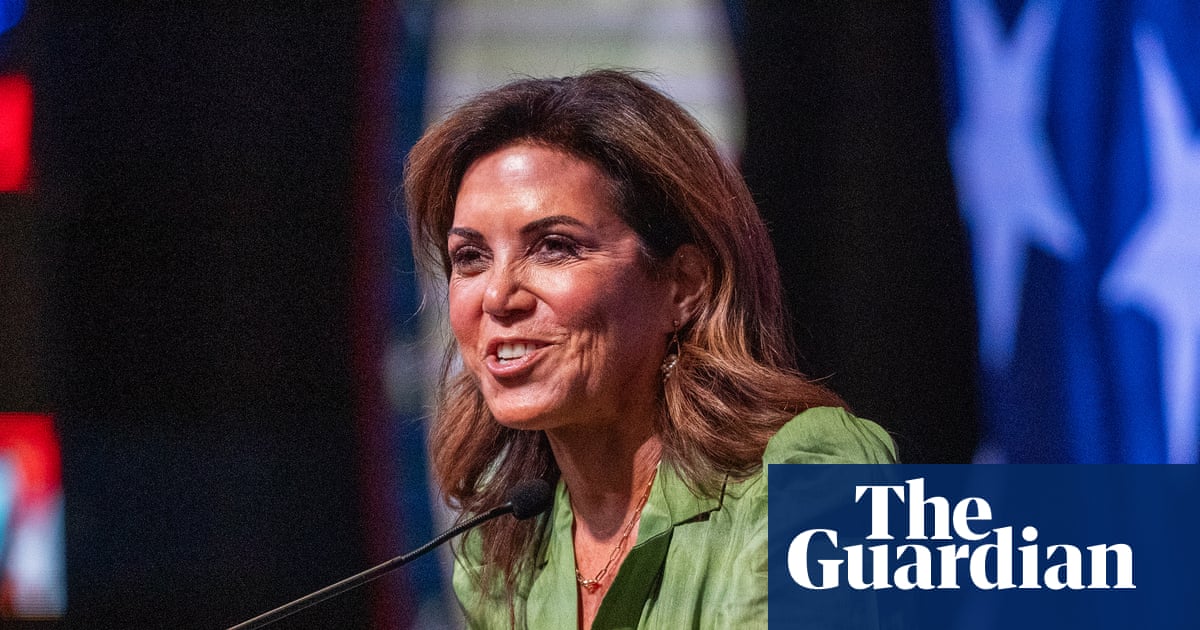
Michele Tafoya has emerged as the Republican nominee for the United States Senate seat in Minnesota, marking a dramatic pivot from her long-standing career as a neutral sideline reporter for NBC’s Sunday Night Football. The former broadcaster defeated eight opponents in the primary election, including Adam Schwarze, an ex-Navy SEAL who held the party endorsement, and Royce White, a former NBA player known for his anti-leftist commentary. This victory positions Tafoya to challenge Lieutenant Governor Peggy Flanagan in the general election this November, a contest that could reshape the political landscape of a state that has not elected a Republican senator in twenty-four years.
Tafoya’s transition from sports journalism to partisan politics represents a stark departure from her public persona during her eleven-year tenure with the NFL. Previously known for deference and an avoidance of controversy, she maintained a middle-of-the-road approach to commentary and rarely drew attention to herself or her gender. Her recent political rise suggests a deliberate rebranding, leveraging her broadcast polish and midwestern maternal image to present a conservative alternative that appeals to voters fatigued by progressive policies. This strategy aims to capitalize on perceived voter exhaustion in Minnesota, a state with a historically liberal electorate.
Despite her previous reputation for harmlessness, Tafoya’s political views align closely with the current Republican platform. She has expressed strong support for law enforcement, restrictive immigration policies, and conservative positions on cultural issues. In recent media appearances, she argued that many Minnesotans feel embarrassed by their state’s progressive reputation, claiming to have spoken with hundreds of voters who hide their origins while traveling. This narrative frames her candidacy as a corrective measure against what she describes as an overreach of liberal ideology, positioning herself as a voice for disaffected moderate and conservative voters.
The general election will see Tafoya face Peggy Flanagan, a Native American trailblazer and progressive leader who serves as lieutenant governor. Flanagan is viewed by some as a proxy for Governor Tim Walz, whom Tafoya has criticized extensively since his selection as the Democratic vice-presidential nominee in 2024. Tafoya has alleged corruption within Walz’s administration, a claim that has become a central theme of her campaign rhetoric. While Flanagan currently holds a seven-point lead in recent polling, analysts note that this advantage is not insurmountable, particularly given the competitive nature of modern Senate races and the potential for late-stage voter mobilization.
Tafoya’s path to the nomination was not without internal party friction. Adam Schwarze, who initially held the endorsement, has so far declined to endorse her candidacy following his primary defeat. Despite this lack of full unity, Minnesota Republicans appear optimistic about their chances with Tafoya as their standard-bearer. Her ability to raise funds has surged, providing her with the financial resources necessary to compete effectively against Flanagan’s well-established campaign infrastructure. This fundraising momentum suggests that party donors and grassroots supporters see viability in her unconventional background.
The shift in Tafoya’s public stance became more apparent in the years leading up to her political entry. As her time with Sunday Night Football concluded in 2021, she began appearing on cable news and talk shows, testing conservative viewpoints that contrasted sharply with her earlier neutrality. During a guest hosting stint on The View, she engaged in heated debates regarding vaccination mandates and racial accountability, pushing back against progressive arguments made by fellow panelists. These appearances served as an audition for a more partisan role, signaling her intent to move away from the apolitical image she cultivated during her sports broadcasting career.
Her subsequent media work has further solidified her conservative credentials. Tafoya has utilized podcasts and social media platforms to express strong opinions on cultural issues, including transgender participation in women’s sports. She has praised figures like J.K. Rowling and Riley Gaines for their opposition to trans athletes in female competitions, arguing that biological males do not belong in women’s locker rooms or teams. These statements, while controversial, resonate with the base of the Republican Party and help distinguish her from more moderate candidates who might struggle to mobilize conservative voters.
The upcoming general election will test whether Tafoya’s media savvy and fundraising success can translate into votes in a state that leans heavily Democratic. Her campaign relies on the premise that progressive fatigue is widespread enough to overcome traditional partisan loyalties. If successful, her victory would represent a significant upset and a validation of her strategy to blend broadcast familiarity with hardline conservative policy positions. The race will also highlight the growing influence of media personalities in political arenas, as candidates leverage their public profiles to bypass traditional political pathways.
As the campaign progresses, attention will focus on how Tafoya addresses specific policy issues beyond cultural rhetoric. Voters will look for detailed plans on healthcare, education, and economic development, areas where her previous career provided limited experience. The contrast between her polished television presence and the gritty realities of legislative work may become a focal point for debate. Meanwhile, Flanagan’s campaign will likely emphasize Tafoya’s rapid ideological shift and question her readiness to represent Minnesota’s diverse interests in the Senate.
The political dynamics in Minnesota remain fluid, with both campaigns working to define the terms of engagement. Tafoya’s ability to maintain momentum and expand her coalition beyond the Republican base will be crucial. Her previous success in sports broadcasting demonstrated an ability to connect with audiences, a skill she now applies to political persuasion. The outcome of this race could have broader implications for national politics, offering insights into the viability of media-driven candidates in traditionally safe seats for the opposing party.
Sources behind this briefing
Go to the original reporting
- The Guardian US Politics↗Michele Tafoya: from unassuming NFL sideline reporter to rightwing firebrand