The short version
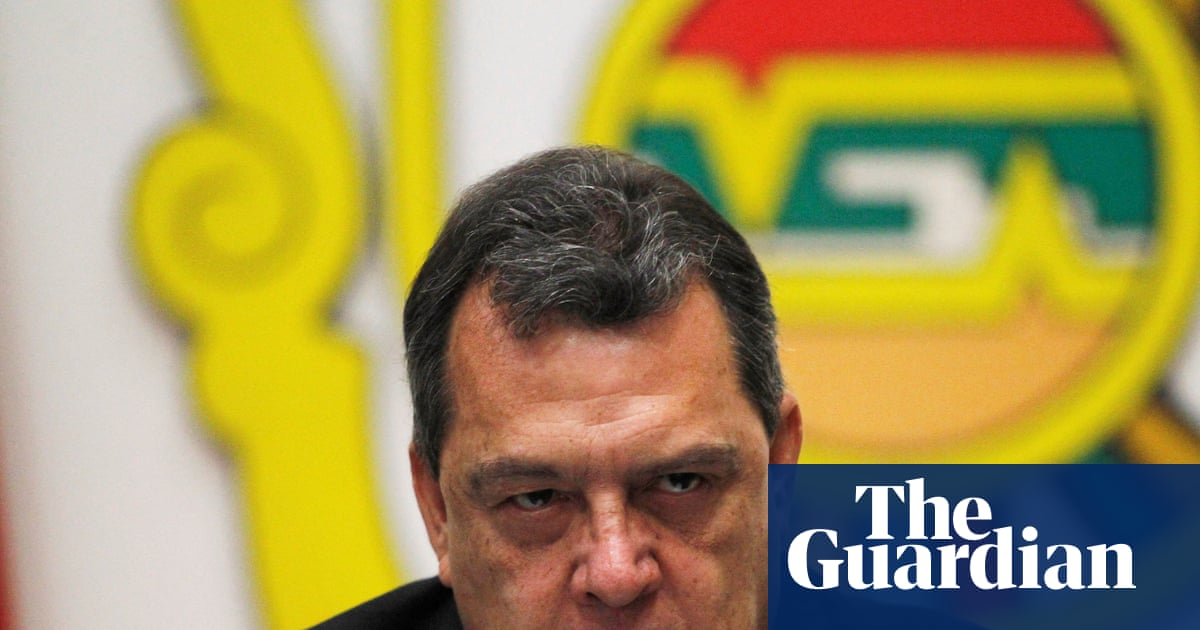
- Ángel Aguirre, former governor of Guerrero, faces formal charges for his alleged role in the 2014 disappearance of 43 students from a teacher training college.
- The indictment accuses Aguirre of ordering the destruction of surveillance footage and obstructing justice, with a judge ruling that sufficient evidence exists to hold him in maximum security prison.
- While families demand truth and accountability, only three of the missing students have been identified, leaving the fate of the remaining 40 unknown more than twelve years after their abduction.
A Mexican judge has formally charged Ángel Aguirre, the former governor of Guerrero state, with forced disappearance and obstruction of justice in connection with the 2014 vanishing of 43 students. The ruling, issued on Wednesday, determines that Mexico’s attorney general has presented adequate evidence to proceed with the case. Consequently, Aguirre is ordered to remain in a maximum security prison while awaiting trial. This legal development represents the most substantial breakthrough in the investigation since the 2022 arrest of Jesús Murillo Karam, who served as the nation’s attorney general when the students were abducted.
The charges stem from allegations that Aguirre directed the destruction of surveillance tapes that could have provided critical insights into the events of September 26, 2014. On that night, students from the Raúl Isidros Burgos teacher training college in Ayotzinapa commandeered buses in Iguala to travel to a protest in Mexico City. Before they could depart, the group was attacked by a local criminal gang operating in coordination with municipal police forces. An extensive international investigation later concluded that federal authorities, including both police and military units, were involved either through direct participation or by failing to intervene as the students were taken away.
Aguirre’s legal team has rejected the allegations of wrongdoing. Guillermo Baradas, a lawyer representing the former governor, stated that they had presented evidence showing Aguirre attended a high-level meeting at the time the videos were allegedly handed over to him. This defense suggests a lack of direct involvement in the destruction of evidence or the subsequent cover-up. Despite these denials, the judicial decision underscores the severity with which current authorities are treating the historical failures surrounding the case.
The disappearance of the Ayotzinapa students has become a potent symbol of cartel violence and government impunity in Mexico. For more than a decade, the case has haunted the nation, exposing deep-seated issues within law enforcement and judicial systems. At the time of the abduction, the government orchestrated an elaborate cover-up, attempting to shift blame exclusively onto the criminal gang and local police. This effort involved manipulating crime scene evidence and torturing suspects into providing false confessions, thereby obscuring the broader institutional involvement.
To date, the remains of only three students have been identified, leaving the fate of the other 40 unknown. The uncertainty surrounding their whereabouts continues to cause profound distress for families and advocates who have campaigned for justice for years. Meltión Ortega, a spokesperson for the group known as the 43 students, emphasized the need for transparency and accountability. He stated that victims deserve to see actual perpetrators and masterminds punished, rather than witnessing what he described as a charade often seen in serious human rights violation cases.
The current administration has signaled a renewed commitment to resolving the case. President Claudia Sheinbaum formed a specialized investigative unit last year to dig deeper into the circumstances surrounding the disappearances. She has publicly vowed to dedicate her full effort and willpower toward obtaining truth and justice for the victims. This political stance contrasts with previous approaches that many critics viewed as inadequate or obstructive, suggesting a potential shift in how the government handles historical human rights abuses.
The indictment of Aguirre highlights the ongoing struggle to hold high-ranking officials accountable for actions taken during periods of intense cartel violence. While the legal process moves forward, questions remain about whether this charge will lead to broader revelations or if it serves as a symbolic gesture without substantive impact on uncovering the full truth. The case continues to test Mexico’s judicial system and its ability to address past wrongs while navigating complex political and social dynamics.
As the trial proceeds, attention will focus on the evidence presented regarding the destruction of surveillance tapes and the chain of command that allowed such actions to occur. The outcome may influence public perception of the government’s commitment to justice and could set precedents for handling similar cases involving state complicity in human rights violations. For now, the families of the missing students await further developments, hoping that this indictment marks a genuine step toward closure rather than another delay in a long-standing quest for answers.
Sources behind this briefing
Go to the original reporting
- The Guardian World↗Former Mexican governor charged in case of 43 students who vanished in 2014

