The short version
- August Hanning, former head of Germany's foreign intelligence service, has been detained on charges of treasonous espionage and leaking classified documents.
- Prosecutors allege he used a mole to extract nearly two thousand files over twelve years to benefit his private consulting firm and potentially foreign clients.
- The arrest threatens to damage Germany's relationships with key security allies, including the United States, as agencies scramble to assess the extent of the breach.
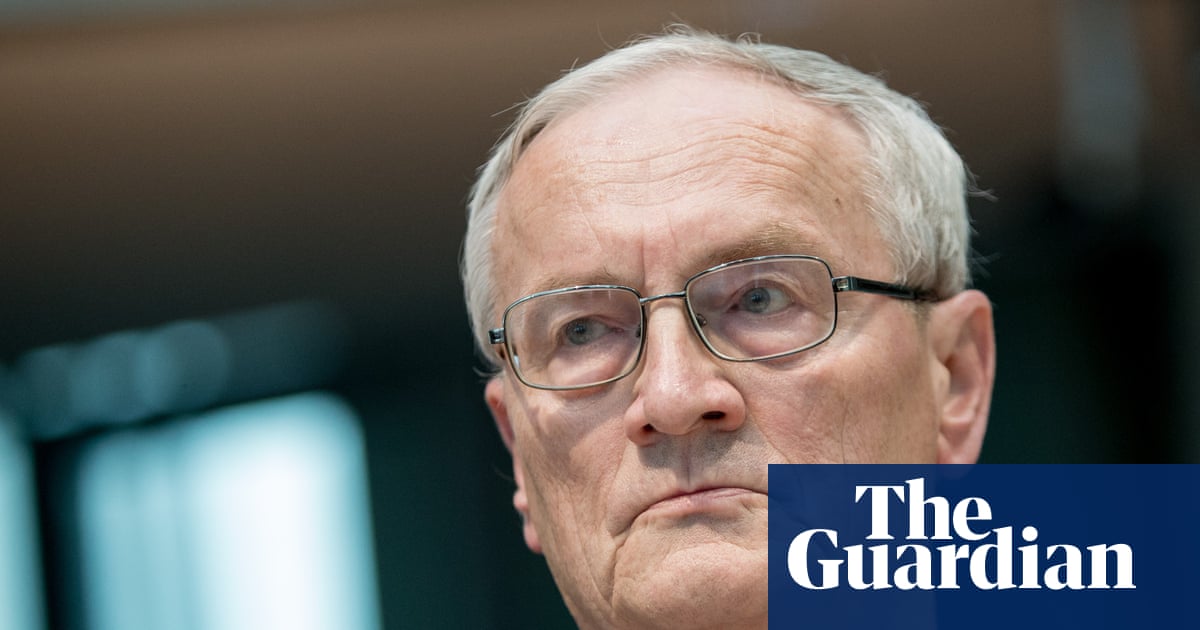
August Hanning, a former director of Germany’s Federal Foreign Intelligence Service (BND), has been taken into custody in connection with one of the most significant alleged intelligence breaches in the country’s postwar history. The eighty-year-old was removed from his estate in Nordwalde by masked commandos and placed in pretrial detention without handcuffs, marking a rare legal action against such a high-ranking official in a Western democracy. Federal prosecutors have charged him with treasonous espionage, alleging that he handed state secrets to foreign powers while exploiting intelligence for private gain.
According to authorities, Hanning allegedly orchestrated the theft of nearly two thousand documents from the BND over a twelve-year period. He reportedly used his former chief of staff, identified only as Manfred D, as an insider to spirit out the materials. Many of these files are believed to be high-level briefing papers prepared for top government officials, including the chancellor. Arndt Freytag von Loringhoven, a former BND vice-president, described the compromised material as the crown jewels of the agency, representing the most critical assessments provided by the service’s leadership.
The prosecution contends that Hanning leveraged this stolen intelligence to benefit the private consulting firm he established after retiring from public service. This business model drew sharp criticism during the week leading up to his arrest, with critics arguing it blurred the lines between public duty and private profit. While Hanning’s legal team has denied passing confidential documents to foreign entities through their statements, the allegations suggest a systematic effort to monetize state secrets. If convicted, he faces a potential prison sentence of up to ten years.
The implications of this case extend far beyond domestic legal proceedings, raising serious concerns about Germany’s standing among its international security partners. A Western official indicated that documents stolen from the BND included information related to US foreign intelligence, though the CIA has not commented on the matter. Luca Manns, a researcher at the University of Cologne, characterized the incident as a stab to the heart of the agency, warning that it could lead to a creeping erosion of partnerships rather than an abrupt break in cooperation.
Konstantin von Notz, a member of the Bundestag’s parliamentary intelligence supervisory committee, warned that the scandal has the potential to escalate into a genuine national crisis. He highlighted the devastating loss of trust that partner countries may experience, noting that Germany relies heavily on their support during an extremely tense global security situation. Dieter Bacher, a historian specializing in secret services at the University of Graz, added that the involvement of a former agency head makes the implications enormous, particularly because information from partner services was apparently involved.
The timing of the arrest coincides with heightened tensions regarding threats from Russia and China. Just weeks before Hanning’s detention, BND chief Martin Jäger testified before parliament about the dangers posed by Moscow, accusing the Kremlin of mounting a shadow war involving hybrid and drone attacks. Reports suggest Jäger was aware of the impending arrest during his testimony, which came shortly after Berlin blamed Russia for a foiled drone bomb attack. However, authorities have indicated that Russia does not appear to be the direct recipient of Hanning’s alleged espionage activities.
Speculation regarding the beneficiaries of the leaked intelligence has pointed toward Azerbaijan and China, though these claims remain unconfirmed by official sources. Der Spiegel named these nations as possible clients, noting Hanning’s board membership in the German-Azerbaijani Forum, which fosters ties with the energy transit country. Baku has denied any involvement in the espionage plot. The lack of confirmation from authorities leaves the exact nature of the foreign connections uncertain, adding to the complexity of the investigation.
Financial motives may have played a central role in Hanning’s alleged actions. He served on the supervisory board of PNB Banka, a Latvian bank that was declared insolvent in 2019. Reports indicate that Hanning and former NATO Secretary General Anders Fogh Rasmussen were held liable for up to four million euros related to the bank’s failure. Consequently, Hanning’s pension was reportedly confiscated to service this debt, potentially creating a financial pressure point that drove him to exploit his access to classified information.
As allied secret services scramble to assess the damage, the case underscores deep vulnerabilities within Germany’s security architecture. Hanning, once described as a godfather of the nation’s twenty-first-century security framework, had previously criticized domestic intelligence services as vegetarians among prowling carnivores, advocating for broader powers to protect the country. The irony of his arrest highlights the fragility of institutional trust and the severe consequences when those entrusted with national security allegedly betray it for personal or financial gain.
The coming weeks will likely see intensified scrutiny of BND protocols and oversight mechanisms. Lawmakers and security experts are calling for reforms to prevent similar breaches, emphasizing the need for stricter controls on former officials’ access to sensitive information. Until then, the full extent of the compromise remains unclear, leaving German intelligence agencies and their partners to navigate a period of uncertainty and diminished confidence in the integrity of shared intelligence channels.
Sources behind this briefing
Go to the original reporting
- The Guardian US↗‘Stab to the heart’: arrest of German ex-spymaster sparks calls for reform