The short version
- Judge Nusrat Choudhury ruled Michael Jeffries competent to stand trial after a four-month hospitalization at a federal prison medical facility.
- The defense had argued that progressive dementia and traumatic brain injury rendered Jeffries unfit, but the court found he understands courtroom procedures and legal concepts.
- Jeffries is scheduled to face charges alongside two co-defendants in late October, accused of using modeling promises to facilitate sex trafficking.
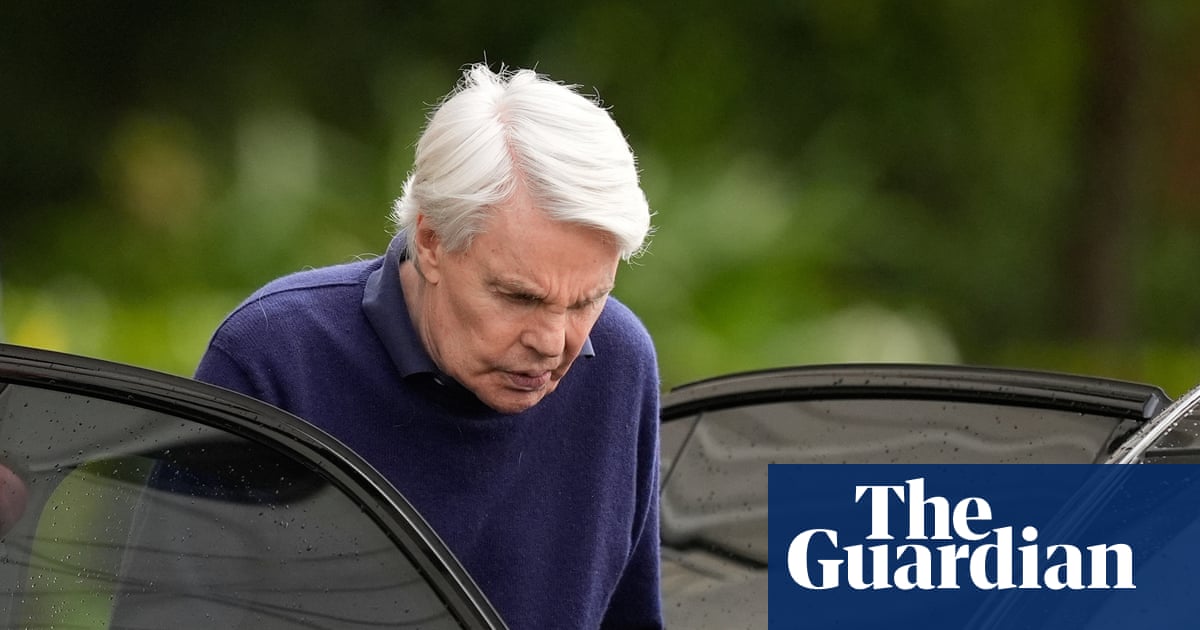
A federal judge has determined that Michael Jeffries, the former chief executive officer of Abercrombie & Fitch, possesses the mental capacity to stand trial on serious federal charges. The ruling resolves a significant procedural hurdle in a case that has drawn attention for its allegations of sexual misconduct and trafficking involving high-profile figures. Jeffries, who is 82 years old, had been hospitalized for several months due to concerns regarding his cognitive health, specifically symptoms associated with dementia and Alzheimer’s disease.
US District Judge Nusrat Choudhury issued her decision following a review of medical testimony and written reports from experts. She also examined hours of recorded phone calls Jeffries made while in custody to his romantic partner, legal counsel, and other contacts. In her assessment, the judge concluded that Jeffries demonstrates a rational and factual grasp of the ongoing proceedings. She described him as a reasonably intelligent individual with strong communication skills, noting that his interactions indicated an understanding of the criminal justice system’s structure.
The defense team had vigorously contested Jeffries’ fitness to proceed. His attorneys argued that he suffers from Alzheimer’s disease, Lewy body dementia, and a traumatic brain injury, conditions they characterized as progressive and incurable. They presented medical experts who testified that Jeffries would not regain competency and required constant care to manage his cognitive decline. This argument prompted the court to order his transfer to a federal prison hospital in Butner, North Carolina, for an extended evaluation period.
After approximately four months at the facility, federal prison officials determined that Jeffries was mentally fit to stand trial. Judge Choudhury’s ruling reinforced this finding, stating that Jeffries comprehends courtroom procedures, the roles of various participants, and key legal concepts essential to his defense. The decision allows the case to move forward toward its scheduled trial date in late October, despite the defense’s earlier objections regarding his health status.
Jeffries is not facing these charges alone. He is scheduled to be tried alongside two co-defendants: Matthew Smith, identified as his partner, and James Jacobson, a staffer. All three individuals have entered pleas of not guilty to federal charges that include sex trafficking and interstate prostitution. The prosecution alleges that the trio exploited the promise of modeling opportunities to lure men into drug-fueled sexual encounters in New York City, the Hamptons, and other locations.
The criminal proceedings echo a series of civil lawsuits and media reports that have emerged in recent years regarding Jeffries’ conduct. These earlier accounts detailed allegations of sexual misconduct and exploitation, which contributed to his eventual departure from Abercrombie & Fitch in 2014. Jeffries had spent more than two decades leading the company, during which time he transformed it from a retailer of wilderness gear into a dominant force in teen mall culture through its distinctive preppy aesthetic and provocative marketing strategies.
Jeffries remains free on bond while awaiting trial. His legal team has declined to comment on the judge’s ruling, stating that all related issues will be addressed within the courtroom rather than through media channels. A pretrial hearing was scheduled for Thursday, marking another step in the complex legal process. The case continues to highlight the intersection of corporate legacy and serious criminal allegations.
The outcome of this trial could have significant implications beyond the immediate defendants. It may influence how similar cases involving high-profile individuals and allegations of trafficking are handled in federal courts. Additionally, it serves as a postscript to Jeffries’ controversial tenure at Abercrombie & Fitch, a period that defined a specific era of American retail culture. The legal system’s determination of his competency ensures that the jury will hear evidence regarding the alleged crimes, regardless of his medical history.
As the trial date approaches, attention remains focused on the evidence prosecutors intend to present. The allegations involve coordinated efforts across multiple locations, suggesting a pattern of behavior that extends beyond isolated incidents. The defense strategy is expected to challenge these narratives, potentially leveraging Jeffries’ age and health issues as contextual factors, even if they do not preclude trial. The coming months will reveal how the court balances these competing interests.
This development underscores the rigorous standards applied in federal competency hearings. Judges must carefully weigh medical evidence against observed behavior to determine if a defendant can assist in their own defense. In this instance, the court found that Jeffries’ cognitive abilities, while potentially diminished, remain sufficient for him to participate meaningfully in his trial. The decision reflects a commitment to due process while ensuring that serious charges are adjudicated.
Sources behind this briefing
Go to the original reporting
- The Guardian US↗Former Abercrombie CEO mentally fit for sex-trafficking trial, judge says

