The short version
- Republican Ashley Moody defeated Democratic socialist Angie Nixon in Florida's special Senate election.
- The race served as a test of whether Democrats could regain ground in a state with a massive Republican registration advantage.
- Moody will serve the remainder of the term until the next general election cycle in 2028.
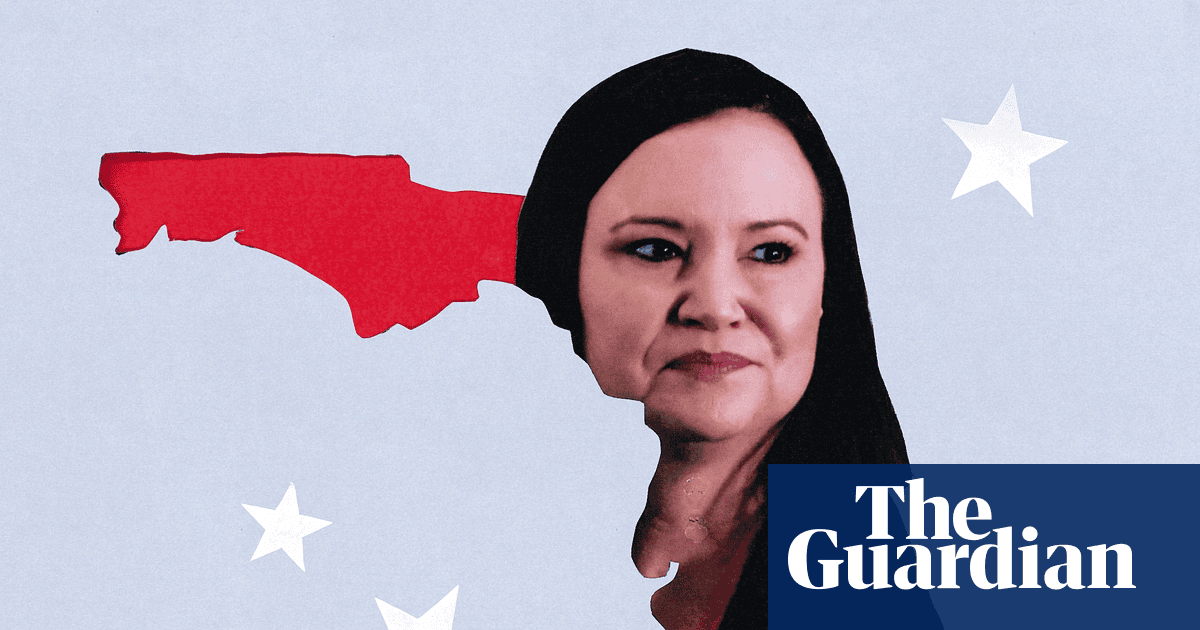
Ashley Moody has secured victory in Florida’s special United States Senate election, fending off a determined challenge from Angie Nixon. The outcome confirms that the state remains firmly within the Republican column for now, despite efforts by national progressive figures to shift the political landscape. Moody, who was appointed to the seat in January 2025 following Marco Rubio’s departure to serve as secretary of state, will now hold the position through the end of the current term, which concludes in 2028.
The contest was widely viewed as a critical indicator of Florida’s political trajectory. For over a decade, Democrats have been shut out of statewide races in the Sunshine State, leading to a significant erosion of their influence. Recent data showed Republicans holding a registration advantage of approximately 1.5 million voters. This election offered a chance to see if that structural dominance could be breached or if the party’s grip remained unshaken.
Polling conducted in the weeks leading up to the vote suggested Moody held a clear, albeit narrow, lead. Nixon attempted to close this gap by mobilizing support from prominent figures within the progressive wing of the Democratic Party. The campaign saw high-profile visits from Senator Bernie Sanders and Representative Alexandria Ocasio-Cortez, who rallied with Nixon in central Florida. This region is notable for its large immigrant population and has become a focal point for dissatisfaction with federal immigration enforcement.
The backdrop of the campaign included widespread unpopularity regarding the Trump administration’s strict detention and deportation policies. These issues resonated strongly in areas with high immigrant density, providing Nixon with a potential avenue to energize voters who might otherwise remain disengaged or lean Republican. However, despite the national attention and the presence of well-known progressive leaders, these efforts were insufficient to overturn Moody’s advantage.
Moody’s campaign strategy centered on characterizing her opponent through the lens of ideological extremism. She frequently denounced Nixon as a socialist, arguing that her affiliation with the Democratic Socialists of America indicated support for radical policy changes. These claims included assertions that Nixon sought to defund law enforcement and the military, abolish the prison system, and permit noncitizen voting. This framing aimed to paint Nixon as out of step with mainstream Florida values.
Conversely, Nixon focused her messaging on economic affordability and political integrity. She repeatedly highlighted Moody’s tenure as Florida’s attorney general, specifically referencing the controversy surrounding the diversion of a $10 million Medicaid payout to political committees under Governor Ron DeSantis’s administration. This incident, often referred to in local discourse as the Hope Florida scandal, provided Nixon with a concrete example of alleged corruption to contrast against Moody’s record.
One of the most memorable moments of the campaign occurred during an interview where Nixon expressed her desire to see Moody incarcerated, stating she did not want to abolish prisons because she wanted her opponent in one. This remark went viral, drawing significant media attention and illustrating the heated nature of the personal attacks exchanged between the two candidates. It underscored the intensity of the race and the deep divisions within the electorate.
While Moody endorsed the administration’s immigration stance, she largely avoided direct praise for President Trump. This tactical decision appeared to be a response to the president’s low approval ratings regarding specific issues such as the conflict in Iran and rising gasoline prices. By distancing herself slightly from the most unpopular aspects of the national Republican agenda, Moody may have mitigated potential backlash among moderate voters.
The result suggests that while Democrats have made efforts to restore Florida’s status as a competitive battleground, they have not yet succeeded in overcoming the state’s current partisan imbalance. The special election did not produce the upset many progressive strategists had hoped for. Instead, it reinforced the existing political order, leaving Republicans in control of the Senate seat and maintaining their broader dominance in statewide contests.
Looking ahead, the focus will shift to the 2028 general election cycle. Moody’s victory ensures Republican representation in Washington for the remainder of this term, but the underlying tensions regarding affordability, immigration, and political corruption remain unresolved. These issues are likely to continue shaping Florida’s political discourse as both parties prepare for future electoral battles.
Sources behind this briefing
Go to the original reporting
- The Guardian World↗Republican Ashley Moody defeats progressive Angie Nixon in Florida Senate race


