The short version
- Philip Sullivan was sentenced to nearly ten years in prison for grand theft charges related to embezzling over $1.4 million from a real estate firm.
- Sullivan served as the director of Florida’s gambling addiction helpline after his conviction, framing the role as part of his recovery journey.
- The case highlights the complex intersection of severe gambling disorder, professional misconduct, and the challenges of rehabilitation within public service roles.
A Florida man who led the state’s primary hotline for gambling addiction has been sentenced to nearly ten years in prison after pleading no contest to felony charges involving the theft of more than $1.4 million from his former employer. Philip Sullivan, 43, was adjudicated guilty by Bay County Judge Timothy Register on October 16, marking a stark conclusion to a legal saga that intertwined his personal struggle with compulsive betting and his professional attempts at redemption.
Sullivan previously served as the chief financial officer for Royal American, a real estate company based in Panama City Beach. Authorities charged him in March 2024 following an internal audit that uncovered numerous unauthorized transactions on company credit cards. The investigation revealed that Sullivan had siphoned funds to bankroll his gambling habits, leading to half a dozen felony counts of grand theft. Court records indicate he was ordered to pay restitution as part of the sentencing.
The timeline of Sullivan’s career and legal troubles presents a complex narrative of relapse and recovery efforts. After his employment with Royal American ended, Sullivan took on a new role in March 2025 as the director of 888-Admit-It, the hotline operated by the Florida Council on Compulsive Gambling. He described this position as an opportunity to rebuild his life and make amends for his past actions, leveraging his own experiences to assist others facing similar financial and emotional devastation.
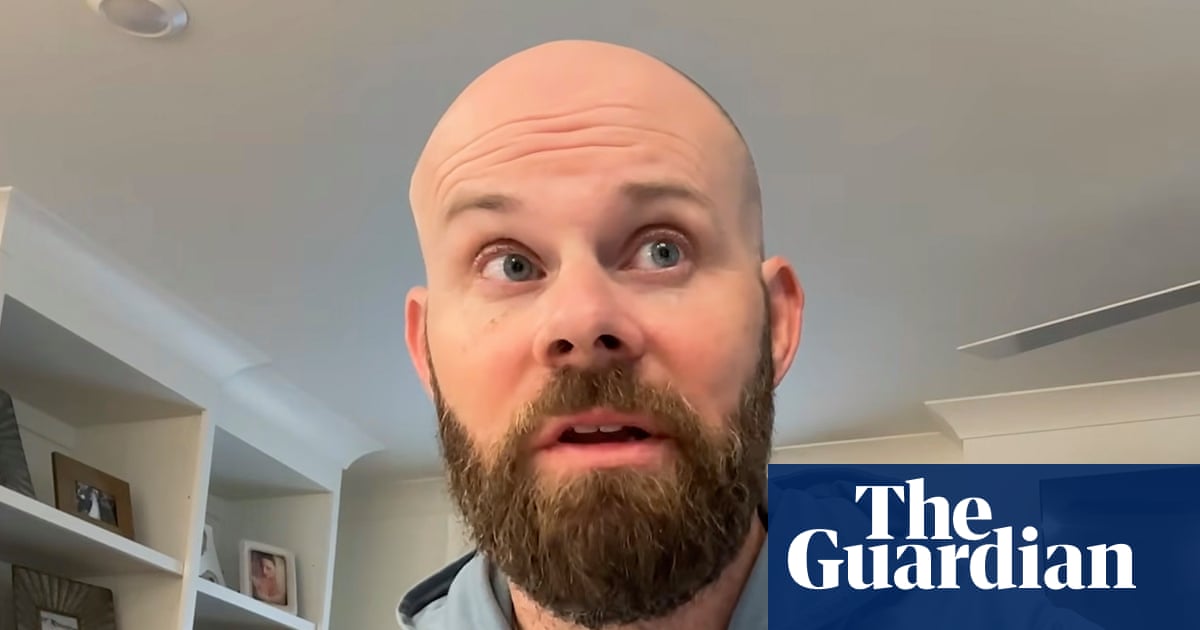
In a podcast appearance shortly before his sentencing, Sullivan discussed the profound impact of his work at the helpline. He noted that he had spoken with more than 460 individuals struggling with gambling issues, a responsibility he said gave him a sense of purpose he had never experienced before. He acknowledged the difficulty of confronting the pain caused by addiction while managing his own history, emphasizing how hearing others’ stories reinforced the severity of the problem.
Character witnesses presented during the proceedings attributed Sullivan’s descent into criminal behavior to a gambling addiction that intensified after he was prescribed Adderall, a pharmaceutical stimulant. Sullivan recounted on the podcast how his betting escalated from small wagers of $25 to stakes as high as $50,000 at a time. He estimated that he lost more than $2 million through gambling activities, a figure that underscores the scale of his financial desperation and the subsequent theft from his employer.
The sentencing hearing also touched on the personal toll the case has taken on Sullivan’s family. He expressed gratitude for his wife’s support throughout the legal process and discussed the difficult task of preparing their two sons, aged 12 and six, for his impending incarceration. Sullivan became emotional while describing the need to ensure his children would not face uncertainty about his whereabouts on the day of the sentencing, highlighting the human cost of his actions beyond the financial losses.
Sullivan was remanded into state custody immediately following the hearing to begin serving his sentence of nine years and eight and a half months. He received credit for 40 days he spent in jail between his initial charging and the posting of bail. Court records confirm that he has 30 days to file an appeal against the sentence. The Guardian has sought comment from Sullivan’s legal representation regarding the verdict and its implications.
This case occurs against a backdrop of rising concerns about gambling disorder in the United States. The National Council on Problem Gambling estimates that approximately 2.5 million adults annually meet the criteria for severe gambling problems, with an additional 5 to 8 million experiencing mild to moderate issues. As commercial casinos and online betting platforms continue to expand into multibillion-dollar industries, cases like Sullivan’s raise questions about how society supports individuals struggling with addiction while holding them accountable for criminal behavior.
The juxtaposition of Sullivan’s role as a helpline director and his conviction for grand theft illustrates the nuanced challenges in addressing compulsive gambling. While he sought to use his platform to help others, the court determined that his actions warranted significant punitive measures. The outcome serves as a reminder of the severe consequences of embezzlement, even when motivated by underlying health issues such as addiction.
As Sullivan begins his prison term, the Florida Council on Compulsive Gambling will need to address the leadership vacuum left by his departure. The incident may also prompt broader discussions within the organization and the state about vetting processes for staff in sensitive roles. For now, the focus remains on the legal resolution of the case and the ongoing efforts to support those affected by gambling-related financial ruin.
Sources behind this briefing
Go to the original reporting
- The Guardian US↗Florida gambling helpline director sentenced to nearly 10 years over $1.4m theft to fund addiction


