The short version
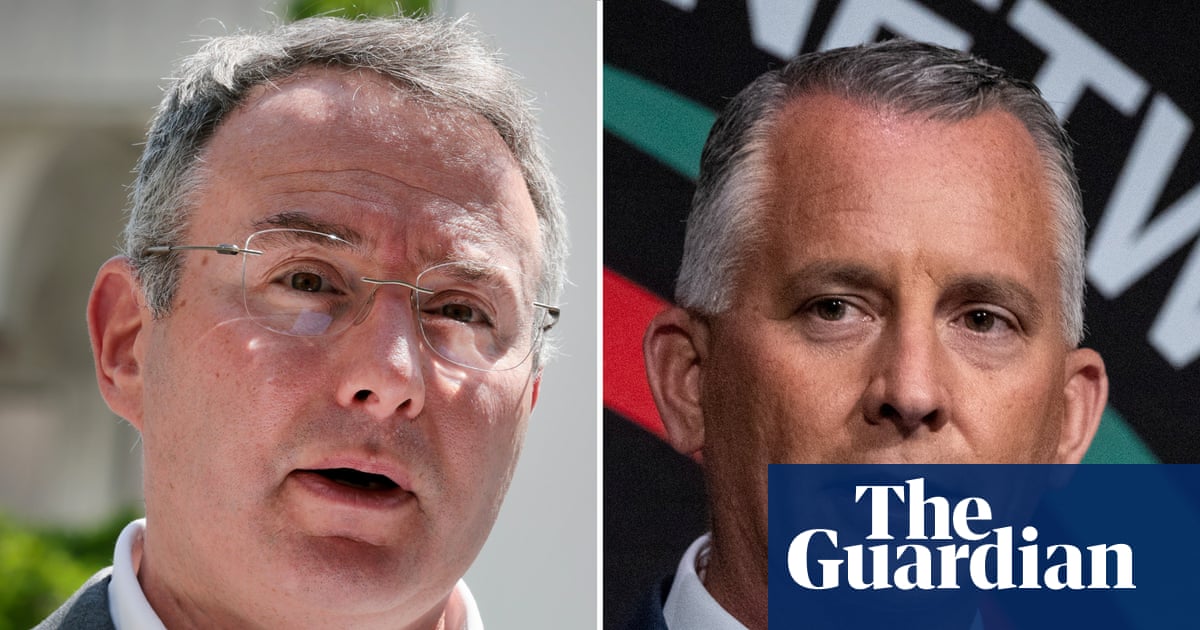
- Moderate Democratic frontrunners Alex Vindman and David Jolly are leading their respective primary fields by emphasizing traditional values rather than progressive policies.
- Republican Byron Donalds leads the governor’s race but faces criticism from rivals who portray him as an out-of-touch Washington elite disconnected from local economic struggles.
- Political analysts note that Florida’s electorate remains predominantly moderate to conservative, making the progressive strategies successful in other states ineffective in this region.
The political landscape in Florida diverges sharply from recent primary outcomes in states like New York, Minnesota, and Michigan. While those contests featured intense battles between progressive and moderate factions over the direction of the Democratic Party, Tuesday’s elections in Florida presented a different dynamic. In a state that has shifted from swing status to reliably Republican in recent years, moderate candidates are heavily favored to secure their party nominations for both the Senate and governor races.
Alex Vindman, a retired Army lieutenant colonel and former impeachment witness against Donald Trump during his first term, leads the Democratic field for the Senate seat. He is running against state representative Angie Nixon. Vindman’s campaign strategy, branded as “Florida First,” prioritizes establishment issues such as economic stability, social security protection for seniors, and reducing corruption in Washington. He has positioned himself as a candidate capable of appealing to traditional Republicans who feel alienated by the current political climate.
Vindman explicitly distances his platform from the progressive liberalism that resonated with voters elsewhere. He noted that his approach includes holding a concealed carry permit and owning handguns, signaling a departure from standard Democratic fare. His goal is to build a broad coalition that includes independents and disgruntled Republicans, aiming to challenge Republican incumbent Ashley Moody, who was appointed by Ron DeSantis in January 2025 after Marco Rubio’s elevation to secretary of state.
In the race for governor, former Republican congressman David Jolly, who switched parties last year, is the prominent figure in a crowded Democratic field. Jolly believes his moderate credentials are essential for success in Florida. He has stated he does not plan to reverse DeSantis’s ban on transgender girls and women participating in female sports teams at public schools and universities. This stance contrasts with the pro-diversity positions adopted by progressive victors in other states, such as Michigan’s Abdul El-Sayed.
Despite Jolly’s moderate positioning, his Republican opponent Byron Donalds has characterized him as a radical liberal in attack advertisements. Donalds, a Trump-aligned congressman and the clear favorite for the Republican nomination, faces challenges from several rivals, including Jay Collins, DeSantis’s lieutenant governor. Collins has attempted to frame Donalds as an absentee Washington elite by emphasizing his own connection to working-class life, stating that he performs manual labor like mowing his yard and filling his truck with gas.
Other Republicans in the governor’s race include James Fishback, a far-right candidate who has faced difficulties during the primary campaign, and Paul Renner, the former speaker of the Florida House. Renner, a legislative ally of DeSantis, has declined to endorse any primary candidate. Polling indicates that Donalds is close to securing 50 percent of the vote, while his rivals trail significantly at 15 percent or lower.
Political analysts attribute the success of moderate candidates in Florida to the state’s long-standing political culture. Aubrey Jewett, a professor of political science at the University of Central Florida, noted that roughly 40 percent of Floridians identify as moderate and another 40 percent as conservative. Only about 20 percent identify as liberal. This demographic reality suggests that there is insufficient support for progressive or socialist platforms to drive a wholesale ideological swing in the state.
While there is some voter dissatisfaction with Donald Trump and Ron DeSantis, who is soon to leave office, this discontent does not appear strong enough to shift the electorate toward more liberal policies. Instead, candidates on both sides are focusing on practical concerns such as property costs, insurance premiums, gas prices, and grocery expenses. The primary results underscore a strategic adaptation to Florida’s conservative leanings, where moderate appeals prove more effective than progressive rhetoric.
The closed primary system in Florida means only voters who have declared party affiliation can participate in selecting nominees. However, candidates like Vindman and Jolly are already looking beyond the primary electorate, aiming to court independents and Republicans in the general election. Their strategies reflect a recognition that winning in Florida requires balancing traditional values with pragmatic policy solutions, rather than adhering to the progressive trends seen in other parts of the country.
Sources behind this briefing
Go to the original reporting
- The Guardian US Politics↗Top Democrats tussle in Florida primary but progressive liberalism not on menu