The short version
- Political candidates from both major parties are increasingly opposing Flock Safety cameras in midterm races.
- The backlash reflects broader voter concerns about artificial intelligence and data privacy in public spaces.
- Law enforcement agencies defend the technology as essential for solving crimes, while critics cite constitutional risks.
A growing number of candidates in the upcoming midterm elections are making opposition to Flock Safety cameras a central component of their platforms. This shift marks a significant development in how voters perceive the intersection of technology and civil liberties. Candidates from both Democratic and Republican parties are voicing concerns about the widespread deployment of these automated surveillance devices. The issue has moved beyond niche privacy circles to become a mainstream political topic, reflecting deeper anxieties about corporate power and government oversight.
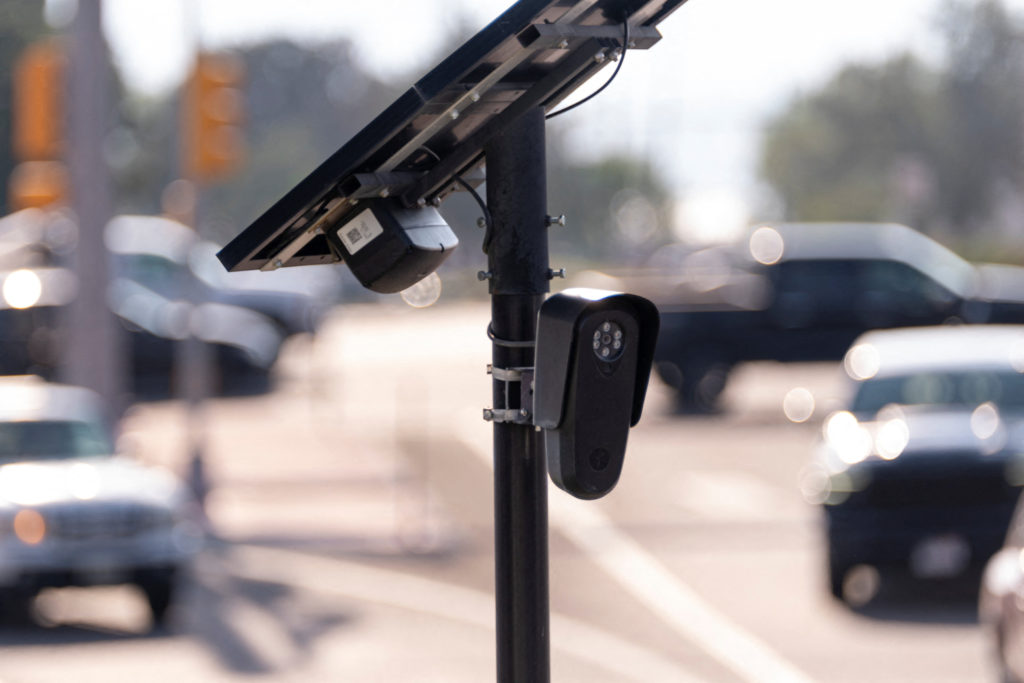
Flock Safety operates a nationwide network of cameras that use artificial intelligence to record license plates and other vehicle characteristics. These systems allow law enforcement agencies to search and share data on passing vehicles without individual warrants. The company, based in Atlanta, claims its technology is active in thousands of communities across every state except Alaska. Police departments frequently cite the cameras as valuable tools for combating crime and locating missing persons. However, critics argue that the pervasive nature of this surveillance infringes on constitutional rights by enabling mass monitoring without judicial oversight.
In Wisconsin, the gubernatorial race has seen intense debate over the technology. Democratic nominee David Crowley highlighted his previous executive order limiting camera use in Milwaukee County. He pledged to implement stricter transparency laws if elected, aiming to prevent what he described as spying on residents. His Republican opponent, Tom Tiffany, proposed pausing state funding for the cameras and establishing a task force to review privacy protections. The exchange revealed sharp divisions within both parties regarding the appropriate balance between public safety and individual privacy.
Pennsylvania’s gubernatorial contest also features strong opposition from both sides. Democratic incumbent Josh Shapiro announced support for a statewide ban on the cameras. His Republican challenger, Stacy Garrity, echoed this stance, describing the devices as an intrusive invasion of privacy. This bipartisan alignment suggests that voter sentiment may be shifting against unchecked surveillance technologies. The convergence of views in Pennsylvania indicates that traditional party lines are less relevant when it comes to concerns about digital privacy and corporate influence.
Other states have seen similar developments. In Texas, Democratic Senate candidate James Talarico declared that Flock cameras have no place in the state. Meanwhile, a Michigan congressional candidate labeled the technology un-American. A Florida Senate candidate has even begun selling merchandise opposing the cameras. These actions demonstrate how grassroots activism and public concern are translating into tangible political pressure. Candidates appear to be responding to a broader cultural backlash against powerful technology firms and their expanding role in daily life.
Flock Safety has defended its operations, emphasizing the positive outcomes associated with its technology. Company representatives state that their systems have helped solve approximately one million crimes and reunite thousands of missing people with their families. They urge policymakers and voters to consider these facts before implementing bans or restrictions. The company argues that safeguards are already in place and that communities should work collaboratively to establish rules rather than outright prohibiting the technology. This perspective highlights the tension between perceived benefits and potential abuses.
Legal challenges and media investigations have contributed to the rising scrutiny of Flock cameras. Litigation is ongoing regarding constitutional questions related to their use. News reports have documented instances where officers misused the technology to stalk personal connections. These cases have fueled public distrust and provided ammunition for critics who argue that the system lacks adequate accountability. The combination of legal battles and negative publicity has intensified the debate, making it difficult for proponents to dismiss concerns as mere speculation.
The controversy extends beyond individual states, influencing national discussions about artificial intelligence and data privacy. Activists have played a crucial role in raising awareness about the implications of widespread surveillance. Their efforts have resonated with voters who are increasingly wary of how their personal information is collected and used. As the election approaches, candidates will likely continue to address this issue, recognizing its potential to mobilize voters concerned about civil liberties. The outcome of these debates could shape future policies on technology regulation and law enforcement practices.
Rhode Island offers another example of political maneuvering around Flock cameras. Governor Dan McKee paused the installation of new units shortly before the primary election, citing privacy and transparency issues. His opponent questioned the timing of this decision but agreed that a review was necessary. This dynamic illustrates how even moderate approaches to surveillance can become contentious during campaigns. The pause in installations signals a willingness among some leaders to reconsider existing contracts and practices in light of growing public skepticism.
Looking ahead, the resolution of these disputes will depend on legislative action and judicial rulings. States may adopt varying standards for camera usage, creating a patchwork of regulations across the country. Federal involvement remains uncertain but could emerge if constitutional challenges gain traction. Voters will ultimately decide whether they prioritize enhanced law enforcement capabilities or stronger privacy protections. The ongoing debate underscores the complex relationship between technological innovation and democratic values in modern America.
Sources behind this briefing
Go to the original reporting
- PBS NewsHour↗Flock cameras become midterm campaign target as voters balk at tech companies' power

