The short version
- A forested island approximately one hectare in size was confirmed by satellite imagery to have drifted roughly thirty kilometers from its initial sighting location in Williston Lake.
- Officials attribute the phenomenon to rising water levels lifting a mass of accumulated driftwood and vegetation that had formed along the reservoir's shoreline over many years.
- Authorities are urging the public to avoid approaching or landing on the structure, citing significant safety risks due to its unstable foundation of decaying logs and thin soil layers.
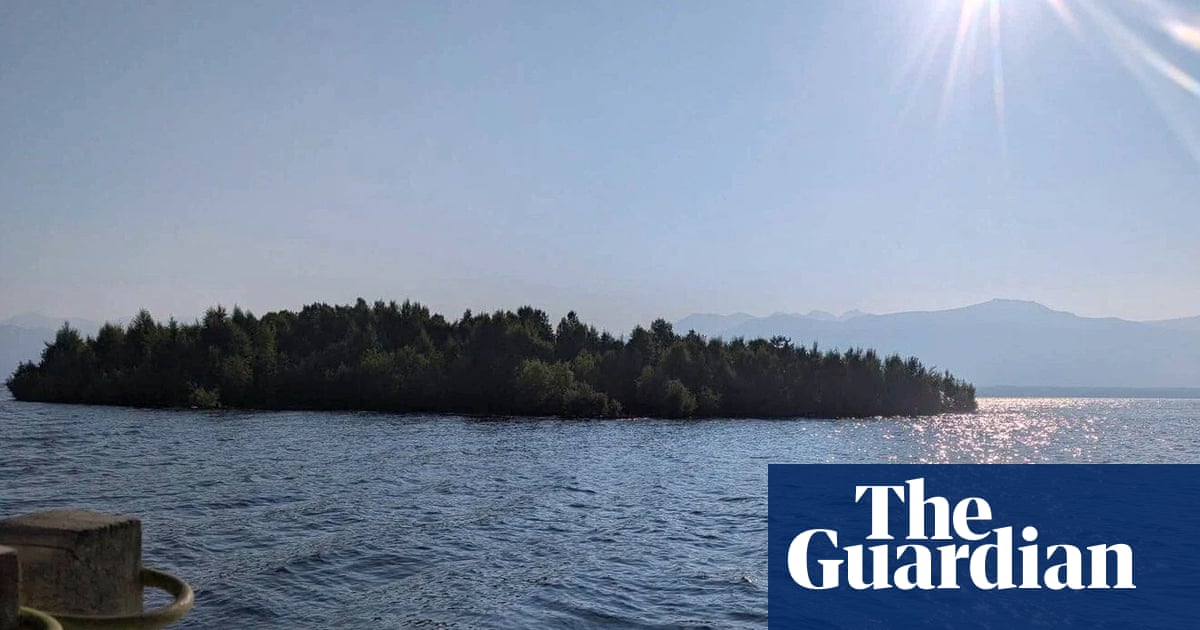
A mysterious, forested landmass that captured global attention after appearing in the middle of a British Columbia reservoir has been located again, resolving questions about its sudden disappearance from satellite tracking. The island, which measures approximately one hectare or roughly the size of one and a half American football fields, was first identified in early August by boaters who recorded video of the structure bobbing in the water. Initial confirmation came via satellite imagery from late July, but subsequent images taken in early August showed the landmass had vanished from its original position, leading to speculation that it might have sunk or drifted into an unmonitored corner of the vast lake.
Officials from BC Hydro, the government-owned utility responsible for managing the Williston Reservoir and the nearby W.A.C. Bennett Dam, have now confirmed the island’s new location. It has drifted approximately thirty kilometers, or nearly twenty miles, toward the shoreline. This movement was verified through updated satellite data and corroborated by eyewitness accounts from pilots flying over the area. The discovery ends a period of uncertainty that began when the landmass seemingly disappeared from view just weeks after its initial detection in the remote northern part of the province.
The formation is believed to be a natural accumulation of woody debris, peat, mud, and roots that built up along sheltered sections of the reservoir’s banks over many years. Trees and plants took root in this decaying organic matter, creating a dense, self-sustaining ecosystem capable of supporting birds and small mammals. Experts suggest that the island broke free from the shoreline this summer due to unusually high water levels in the Peace River and the lake itself. These elevated levels, driven by heavy winter snowpacks and consistent summer rainfall, have not been seen in fourteen years, providing the buoyancy necessary to lift the massive structure into open water.
When the phenomenon first emerged, skepticism was widespread among both the public and officials. Bob Gammer, a spokesperson for BC Hydro, initially dismissed viral videos of the island as potential artificial intelligence-generated content or hoaxes given the surreal nature of a floating forest. However, the verification process moved quickly once satellite imagery confirmed the physical presence of the landmass in mid-July. The confirmation transformed the incident from an internet curiosity into a documented environmental event, highlighting how modern technology can both obscure and clarify unusual natural occurrences.
Similar floating islands exist elsewhere in North America, most notably the Forty Acre Bog on Lake Chippewa in Wisconsin. That structure is composed of peat bogs that detached from the lakebed and float to the surface, supporting diverse wildlife including frogs and salamanders. While the Wisconsin bog is legally protected and occasionally managed by local boaters to prevent it from drifting into infrastructure, the British Columbia island remains largely unmonitored due to its remote location. The comparison underscores that while such events are rare, they are not unprecedented in regions with significant freshwater bodies and organic shoreline accumulation.
Despite the fascination surrounding the island’s reappearance, safety concerns remain paramount. BC Hydro has issued strong warnings against any attempts to land on or approach the structure closely. Video footage shows the trees swaying significantly in the wind, indicating that the foundation consists of a delicate, thin layer of logs rather than solid ground. Gammer emphasized that the outer sections are particularly shaky and that the entire mass could break apart under weight. The instability is attributed to the hydroponic-like growing conditions, where trees feed on decaying matter beneath the water line, creating a structure that is visually impressive but physically fragile.
The incident has also drawn attention to the broader environmental conditions affecting the region. The reservoir, which covers nearly 1,700 square kilometers, serves as a critical component of the province’s hydroelectric infrastructure. The high water levels that facilitated the island’s detachment are part of a larger pattern of increased precipitation and snowmelt in the area. While these conditions benefit energy production by filling reservoirs, they also alter shoreline dynamics, potentially leading to more frequent instances of vegetation displacement. Local residents have expressed mixed reactions, with some viewing the event as a unique natural spectacle and others concerned about potential navigation hazards.
As for the future of the floating island, it is unclear how long it will remain intact or where it may drift next. The root systems within the water column may provide enough stability to keep the trees alive for years, allowing the forest to continue growing despite its mobile base. However, without active management or intervention, the structure remains subject to wind currents and water flow. Officials plan to monitor the situation through periodic satellite checks but do not anticipate immediate action unless the island poses a direct threat to navigation or infrastructure. The event serves as a reminder of the dynamic and often unpredictable nature of freshwater ecosystems in changing climatic conditions.
Public interest in the phenomenon has been amplified by social media, where videos of the island circulated widely before official confirmation. Some online commentary linked the unusual occurrence to broader political tensions, including recent trade disputes between Canada and the United States, though these connections are speculative and unrelated to the physical causes of the event. The primary focus for authorities remains on ensuring public safety and understanding the environmental factors that led to the island’s detachment. As the structure settles near the shore, it offers a rare opportunity to study how organic landmasses form, move, and sustain life in aquatic environments.
The case of the Williston Lake island highlights the intersection of natural processes, technological observation, and public curiosity. While the initial disappearance sparked intrigue and doubt, the subsequent reappearance provided clarity on the mechanics of floating vegetation mats. For scientists and environmental managers, such events offer valuable data on shoreline erosion, water level impacts, and ecosystem resilience. For the general public, it remains a striking example of nature’s capacity to produce unexpected and visually compelling phenomena in familiar landscapes.
Sources behind this briefing
Go to the original reporting
- The Guardian US↗‘Unbelievable’: how a tiny island in Canada appeared, vanished, and reappeared miles away
- BBC Science & Environment↗How a small island in Canada appeared, vanished, and was found again

