The short version
- Curators at the National Museum of Norway have reattributed an unmarked still life to Clara Peeters, a key figure in early Flemish baroque art.
- The identification relied on material analysis of the wood panel and compositional similarities to other verified works by the artist.
- The painting will feature prominently in an upcoming exhibition dedicated to women artists from northern Europe and Italy between 1550 and 1650.
A significant correction to the canon of European art history has emerged from the storage vaults of the National Museum of Norway in Oslo. A still life painting, previously categorized as anonymous and largely forgotten for over a century, has been officially reattributed to Clara Peeters. This Flemish baroque artist was one of the earliest and most influential practitioners of the still life genre, yet her contributions have often been obscured by historical biases that favored male contemporaries.
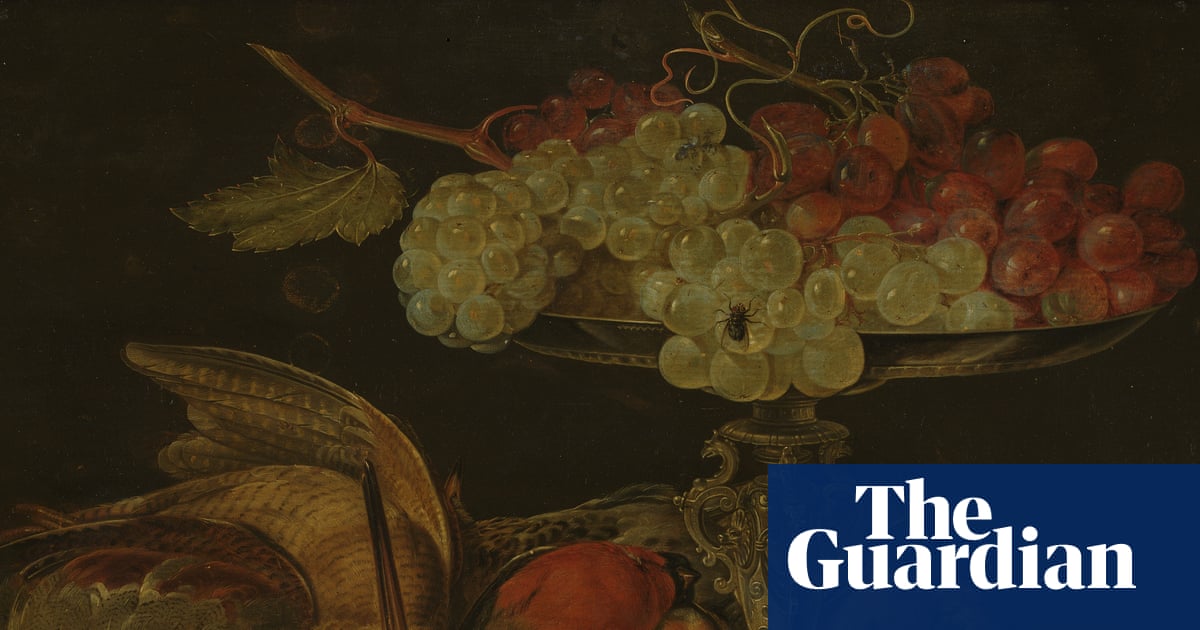
The discovery was made in 2022 by Cynthia Osiecki, a curator specializing in early modern art. While reviewing unattributed works in the museum’s archives, she encountered a piece titled Still Life with Small Game and Grapes on a Gilded Tazza. The work, created around 1620, depicts nine dead birds, hazelnuts, apricots, and a fly resting on grapes. For decades, the painting had languished in obscurity after being stripped of its earlier attribution to Ambrosius Brueghel, a member of a prominent Antwerp artistic family.
Osiecki’s investigation began with a suspicion that the anonymous label might conceal the hand of a woman, echoing Virginia Woolf’s observation about the hidden identities of female creators. She focused on Peeters, who was born in Antwerp around 1594 and is known for her intricate compositions that explore themes of mortality and transience. Osiecki noted specific material evidence linking the Oslo panel to Peeters’ known body of work, including the use of wood from a supplier frequently employed by the artist.
Further analysis revealed compositional parallels between the stored painting and other authenticated pieces by Peeters. The positioning of the dead birds, grapes, and hazelnuts mirrored her established style. Additionally, the gilded tazza, or pedestal dish, featured in the Oslo work closely resembled those found in her other paintings. These visual and material connections suggested a strong probability that the anonymous work was indeed by Peeters, despite the absence of a signature.
The lack of a signature initially complicated the attribution, as Peeters was known for signing her works. However, examination of the panel revealed damage caused by woodworm at the bottom edge, precisely where she typically placed her mark. This physical degradation likely erased the signature, leading to the painting’s misclassification in the early 20th century. Osiecki also identified faint outlines on the grapes that may represent miniature self-portraits, a hallmark of Peeters’ technique, though these details have been obscured by layers of varnish and previous conservation efforts.
The reattribution carries significant thematic weight. Peeters’ work often served as a memento mori, reminding viewers of the brevity of life through depictions of decaying fruit and dead game. The newly identified painting includes luxurious objects like the tazza, yet its underlying message emphasizes equality in death. The inclusion of recently killed birds destined for human consumption underscores the transient nature of worldly wealth and status.
This finding will be showcased in Woman Painter, a major exhibition opening at the National Museum of Norway on October 8. Curated by Osiecki, the show features works by 19 female artists from northern Europe and Italy, including Artemisia Gentileschi, Lavinia Fontana, and Judith Leyster. The exhibition aims to highlight the contributions of women who were active between 1550 and 1650 but have been historically marginalized or overlooked.
Nora Ceciliedatter Nerdrum, director of exhibitions and collections at the National Museum of Norway, noted that this discovery reflects a broader trend in European museums. Institutions are increasingly moving beyond retrieving known works by women from storage to actively searching for pieces labeled as anonymous. This shift suggests that many more attributions may be corrected in the coming years as archival research deepens.
The reclassification of this painting underscores the ongoing effort to expand art historical narratives. By identifying Peeters’ hand in a work long dismissed, curators are not only restoring credit to an individual artist but also challenging the assumptions that led to her erasure. As Osiecki pointed out, continued scrutiny of anonymous works is likely to yield further discoveries, gradually reshaping our understanding of early modern art.
The upcoming exhibition offers a public platform for these revised histories. By placing Peeters’ work alongside other female contemporaries, the National Museum of Norway seeks to provide a more inclusive account of artistic innovation during the baroque period. This move aligns with recent initiatives across Europe, such as the Prado’s 2016 solo show for Peeters, which marked the first time a woman received such recognition at that institution.
Sources behind this briefing
Go to the original reporting
- The Guardian World↗Buried for not being Brueghel: overlooked masterpiece by still-life pioneer discovered in storage area

