The short version
- Five Australians previously unaccounted for have been confirmed safe, reducing the number of missing citizens to thirty-eight.
- The disaster has killed at least 939 people, with ongoing rescue operations hampered by destroyed infrastructure and difficult terrain.
- Australia has deployed personnel and financial aid while foreign affairs officials warn that locating remaining missing persons will be challenging.
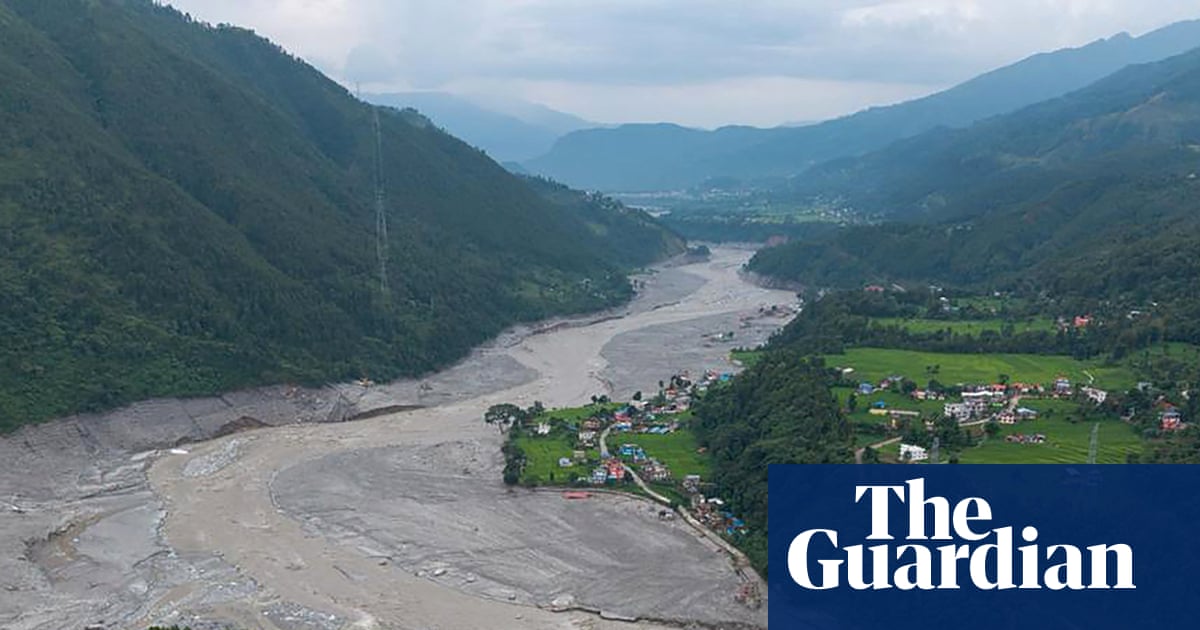
A small measure of relief has emerged for Australian families waiting for news from the Nepal-Tibet border region, where devastating floods have caused widespread destruction. Five Australians who had been listed as missing since the disaster struck one week ago have been located and confirmed safe. This development brings the total number of unaccounted-for citizens down to thirty-eight. The individuals were found in various locations: one in Nepal, one in Tibet, one in China, and three outside the immediate crisis zone.
The confirmation of these survivors follows a period of intense anxiety for relatives who had lost contact with their loved ones. For seven days, these five citizens had not communicated with family members or next of kin. The Australian Department of Foreign Affairs and Trade has been fielding nearly eight hundred calls related to the floods as concerned families seek updates. Officials expressed gratitude upon receiving confirmation that one individual made contact yesterday, noting the profound sense of relief likely felt by those waiting for news.
Despite these positive developments, the overall situation remains dire. The death toll from the unprecedented deluge of ice, rock, mud, and debris has risen to 939 people. This figure includes sixteen additional fatalities reported in Tibet. The scale of the disaster has overwhelmed local resources, prompting significant international and domestic response efforts. Nepal has deployed nearly twenty thousand security personnel to support search and rescue operations, while Chinese state media reports that over two thousand emergency personnel have been mobilized in the region.
Australian authorities are maintaining a cautious outlook regarding the remaining missing persons. Foreign Affairs Minister Penny Wong emphasized the need for realism as the days progress. She highlighted that communications remain severely disrupted and infrastructure has been destroyed in many areas, making access difficult for rescue teams. As time passes without contact, concerns for those still unaccounted for inevitably grow. The minister acknowledged the extraordinarily difficult circumstances facing search and rescue workers operating in the affected zones.
Australia is increasing its humanitarian support for the affected communities. An assistance package valued at eight million dollars has been sent to aid those impacted by the floods along the border between Nepal and the Chinese region of Tibet. Additional disaster relief supplies are scheduled to arrive in Nepal, bolstering the ongoing efforts to provide shelter, food, and medical care. Eighteen Australian personnel have already traveled to Nepal to join staff on the ground, coordinating with local authorities and international partners.
The logistical challenges in the region are substantial. The terrain is rugged and remote, compounded by the destruction of roads and bridges caused by the mudslides and flooding. These factors significantly slow down rescue operations and complicate the delivery of aid. While some areas have been reached, others remain inaccessible due to the sheer volume of debris and ongoing geological instability. Rescue teams are working against time and difficult weather conditions to locate survivors and recover victims.
The incident involving twenty-five-year-old Cara Severino, who was safely located last week, serves as an earlier example of successful recovery efforts. Her safe return provided hope to families during the initial days of uncertainty. However, officials caution that each case is unique and outcomes vary based on location and circumstances. The government continues to work closely with local authorities to verify the status of all missing Australians.
As the immediate phase of search and rescue transitions into longer-term recovery, the focus shifts to supporting survivors and rebuilding infrastructure. The human cost of the disaster is evident in the rising death toll and the number of displaced individuals. International cooperation remains critical as both Nepal and China manage the crisis within their respective jurisdictions. Australia’s involvement underscores the global nature of disaster response and the importance of diplomatic channels in facilitating aid.
Families of the remaining thirty-eight missing Australians are urged to stay in contact with official channels for verified information. Rumors and unconfirmed reports can cause unnecessary distress, so authorities rely on direct communication from rescue teams. The government remains committed to providing updates as they become available, balancing transparency with the need for accuracy. The coming days will likely see continued efforts to reach isolated pockets of survivors.
The disaster highlights the vulnerability of border regions to extreme weather events and geological hazards. Climate change and environmental degradation may have exacerbated the severity of the floods, though specific causal links require further scientific analysis. For now, the priority remains saving lives and providing humanitarian assistance. The international community watches closely as rescue operations continue in one of the most challenging environments on earth.
Sources behind this briefing
Go to the original reporting
- The Guardian World↗Relief as Australians missing in Nepal-Tibet flood disaster found alive

