The short version
- Dr. Vipul Patel performed a prostatectomy on a patient in Minneola while operating from a facility in Celebration, Florida, marking the first such procedure between US hospitals.
- The operation was part of an FDA-approved investigational study that previously included surgeries between Orlando and Angola, expanding its scope to domestic locations.
- While the patient recovered well, officials emphasize that this single event does not prove the technology's general safety or reliability for widespread clinical use.
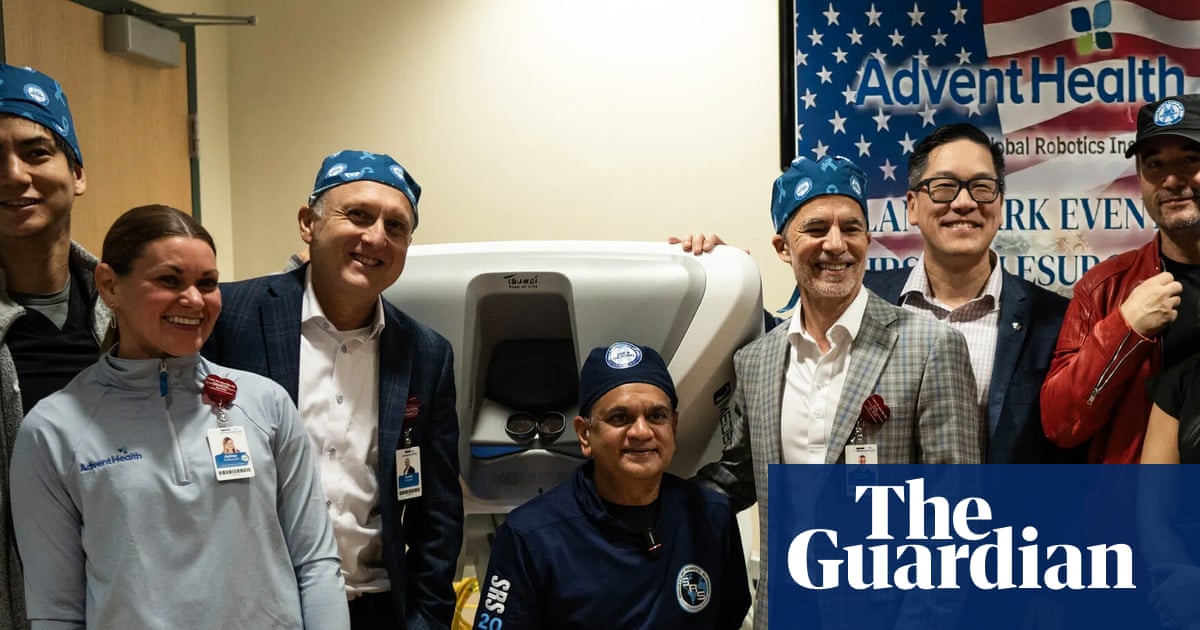
A medical milestone occurred in Florida on Sunday when a surgeon performed the first telerobotic surgery between two hospitals within the United States. Dr. Vipul Patel, who serves as the founder and medical director of the Global Robotics Institute at AdventHealth Celebration, operated remotely from a facility in the Orlando suburb of Celebration. His patient, a 66-year-old man identified only as Mark, was located at an AdventHealth facility in Minneola, approximately 35 miles away. The procedure involved removing Mark’s prostate to treat cancer, marking a significant step in the evaluation of remote surgical capabilities.
This operation was conducted under strict regulatory oversight as part of a clinical research study. The Food and Drug Administration granted an investigational device exemption for the system, which permits researchers to evaluate the technology but does not constitute approval or clearance for general medical use. AdventHealth officials noted that no previous reports have documented a telesurgery procedure between two locations within the US, distinguishing this event from prior international experiments. The study aims to determine whether remote robotic surgery can eventually reduce geographic barriers that often limit patient access to highly specialized care.
The Florida procedure follows a series of ten investigational telesurgeries conducted between Orlando and Luanda, Angola. Those earlier operations helped establish the technical feasibility of cross-continental remote surgery, prompting the expansion of the study into domestic US hospitals. Dr. Patel stated that for generations, access to specialized treatment has frequently depended on where a patient lives. This research seeks to evaluate if telesurgery could help mitigate those disparities by allowing experts to operate on patients regardless of their physical location.
During the procedure, Dr. Marcio Moschovas, a co-principal investigator and surgeon, provided onsite support to Mark in Minneola. This dual-team approach is critical for managing the inherent risks associated with remote operations. While robotic prostatectomy carries standard surgical risks such as bleeding, infection, incontinence, and erectile dysfunction, telesurgery introduces additional vulnerabilities. These include potential equipment failures, connection latency issues, and cybersecurity threats. The presence of an on-site medical team ensures that immediate intervention is possible if the remote system fails or if the procedure needs to be converted to open surgery.
AdventHealth cautioned that this single successful operation does not establish the general clinical performance or safety profile of the technology. Researchers are still actively evaluating the reliability and security of telerobotic systems before they can be considered for broader adoption. The FDA’s investigational exemption allows for this data collection but underscores that the technology remains in a testing phase. Officials emphasized that while the procedure was successful, it is one data point in a larger effort to understand the long-term viability of remote surgical interventions.
Mark was reported to be recovering well after the surgery, according to information provided by AdventHealth to ABC News. His participation as a volunteer in the clinical study highlights the willingness of patients to engage with emerging medical technologies. The success of this domestic trial adds to the growing body of evidence regarding telerobotic surgery, which has previously seen headlines for international procedures. Notably, a surgeon in London recently removed a man’s prostate in Gibraltar, approximately 1,500 miles away, using a four-armed robot equipped with a 3D camera.
The London-Gibraltar operation demonstrated a lag of just 0.06 seconds between the surgeon’s movements and the robot’s response, illustrating the potential for low-latency remote control. However, the Florida study focuses on different logistical and regulatory challenges inherent to domestic healthcare systems. By testing the technology within the US, researchers can assess how it integrates with local hospital infrastructure, emergency protocols, and patient care standards. This domestic expansion is a crucial step toward understanding whether telerobotic surgery can become a viable option for routine specialized procedures.
As the study continues, the focus will remain on gathering comprehensive data regarding safety, efficacy, and patient outcomes. The implications of successful telerobotic surgery could be profound for rural or underserved communities that lack access to specialized surgeons. However, significant hurdles remain, including the need for robust cybersecurity measures and reliable high-speed connectivity. Until these challenges are fully addressed and validated through extensive clinical trials, remote surgery will likely remain confined to research settings rather than becoming a standard of care.
The medical community watches these developments with cautious optimism. While the technology promises to democratize access to expert surgical care, it also raises questions about liability, training, and the human element of medicine. Dr. Patel’s team will continue to monitor Mark’s recovery and analyze the technical data from the procedure. The findings from this Florida trial, combined with previous international studies, will inform future regulatory decisions and potentially shape the landscape of surgical practice in the coming years.
Sources behind this briefing
Go to the original reporting
- The Guardian US↗Doctor performs first telerobotic surgery in US, removing prostate from 35 miles away