The short version
- Senior envoys from Russia and Ukraine met at the White House to acknowledge a ceasefire agreement for the frontline town of Oleshky.
- The first lady received state honors and personal messages from both Vladimir Putin and Volodymyr Zelenskyy, highlighting her emerging role as a humanitarian intermediary.
- The gathering occurred despite ongoing military strikes in other regions and recent diplomatic friction between the US administration and Kyiv.
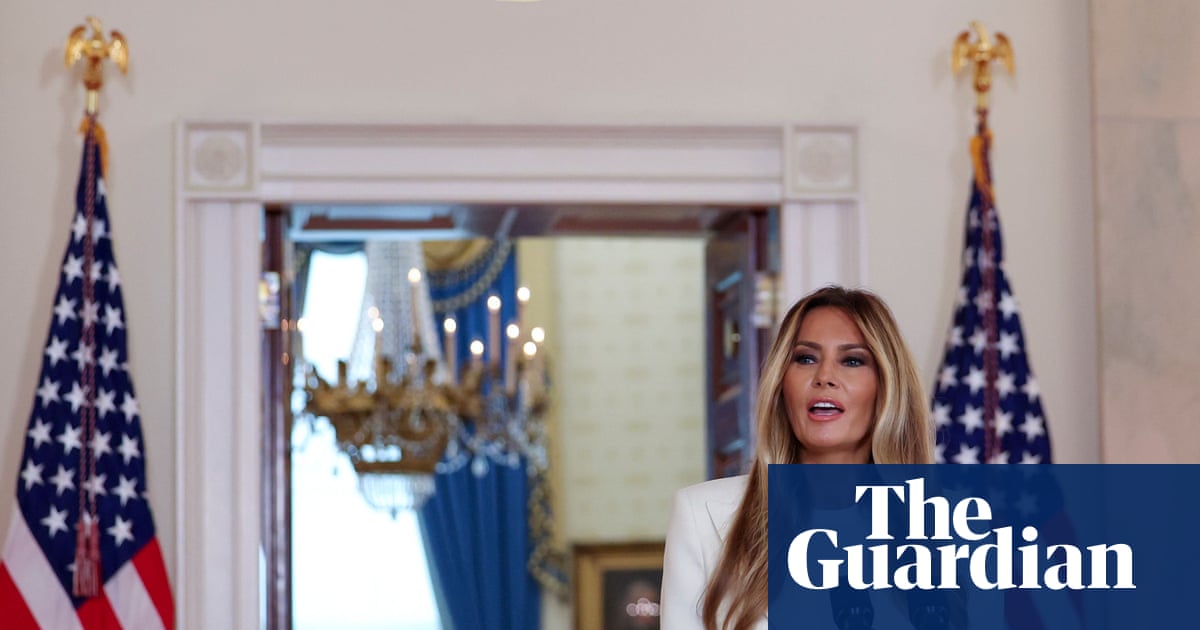
A significant diplomatic event unfolded at the White House on Thursday, bringing together senior representatives from Russia and Ukraine for what officials described as an unprecedented gathering. The meeting centered on a localized ceasefire agreement in Oleshky, a frontline Ukrainian town currently under Russian occupation. This development marks a notable expansion of the first lady’s public responsibilities, positioning her as a central figure in humanitarian negotiations during a period of intense conflict.
The evacuation from Oleshky involved approximately 800 residents who had endured a prolonged humanitarian crisis. While this specific agreement represents a narrow diplomatic success, it stands in contrast to the broader military reality. Russian forces continue to launch missile and drone attacks against major Ukrainian cities, including Kyiv. A recent strike in Zaporizhzhia resulted in significant casualties, underscoring that the wider war remains active and volatile despite this isolated pause.
The White House event featured high-level participants from both sides of the conflict. Kirill Dmitriev, head of the Russian Direct Investment Fund, attended alongside Davyd Arakhamia, a chief negotiator for President Volodymyr Zelenskyy’s party. Also present were Dmytro Lubinets and Yana Lantratova, the human rights ombudspeople for Ukraine and Russia respectively. These officials have previously collaborated on evacuation efforts, establishing a working relationship that facilitated this joint appearance.
During the ceremony, both delegations presented gifts and honors to Melania Trump. The Russian side provided a children’s drawing expressing gratitude, while Dmitriev conveyed a personal message of thanks from Vladimir Putin. Ukrainian representatives awarded her the Order of Princess Olga, one of the nation’s highest distinctions. Lubinets explicitly requested continued support for humanitarian efforts, emphasizing the importance of maintaining this channel of communication.
The first lady framed the Oleshky agreement as a potential catalyst for broader peace. She spoke about reviewing de-mining plans and assessing evacuation logistics, claiming involvement in every stage of the planning process. Her remarks focused on prioritizing humanity over warfare, suggesting that this limited success could inspire more enduring diplomatic solutions. She distributed personal letters to be delivered to both Putin and Zelenskyy, reinforcing her direct engagement with the leaders.
This public display of diplomacy contrasts with recent tensions between the Trump administration and Kyiv. In recent weeks, the US government suspended intelligence sharing and satellite internet access, actions widely interpreted as pressure tactics to influence Ukrainian negotiations. The mid-term elections have further complicated the political landscape, with Democratic lawmakers pledging to investigate alleged business deals involving senior aides and Russian interests.
Behind the scenes, reports suggest the first lady has been critical of her husband’s aggressive approach to Ukraine policy. Her increasing involvement in humanitarian initiatives, including a program that reunited displaced children with their families, has provided a platform for this alternative diplomatic track. The White House staff highlighted the historical significance of an American first lady hosting representatives from two warring nations to pursue peace objectives.
The gathering signals a strategic effort by both Moscow and Kyiv to maintain favorable relations with the Trump administration. Despite the broader hostility and ongoing violence, the success in Oleshky demonstrates that localized humanitarian agreements remain possible. The event underscores the complex interplay between personal diplomacy, political pressure, and military reality in the current conflict.
Future developments will likely depend on whether this model of engagement can be replicated in other contested areas. The immediate focus remains on the safety of evacuated residents and the potential for expanded ceasefires. As diplomatic channels remain open through this unique intermediary, the international community watches to see if this approach yields further tangible results or remains an isolated incident.
Sources behind this briefing
Go to the original reporting
- The Guardian US Politics↗‘Dark horse diplomat’: Melania Trump plays both sides in joint Russia-Ukraine White House visit