The short version
- A man with leukemia died from neurological symptoms after contracting the Shamonda virus, which is primarily found in cattle and other livestock.
- French health officials state there is no immediate public risk, noting the patient was severely immunocompromised and person-to-person transmission has not been observed.
- Experts are investigating whether midges or mosquitoes transmitted the virus to humans as the pathogen continues to spread through animal populations in Europe.
French health authorities have confirmed the first known human death caused by the Shamonda virus, a pathogen that typically infects livestock. The patient, a man in his sixties suffering from leukemia, died on October 9 after developing severe neurological symptoms, including blindness and confusion, just sixteen days after their onset. This case was detailed in a report published on October 22 in the journal Eurosurveillance, marking a significant moment for virologists tracking the spread of animal-borne diseases into human populations.
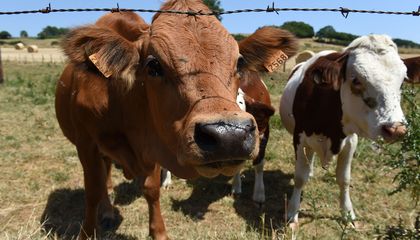
Officials have characterized the incident as an exceptional occurrence involving a severely immunocompromised individual. They emphasized that, based on current understanding of the virus, there is no risk to the general public. The Shamonda virus belongs to the orthobunyavirus family and is primarily transmitted through tiny biting insects known as midges. While the pathogen commonly affects cattle, it has also been detected in sheep, horses, goats, and alpacas. There are currently no approved treatments or vaccines available for the virus.
The virus was first identified in cows in Nigeria in 1965 and has since been found in various parts of Africa and Japan. However, its presence in Europe is a recent development. Officials reported cases in German and Swiss cattle for the first time this past summer, according to the World Health Organization. Since then, the virus has rapidly spread through dairy cows and horses in Western Europe, with confirmed cases in Austria, Belgium, and France.
In animals, the infection typically manifests as fever, diarrhea, and reduced milk production. More severe cases can lead to reproductive issues, such as stillbirths and fetal malformations. Neurological conditions have been reported in some horses, though this symptom is considered rare according to the World Organization for Animal Health. The rapid expansion of the virus through European livestock herds has prompted increased monitoring by veterinary authorities.
The deceased patient lived in a rural area approximately one hour from Lyon in eastern France, a region where the Shamonda virus had already been detected in cattle. Investigators suspect the individual was bitten by a midge carrying the virus. However, the transmission mechanism remains under scrutiny. Jean-Luc Guérin, a researcher at the National Veterinary School of Toulouse and co-author of the Eurosurveillance report, noted that these insects typically do not feed on humans. This discrepancy has led entomologists to investigate whether mosquitoes might also serve as vectors for the disease.
The Centers for Disease Control and Prevention notes that roughly sixty percent of known infectious diseases in humans can be spread from animals, and seventy-five percent of new or emerging infectious diseases affecting people originate in animal reservoirs. This statistic underscores the importance of monitoring pathogens like Shamonda, even when human cases are rare. The fact that a human was infected suggests that scientists still have much to learn about the disease and how it interacts with the human body.
Experts advise caution but not alarm. John Drake, an infectious-disease researcher at the University of Georgia, stated that concern would only be warranted if specific thresholds were crossed. These include a second human case with no shared exposure, serious illness in someone with a healthy immune system, or genomic evidence showing the virus has swapped genes with a more adaptable relative. Until such events occur, he views Shamonda primarily as a cattle virus spreading across Europe.
Drake described the death as a personal tragedy and an interesting scientific case rather than a threat to public health. He emphasized the need for robust surveillance strategies, including testing sick individuals, sequencing unusual cases, and monitoring both herds and the people living among them. As researchers continue to study the virus, the focus remains on understanding its behavior in animal populations and identifying any potential shifts that could increase its risk to humans.
The case highlights the complex interface between animal health and human safety. While the immediate risk to the public is considered low due to the patient's compromised immune status and lack of evidence for person-to-person transmission, the incident serves as a reminder of the vulnerabilities inherent in zoonotic disease dynamics. Continued vigilance and data collection will be critical in determining whether this isolated event signals a broader trend or remains an anomaly.
Sources behind this briefing
Go to the original reporting
- Smithsonian Magazine↗Shamonda Virus Infected and Killed a Person for the First Time. Here's What to Know About the Pathogen Usually Found in Livestock