The short version
- The arrival marks the first deportation flight since the Supreme Court upheld the administration's authority to revoke Temporary Protected Status for Haitian nationals.
- Deportees landed in Cap-Haïtien rather than Port-au-Prince because the capital remains too dangerous for US commercial aviation amid widespread gang violence.
- Critics highlight the contradiction between the State Department’s highest-level travel advisory against visiting Haiti and the government's decision to return citizens there.
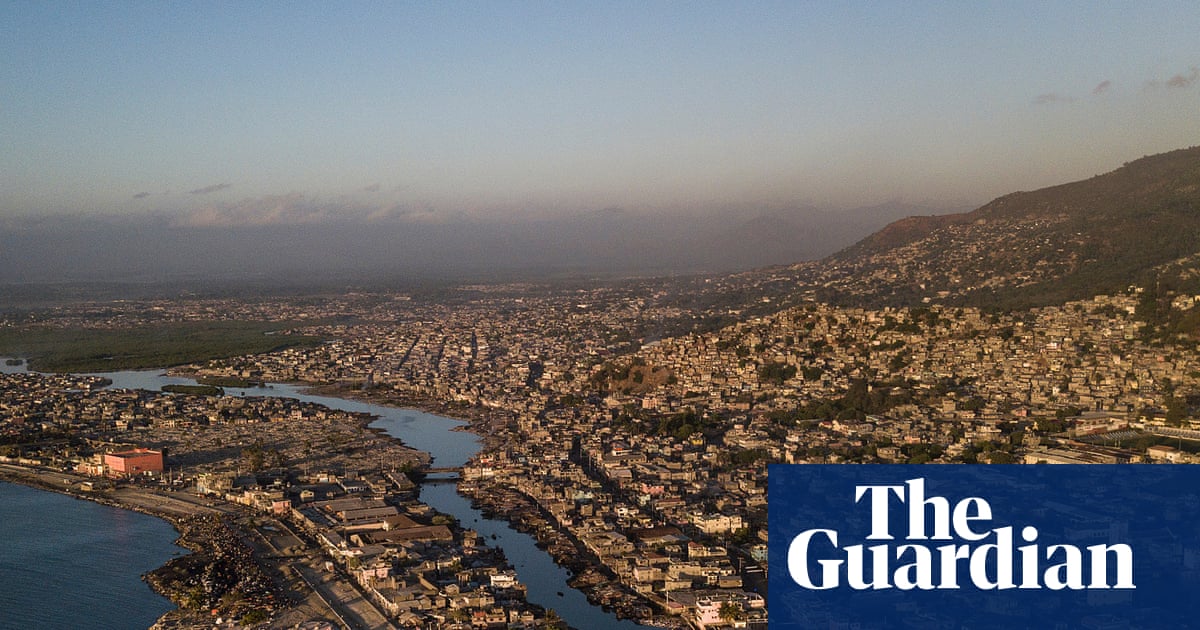
An Immigration and Customs Enforcement charter flight carrying more than 160 Haitian nationals landed in Cap-Haïtien on Thursday, marking the first deportation arrival in the Caribbean nation since the US Supreme Court upheld the administration’s power to strip legal protections from hundreds of thousands of residents. The landing site was chosen specifically because the main international airport in Port-au-Prince is deemed too hazardous for operations. The US government has maintained a ban on commercial flights to the capital through early September due to persistent gang violence and instability.
The deportees, dressed in white clothing with many covering their faces for safety, declined to speak with journalists upon arrival. Reports indicate that fear of targeting by armed groups controls much of this hesitation. Gangs are estimated to control approximately 70% of Port-au-Prince and significant territories beyond the capital. The US State Department currently holds Haiti at its highest travel alert level, advising citizens not to travel there for any reason due to risks involving crime, terrorism, kidnapping, unrest, and limited healthcare infrastructure.
This flight follows a series of legal developments that cleared the path for renewed removals. Earlier this month, Washington DC District Judge Ana Reyes removed a stay on deportations after the Supreme Court backed the administration’s efforts to end Temporary Protected Status for Haitians. TPS, enacted by Congress in 1990, is designed to protect individuals already in the US when extraordinary circumstances such as armed conflict or natural disasters affect their home country. The recent judicial decisions have significantly reduced avenues for legal redress for those who previously held this status.
The administration has warned Haitian authorities to expect an increase in removals following these legal shifts. ICE is believed to have conducted eight flights from the US to Haiti earlier this year, including one in July that transported individuals with criminal records. The current charter represents a broader escalation in enforcement actions against Haitian nationals who had been living and working in the United States under temporary protection. Officials have stated that individuals can either leave voluntarily or face arrest and deportation.
Details regarding the passengers reveal complexities in nationality and origin. Jean Négot Bonheur Delva, director general of Haiti’s national office of migration, noted that the flight included people born in Chile and the Dominican Republic who were sent to Haiti because they had a Haitian parent. This suggests that the removal process extends beyond those born in Haiti to include individuals with familial ties to the country, regardless of their specific birthplace.
Financial support provided to deportees appears minimal relative to travel costs within Haiti. Reports indicate that individuals were given the equivalent of $76.40 to facilitate their return. This amount is less than the cost of a ticket from Cap-Haïtien to Port-au-Prince but may be sufficient to navigate some gang-controlled roads. The disparity between the provided funds and actual travel expenses raises questions about the practical support offered to those being removed.
Critics of the policy argue that compelling individuals to return to such dangerous conditions contradicts official safety warnings. Krish O’Mara Vignarajah, president and CEO of Global Refuge, described the situation as a stunning contradiction, noting that an administration advising Americans against all travel to Haiti is simultaneously forcing hundreds of thousands into dire circumstances. This perspective frames the deportations as an abdication of moral responsibility given the known risks in the destination country.
Advocates for Haitian nationals emphasize their contributions to US society and economy. Josiane Valsaint, a former TPS holder, highlighted that these individuals work hard, pay taxes, and contribute to essential industries that keep the workforce moving. The argument centers on the idea that these residents deserve to remain with their families rather than face removal to a volatile environment. The debate underscores tensions between enforcement priorities and humanitarian concerns.
The Department of Homeland Security has maintained a firm stance on enforcement. Secretary Markwayne Mullin stated earlier this month that individuals can either self-deport or be arrested and sent back, framing the issue as straightforward. This approach reflects a broader crackdown on immigration under the current administration. The Supreme Court’s ruling provides little chance for legal challenges to succeed, solidifying the government’s ability to proceed with removals.
What comes next remains uncertain but likely involves continued deportations as the legal barriers have been removed. The situation in Haiti continues to deteriorate, with gang violence posing significant threats to both locals and returnees. The US government’s position on travel advisories versus deportation policies creates a complex landscape for affected individuals. Observers will watch how these removals impact both Haitian communities in the US and conditions within Haiti itself.
Sources behind this briefing
Go to the original reporting
- The Guardian US Politics↗First deportation flight lands in Haiti after TPS suspension