The short version
- Cara Severino is the first of thirty-nine missing Australians confirmed safe following flash floods in Nepal.
- She remains stranded over one hundred kilometers from Kathmandu and must trek on foot to reach safety.
- Scientists attribute the disaster to a glacier collapse near Langtang Lirung, possibly triggered by a massive landslide.
A twenty-five-year-old Australian woman has made contact with her family after being reported missing in the catastrophic flash flooding that struck Nepal earlier this week. Cara Severino is the first of thirty-nine Australians listed as missing to be confirmed safe, offering a rare moment of relief for families awaiting news from the disaster zone. Her parents, Debbie and Frank Severino, issued a statement confirming she called them on Friday morning from Gosainkunda, where she had regrouped with other hikers after losing communication for more than two days.
Despite this confirmation of safety, Severino faces a significant challenge to reach civilization. She is currently attempting to trek more than one hundred ten kilometers on foot to Kathmandu, accompanied by a group of Nepali hikers. Her parents noted that her phone battery had died and she lacked reception during the initial period of isolation while hiking the Langtang route. The family expressed gratitude for the brief contact but emphasized they are still waiting for information regarding her final safe return.
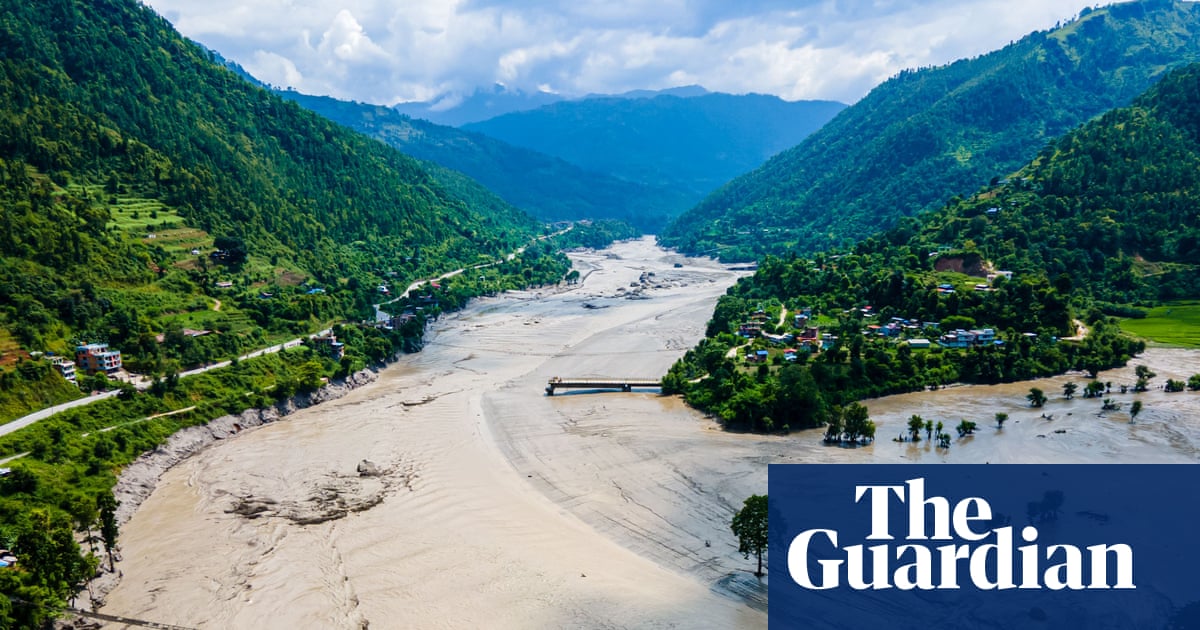
The flooding event has resulted in a devastating loss of life across the region. Authorities report that at least four hundred sixty-nine people have died, with more than fifteen hundred others still missing. The disaster struck along the China-Nepal border on Wednesday, overwhelming communities and cutting off vital communication lines. For the families of the missing Australians, the wait for information has been agonizing, particularly as details about the location and status of their loved ones remain scarce.
Severino’s case differs from most other Australian victims in terms of travel arrangements. Of the thirty-five missing Australians whose details were released by Nepali police, she was the only individual not traveling with a tour agency. The others were part of four distinct groups, many of whom had organized their trips to participate in the Mount Kailash Hindu pilgrimage in the region. This distinction may impact how rescue and recovery efforts are coordinated for her compared to those in larger, organized groups.
Scientists are now investigating the geological mechanisms behind the sudden and severe flooding. Early assessments point to a glacier collapse as a primary cause of the deluge that swept through parts of Nepal and Tibet. The glacier in question is located north of Langtang Lirung, a peak rising more than seven thousand meters above sea level in the Himalayas. The scale of the event suggests a massive release of water and debris, characteristic of glacial lake outburst floods or similar geological failures.
The exact trigger for the glacier collapse remains unclear. Some experts suggest that a massive landslide may have taken part of the glacier with it, leading to the subsequent flooding. This hypothesis aligns with observations of the terrain and the suddenness of the water surge. However, definitive conclusions require further analysis of the site, which is currently difficult due to the ongoing emergency response and hazardous conditions in the affected areas.
The disaster has prompted a significant response from the Nepali diaspora and international communities. Australians are being encouraged to contribute to relief efforts as the scale of the humanitarian crisis becomes apparent. The Australian Defence Force has also been involved, with one member among those initially reported missing. The focus now shifts from immediate search and rescue to supporting survivors and managing the long-term recovery in regions that have been severely damaged by the floods.
As Severino continues her trek toward Kathmandu, authorities and families alike remain cautious about the timeline for her arrival. The distance involved and the rugged terrain of the Himalayas present substantial obstacles. While her initial contact provides hope, the situation remains fluid, and the broader tragedy affecting hundreds of lives in Nepal and Tibet continues to unfold. The coming days will likely bring more clarity on the extent of the damage and the effectiveness of relief operations.
Sources behind this briefing
Go to the original reporting
- The Guardian World↗‘We praise God’: Australian woman feared missing in Nepal flooding makes contact with family
- BBC Science & Environment↗What caused the flooding in Nepal?