The short version
- A firefighting helicopter crashed in central Utah on Friday with two individuals onboard, prompting an investigation by federal aviation and safety agencies.
- Rescue efforts have been delayed because the crash site is inaccessible due to difficult terrain and a new fire started by the impact.
- The incident occurred during intense weather conditions including red flag warnings, adding to the dangers faced by crews battling multiple large wildfires in the state.
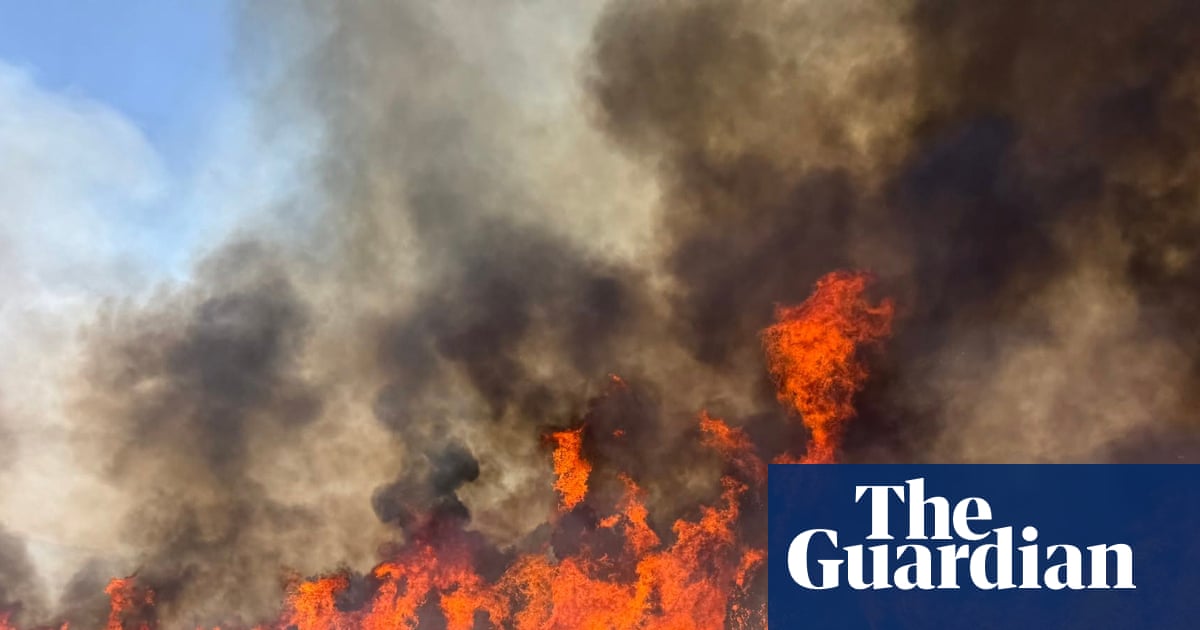
A firefighting helicopter crashed in central Utah on Friday morning while responding to a major wildfire, leaving two people unaccounted for and raising urgent concerns about their safety. Federal aviation authorities confirmed that the Sikorsky S-64 aircraft went down near Richfield, a community located approximately 160 miles south of Salt Lake City. The crash occurred in the vicinity of the Widemouth 2 fire, a significant blaze that has consumed vast amounts of land since it was ignited by lightning earlier in July.
Officials have not yet been able to determine the condition of the two individuals who were on board the aircraft. The US Forest Service initially declined to provide details regarding the passengers, asking the public for patience while emergency teams focused entirely on response operations. Neither the Sevier County Sheriff’s office nor federal wildfire officials had immediate information about the status of those aboard when news of the crash broke.
Access to the crash site remains severely restricted due to the challenging nature of the landscape and ongoing fire activity. Tyler Hecht, deputy incident commander for the Great Basin incident management team, described the terrain as very difficult during a media briefing on Friday evening. He noted that rescuers have not yet reached the scene of the accident. Complicating matters further, the impact of the helicopter appears to have ignited a new fire, creating additional hazards for emergency personnel attempting to navigate the area.
The Widemouth 2 fire has grown rapidly since its inception on July 27. Reports vary slightly on the total acreage affected, with some data indicating the blaze has swept through 105,000 acres, while other estimates place the size at 165 square miles. As of Friday, containment efforts had reached only 19 percent. This fire is one of eight large wildfires currently burning across Utah, which collectively have scorched more than 331,000 acres according to state records. The scale of these blazes has placed immense strain on local and federal resources.
Weather conditions during the time of the crash were particularly hazardous for aerial firefighting operations. Crews had been warned earlier in the day about erratic winds, dry fuel sources, and high temperatures. Red flag warnings were in effect, signaling an elevated risk of rapid fire spread. There was also a potential for dry thunderstorms and lightning strikes, which could further complicate suppression efforts and endanger personnel working on the ground and in the air.
The emotional toll on firefighting crews has been significant following the incident. Hecht described the morale among firefighters as very somber given the circumstances. Despite the tragedy, teams took a tactical pause to regroup before returning to their duties. The resilience of these workers was highlighted by Utah Governor Spencer Cox, who posted on social media that wildland firefighting is among the most dangerous jobs in the world. He emphasized the extraordinary risks accepted by these individuals to protect communities.
Federal agencies have launched an investigation into the cause of the crash. The Federal Aviation Administration and the National Transportation Safety Board are leading the inquiry, though they acknowledged that reaching the scene safely may not be possible immediately due to the proximity of active wildfires. Investigators will need to wait until conditions allow for safe access to examine the wreckage and gather evidence.
This incident adds to a growing list of tragedies associated with wildfire suppression in the region. In June, four firefighters were killed in Colorado after being overcome by a fast-moving wildfire near the Utah border. Those deaths underscored the lethal nature of the work performed by wildland crews. The current situation in Utah highlights the persistent dangers faced by emergency responders as they battle blazes fueled by extreme weather and dry conditions.
As rescue teams continue to assess the feasibility of reaching the crash site, the focus remains on ensuring the safety of all personnel involved. The broader wildfire situation in Utah shows no signs of abating, with multiple large fires still active across the state. Authorities are monitoring weather patterns closely, anticipating that continued heat and wind could exacerbate fire behavior. The outcome of this specific incident remains unknown as efforts to locate the missing individuals persist.
The community and emergency services await further updates as the investigation unfolds. Until rescuers can safely access the site, details regarding the cause of the crash and the fate of those onboard will remain uncertain. The incident serves as a stark reminder of the volatile environment in which firefighters operate during peak wildfire season. Coordination between local, state, and federal agencies continues to be critical in managing both the immediate emergency and the ongoing fire threat.
Sources behind this briefing
Go to the original reporting
- The Guardian US↗Helicopter fighting Utah wildfire crashes with two people onboard, officials say
- PBS NewsHour↗Helicopter battling Utah wildfire crashes with no word on the 2 people aboard

