The short version
- More than 150 migrants were rescued after their vessel caught fire during an attempted crossing from France to the United Kingdom.
- French authorities noted that passengers initially refused assistance, accepting help only when the boat's structural integrity failed due to the blaze.
- Small boat crossings have dropped by 43 percent this year, though overcrowding remains a critical safety risk amid political pressure to reduce numbers further.
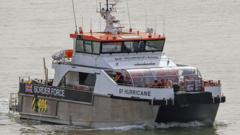
A maritime emergency unfolded in the English Channel on Tuesday morning when a vessel carrying more than 150 migrants caught fire while attempting to reach the United Kingdom. French and British rescue teams coordinated a response after the boat’s engine ignited, leading to a rapid deterioration of its structural integrity. Authorities confirmed that 157 individuals were successfully rescued and transported to Boulogne-sur-Mer in northern France. No injuries or fatalities were reported in the incident, which involved vessels from both the UK Border Force and French emergency services.
The rescue operation highlighted the complex dynamics often present during Channel crossings. According to the French maritime prefecture, five individuals on board required immediate assistance overnight, but the remaining passengers refused aid offered by patrol boats. Officials stated that migrants determined to reach British shores typically decline help unless faced with extreme emergencies. The decision not to intervene further at that stage was attributed to the structural fragility of the vessel and the refusal of those on board to accept assistance. The situation changed drastically when the engine fire broke out, prompting immediate intervention from RNLI Eastbourne lifeboats and UK Border Force vessels.
This incident occurred against a backdrop of shifting migration statistics. Data covering the period from January 1 to August 1, 2026, shows that 14,526 people crossed the Channel by small boat, representing a 43 percent decrease compared to the same timeframe in the previous year. Despite this decline, small boats remain the most common method for undetected entries into the UK since 2020. The average number of people per vessel has more than doubled since 2021, with recent boats carrying an average of 67 individuals. Experts warn that such overcrowding significantly increases the risk of accidents and fatalities during transit.
The political response to these crossings remains intense in Westminster. Prime Minister Andy Burnham recently pledged a relentless approach to curbing small boat arrivals, emphasizing the need to dismantle smuggling networks while establishing safe legal routes for asylum seekers. During a visit to Dover, he noted that enforcement officers targeting people-smuggling gangs have been doubled on both sides of the Channel. However, opposition parties have criticized the government’s progress, with Conservatives arguing that promises have not been fully delivered and Reform UK suggesting naval deployment to intercept vessels.
Understanding the broader context of migration requires examining multiple entry methods and legal statuses. Nearly all individuals arriving by small boat claim asylum, which under international law allows them to remain in the country while their applications are processed. These arrivals accounted for 42 percent of asylum applications between April 2025 and March 2026. While small boat crossings represent a significant portion of irregular migration, they constitute only about 5 percent of total immigration into the UK from January to December 2025. Other methods of unauthorized entry, such as hiding in vehicles or overstaying visas, also contribute to the overall figures.
Humanitarian concerns continue to accompany the statistical trends. Home Office data indicates that at least 2,000 people who arrived by small boat between January and December 2025 were identified as potential victims of human trafficking or modern slavery. Eritrean nationals made up 18 percent of all arrivals in the period from April 2025 to March 2026. The dangers of the journey are stark, with at least 84 deaths recorded during Channel crossing attempts in 2024 alone. These figures underscore the lethal risks associated with relying on unseaworthy vessels operated by criminal networks.
The recent incident serves as a reminder of the operational challenges faced by border agencies. The coordination between French and UK authorities was evident in the swift rescue effort, yet the initial refusal of aid by passengers complicates preventive measures. As political debates intensify, particularly following large-scale migration events elsewhere in Europe, the focus remains on balancing enforcement with humanitarian obligations. The government’s strategy involves both cracking down on smuggling gangs and developing alternative legal pathways, though critics argue that current measures are insufficient to address the root causes of migration.
Looking ahead, the implications of this rescue extend beyond the immediate safety of those involved. It reinforces the narrative that while numbers may be declining, the risks per crossing remain high due to overcrowding and vessel instability. The incident also highlights the dependency on international cooperation for effective border management. As authorities continue to monitor trends and adjust policies, the tension between security concerns and human rights obligations will likely persist. The coming months will test whether increased enforcement and diplomatic efforts can sustain the downward trend in crossings without compromising safety standards.
Sources behind this briefing
Go to the original reporting
- BBC World↗More than 150 migrants rescued after boat catches fire in Channel

