The short version
- Finnish police have initiated a criminal investigation into potential environmental law violations by Tuike Finland, a Google subsidiary, regarding land preparation for data centers.
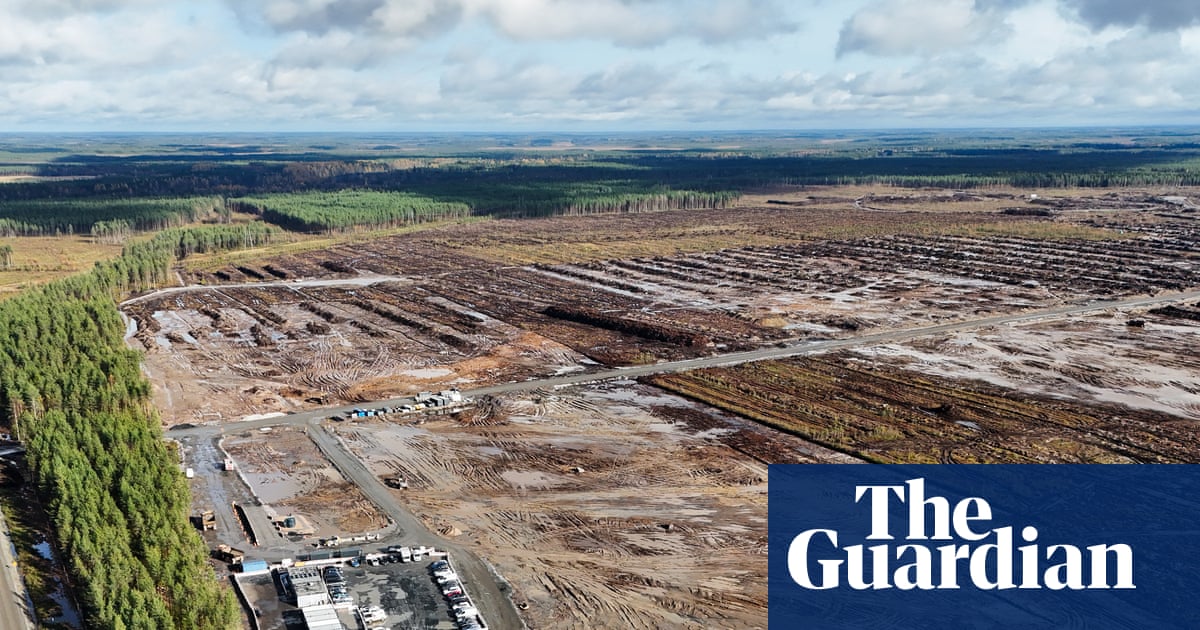
- The probe focuses on allegations that the company cleared and drained over 800 acres of forest in Muhos without completing required impact assessments, leading to work stoppages at two sites.
- The incident has ignited public controversy over the environmental costs of artificial intelligence infrastructure, with experts questioning the local economic benefits of such massive foreign investments.
Finnish law enforcement agencies have commenced a criminal investigation into possible violations of national environmental statutes concerning a major technology infrastructure project in northern Finland. The probe targets Tuike Finland Oy, a subsidiary of Google, regarding activities at a planned data center site in the municipality of Muhos. Authorities allege that the company proceeded with significant land alterations before securing the necessary legal approvals, specifically failing to complete mandatory environmental impact assessments as required by Finnish law.
Police statements indicate that preliminary evidence points to ambiguities and shortcomings in how drainage and water management were handled at the construction site. The investigation will scrutinize the circumstances surrounding these issues, focusing on whether the company breached regulations by clearing and draining approximately 330 hectares of forest land. This area, equivalent to roughly 815 acres, was prepared for development despite the absence of finalized environmental reviews, raising serious questions about regulatory compliance in the rush to build artificial intelligence infrastructure.
The controversy extends beyond a single location. Earlier this month, Finnish supervisory agencies ordered Google to suspend all preparatory work at two distinct sites: Muhos and Otanmäki, located about 100 kilometers to the southeast. The halt was issued after it became clear that the company had engaged in clearcutting activities prior to completing the requisite environmental assessments. Campaigners estimate that approximately 250,000 trees were felled at the Muhos site alone, with an additional 150,000 trees removed at Otanmäki, highlighting the scale of the ecological disruption before authorities intervened.
Google’s presence in Finland is part of a broader strategy to leverage the country’s stable geopolitical environment, abundant land, and cool climate, which reduces energy costs for cooling servers. The company has described its €13 billion artificial intelligence infrastructure project as its largest investment in Europe. However, the current legal challenges underscore the tension between rapid technological expansion and strict environmental protections. Finnish authorities are currently reviewing applications for 145 new data centers at various planning stages, making this case a potential precedent for how such projects are regulated moving forward.
In response to the allegations, Antti Järvinen, Google’s country manager in Finland, issued an apology for the forest clearings. He defended the company’s actions by stating that they operated according to their best understanding of the legislation at the time. This explanation has not fully quelled public anger, with critics describing the behavior as arrogant and indicative of a disregard for local laws. The incident has shifted the national conversation from celebrating foreign investment to scrutinizing the legal and ethical boundaries of corporate development in sensitive ecological zones.
The political ramifications are significant, occurring just months before parliamentary elections scheduled for April. While Prime Minister Petteri Orpo previously hailed Google’s investment as a top priority that would deliver lasting benefits, the revelations of alleged misconduct have complicated the narrative. The government had actively encouraged these projects, but the current situation forces policymakers to balance economic incentives with public demand for environmental accountability. The debate now centers on what data center deals truly mean for local communities, energy prices, and ecological preservation.
Public sentiment has turned sharply against unchecked development, evidenced by a petition signed by more than 93,000 people demanding stricter regulation of data centers and compensation for environmental damage. This grassroots movement reflects growing skepticism about the tangible benefits of such projects for ordinary citizens. Experts argue that while data centers consume vast amounts of energy and land, they generate relatively few local jobs and offer minimal direct economic advantages to the national economy beyond tax revenues.
Academic voices have joined the critique, with Jussi Kangasharju, a computer science professor at the University of Helsinki, asserting that there are essentially no benefits for Finland from these facilities. He noted that international companies serve international customers, meaning the primary beneficiaries are the operators themselves rather than the host community. As the criminal investigation proceeds, it will likely determine whether fines or other penalties are imposed, but the broader question of how to reconcile high-tech growth with environmental stewardship remains unresolved.
The outcome of this case could set a critical standard for future tech infrastructure projects in Finland and potentially across Europe. If authorities find that Google violated environmental laws, it may lead to tighter oversight of similar ventures currently in the pipeline. Conversely, if the company is cleared or faces minimal consequences, it could signal a lenient approach to regulatory compliance in the race to build AI capacity. For now, the sites remain under suspension, and the legal process will dictate the next steps for both the corporation and the landscape.
This situation highlights the complex interplay between global technology demands and local environmental governance. As nations compete to attract data center investments, the pressure to expedite construction can lead to shortcuts that undermine legal safeguards. Finland’s response, combining criminal investigation with public debate, illustrates a growing awareness that economic gains must not come at the expense of ecological integrity or democratic oversight. The coming months will reveal whether this incident marks a turning point in how such projects are evaluated and approved.
Sources behind this briefing
Go to the original reporting
- The Guardian US↗Finland launches criminal investigation into Google’s clearing of forest for datacentre site