The short version
- Fifa President Gianni Infantino attended a Caribbean Football Union meeting in the Dominican Republic despite explicit requests from Concacaf leadership to stay away.
- The visit included announcements of delayed funding projects and direct lobbying for support ahead of Infantino’s re-election campaign, angering several member nations.
- A growing coalition including Uefa and Asian confederations is pressing for Infantino’s resignation following controversies over prize money distribution and governance scandals.
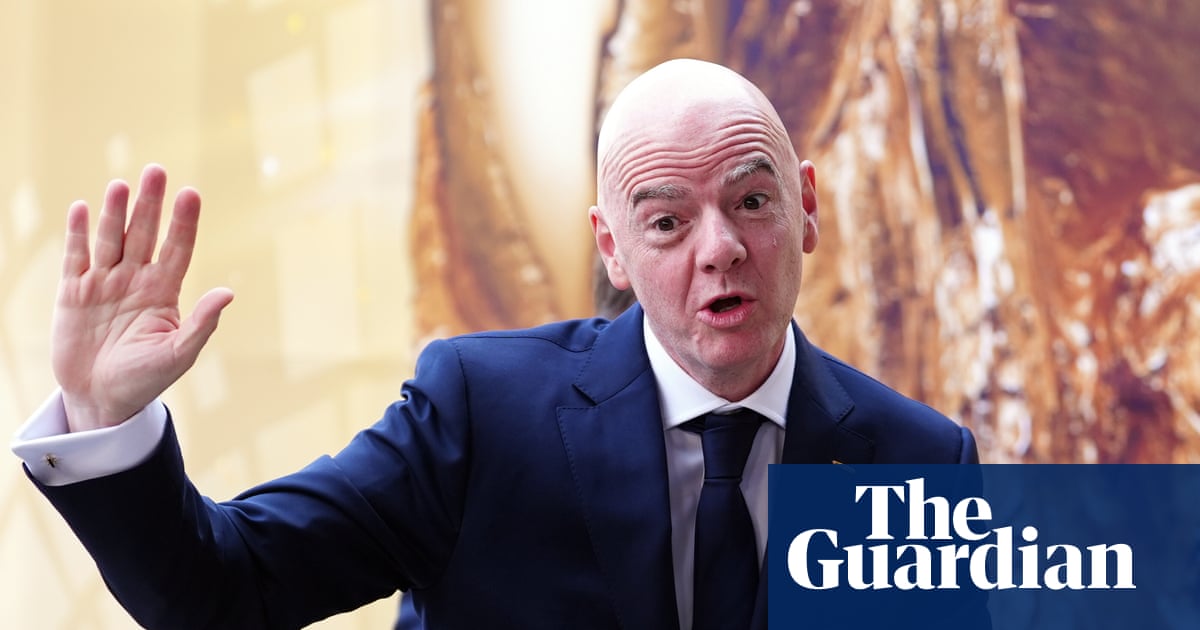
Tensions within international football governance escalated significantly this week after Fifa President Gianni Infantino attended a Caribbean Football Union meeting in the Dominican Republic. His presence directly contradicted requests from Victor Montagliani, the president of Concacaf, who had asked Infantino to reconsider his attendance. The invitation refusal was framed as an effort to keep the spotlight on a regional under-14 tournament occurring alongside the administrative gathering. Instead, Infantino arrived with a large entourage, including Secretary General Mattias Grafström and Elkhan Mammadov, the director of member associations.
The decision to attend appears calculated to secure votes for Infantino’s upcoming re-election campaign. Sources indicate that Infantino viewed the CFU meeting as a strategic opportunity to lobby Caribbean nations individually. This move aims to create a fracture within Concacaf, which has largely aligned with Uefa and the Asian Football Confederation in demanding Infantino step down. The alliance between these major confederations represents a significant challenge to his leadership, particularly after recent controversies surrounding the sale of World Cup rights.
During the meeting, Infantino announced millions of dollars in development projects for the region. These funds had reportedly been delayed for months, leading to frustration among attendees. Multiple sources described the reaction from Concacaf members as infuriated, noting that the timing and manner of the announcements felt like a bribe rather than standard administrative procedure. The Jordan Football Association has previously raised similar concerns, with President Prince Ali bin al-Hussein accusing Infantino of withholding prize money from last year’s Arab Cup because Jordan failed to endorse him.
Elkhan Mammadov played a central role in the lobbying efforts, approaching individual member associations before the official proceedings began. His insistent approach has caused disquiet among some officials who feel pressured to support Fifa leadership despite ongoing governance crises. The Fifa delegation attempted to characterize the conflict as a private dispute between Infantino and Montagliani, rather than a broader institutional failure. This narrative strategy seeks to isolate Montagliani and prevent a unified front against Infantino’s re-election.
Despite these efforts, the majority of Concacaf’s 41 members are understood to support the alliance with Uefa advocated by Montagliani. Only a small number of nations, including Mexico, Grenada, and St Kitts and Nevis, have broken ranks to declare their support for Infantino. The Canadian businessman Montagliani has not publicly commented since news emerged regarding the Fifa Forward Enterprise scandal, but he is widely considered a potential contender to replace Infantino in Europe.
The conflict extends beyond personal animosity between leaders. Uefa and Concacaf are reportedly in talks about establishing a joint Nations League in 2028. This competition could evolve into a new global tournament, challenging Fifa’s monopoly on international football events. Such a development would significantly alter the landscape of global sports governance and revenue distribution. The push for Infantino’s resignation is therefore tied to broader structural changes that these confederations wish to implement.
The brief interaction between Infantino and Montagliani before the meeting was captured by Infantino’s personal camera crew and later posted on social media. The handshake appeared cordial, but the underlying political maneuvering suggests deep division. Attendees noted that the Fifa team tried to downplay the severity of the governance crisis, framing it as a manageable disagreement rather than a systemic issue. This characterization has been rejected by critics who point to the withholding of funds and lack of transparency as evidence of deeper problems.
As the re-election campaign intensifies, the Caribbean nations find themselves at the center of a geopolitical struggle within football. Their votes could determine whether Infantino retains power or faces removal by a coalition of major confederations. The delayed funding announcements serve as both an apology for past neglect and a tool for political leverage. Whether this strategy will succeed in splitting Concacaf remains uncertain, given the strong alignment with Uefa and Asian counterparts.
The situation highlights the fragility of Fifa’s current leadership structure. With multiple confederations coordinating their efforts, Infantino faces unprecedented pressure to address governance concerns or face removal. The joint Nations League proposal signals a willingness among rivals to build alternative structures if necessary. This development underscores the high stakes involved in the upcoming election and the potential for significant change in how global football is managed.
Observers note that the lack of comment from Montagliani adds to the uncertainty surrounding the next steps. While Infantino continues to lobby aggressively, the broader coalition appears determined to hold him accountable. The outcome of this conflict will likely shape the future of international football governance for years to come. For now, the Caribbean nations remain caught in the middle, balancing regional interests against global political pressures.
Sources behind this briefing
Go to the original reporting
- The Guardian US↗Infantino angers Concacaf nations by hijacking meeting in Caribbean

