The short version
- Fifa is initiating discussions with the International Olympic Committee regarding the implementation of age restrictions for women’s football at future Games.
- The proposal aims to alleviate fixture congestion and player workload, issues exacerbated by the introduction of a new Women’s Club World Cup in Olympic years.
- Any changes cannot affect the 2028 Los Angeles Olympics, as qualification has already begun, making Brisbane 2032 the earliest target for reform.
Fifa is seeking formal discussions with the International Olympic Committee to explore restricting women’s football at the Olympic Games to players under the age of 23. The governing body cites growing concerns regarding fixture congestion and the physical workload placed on senior athletes as primary drivers for this potential policy shift. While no official proposal has been submitted, sources within both organizations indicate a willingness to engage in dialogue about the future structure of the tournament.
The push for age limits mirrors the format long established for men’s Olympic football, which has utilized an under-23 restriction since 1992, allowing only three overage players per squad. Women’s soccer was introduced to the Olympic program in 1996 without such eligibility requirements, reflecting its status as an amateur sport at the time. However, the rapid professionalization and global expansion of the women’s game over the past decade have fundamentally altered the landscape, creating scheduling conflicts that did not exist during the tournament's early years.
A central factor in Fifa’s current position is the introduction of the Women’s Club World Cup, which is scheduled to take place in Olympic years. The inaugural edition will be hosted by the United States in January 2028, just six months before the Los Angeles Games. This new competition disrupts domestic club seasons significantly, particularly in Europe. Top-tier teams such as Arsenal, Chelsea, or Manchester City could face absences of up to a month if they advance deep into the tournament, missing critical domestic league matches and cup competitions.
The 2028 calendar is already considered the most congested in recent history, placing immense strain on players who must balance club duties, national team obligations, and Olympic preparation. Fifa acknowledges its role in contributing to this saturation by launching a major new tournament during an Olympic cycle. The governing body argues that limiting Olympic participation to younger players could help distribute the competitive load more evenly across the international calendar, protecting athlete welfare while maintaining the prestige of both the World Cup and the Olympics.
However, any move to implement age restrictions faces substantial practical and political obstacles. Eligibility criteria for the 2028 Los Angeles Olympics have already been finalized, and qualification tournaments are underway in several regions. Consequently, no structural changes can be implemented until the Brisbane Games in 2032 at the earliest. This timeline allows for a prolonged period of consultation but also means that current senior players will not see immediate relief from the dual demands of club and Olympic competition.
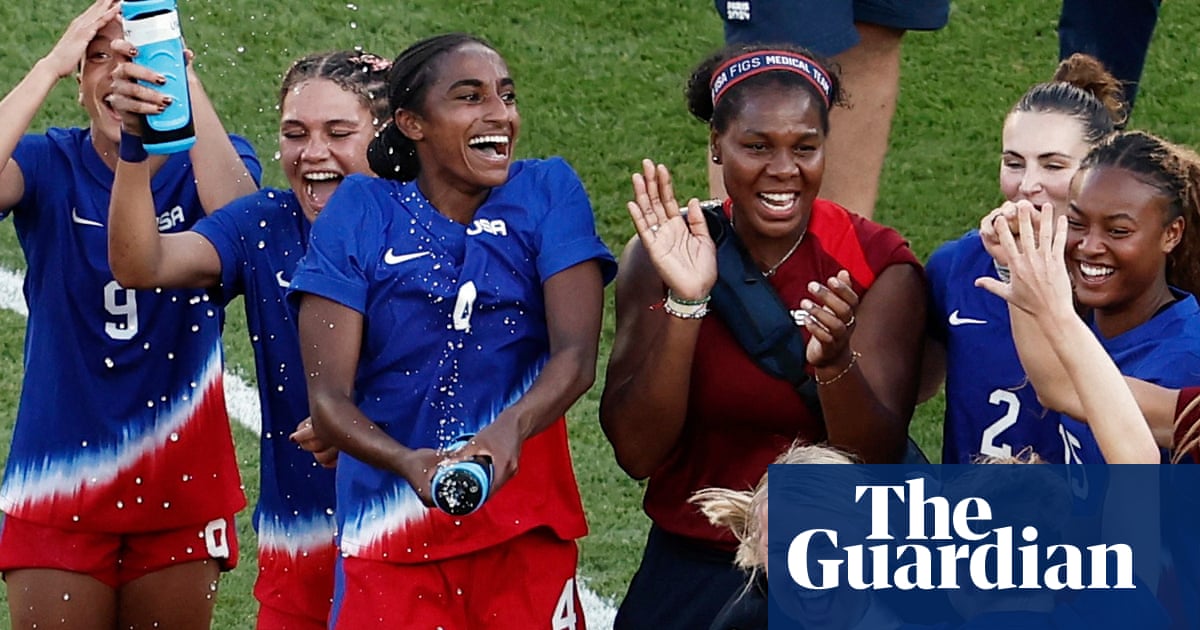
The proposal is likely to encounter strong resistance from leading international players and national associations. The Olympic gold medal remains one of the most coveted honors in women’s soccer, with the United States having won five of the eight tournaments held since 1996. Recent successes, including the US team’s victory in Paris two years ago under coach Emma Hayes, underscore the event’s significance to athletes who view it as a career highlight rather than a secondary competition.
Commercial considerations also complicate Fifa’s overtures. Women’s football has become a major revenue driver for the IOC, particularly in key markets such as the United States, Europe, and Australia. The Los Angeles Games will feature a larger women’s tournament than men’s for the first time, with 16 teams competing compared to 12. This expansion reflects the sport’s growing popularity and viewership, suggesting that the IOC may be reluctant to dilute the star power of the event by excluding established senior stars.
Resolving this tension requires careful navigation through both Fifa and IOC processes. Any decision must balance the legitimate concerns regarding player workload against the commercial and sporting value of featuring top-tier athletes at the Olympics. Stakeholders, including players’ unions and member associations, will play a crucial role in shaping the outcome. The coming months will likely see intense debate over whether the Olympic tournament should evolve into a developmental showcase for emerging talent or remain a premier stage for the world’s best senior players.
As dialogue begins, the focus will shift to analyzing the long-term implications of age restrictions on player development and tournament integrity. While Fifa aims to reduce congestion, critics argue that removing senior stars could diminish the competitive quality and global appeal of the event. The outcome of these talks will set a precedent for how international sporting bodies manage the increasing complexity of modern athletic calendars, with ramifications extending beyond soccer to other sports facing similar scheduling pressures.
Sources behind this briefing
Go to the original reporting
- The Guardian US↗Fifa wants talks over restricting women’s Olympic football to under-23s


