The short version
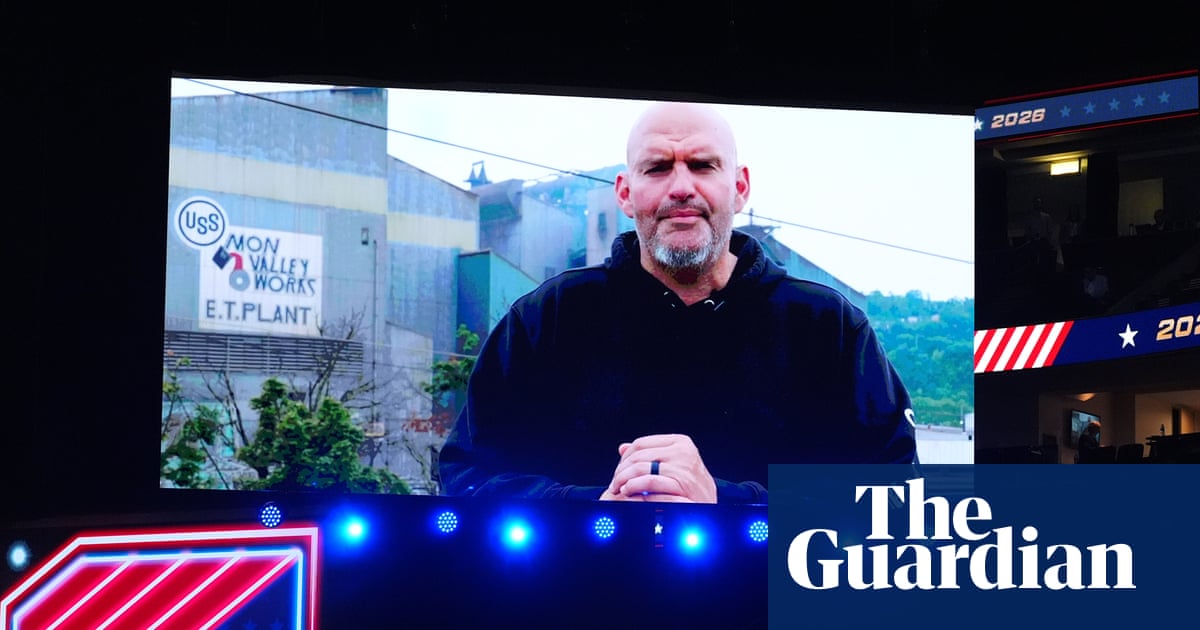
- Senator John Fetterman faced sharp criticism from Democratic colleagues after appearing in a video at the Republican National Committee midterm convention.
- Critics within the party argue his actions demonstrate disloyalty and damage electoral efforts, while supporters maintain he remains a reliable voting ally.
- Republican leaders have expressed interest in recruiting the senator, raising stakes for Democrats who need to gain seats to retain Senate control.
A surprise video appearance by Pennsylvania Senator John Fetterman at the Republican National Committee midterm convention has ignited a fierce debate within the Democratic Party regarding his political allegiance and future. The decision to address the GOP event, which included praise for his fellow Pennsylvania senator and Republican Dave McCormick, has raised significant questions about Fetterman’s standing among his own colleagues. While the senator insists he remains committed to the Democratic Party, the incident has fueled speculation about potential defection and intensified scrutiny of his relationship with party leadership.
Fetterman issued a statement following the backlash, asserting that he is a lifelong Democrat who votes overwhelmingly with his party. He emphasized that even if the Senate control shifts in November’s elections, he would remain the fifty-first vote necessary for Democratic majorities. Despite these assurances, the appearance has triggered a wave of criticism from fellow Democrats who view the move as a betrayal of party norms and electoral strategy. The controversy underscores growing tensions within the caucus over how to handle members who frequently engage with conservative media outlets.
Democratic Congressman Chris Deluzio expressed frustration on behalf of constituents across Pennsylvania, noting that many are disappointed by Fetterman’s actions. Deluzio highlighted his own efforts to campaign in competitive congressional districts while observing that Fetterman has been absent from such ground games. Instead, Deluzio accused the senator of spending time on right-wing media platforms criticizing Democrats, a pattern that has reportedly alienated voters and party workers alike. This sentiment reflects broader concerns among Democrats about the effectiveness of Fetterman’s public engagements.
Former Representative Conor Lamb, whom Fetterman defeated in the 2022 primary race for the Senate, offered a particularly harsh assessment of the video address. Lamb described the presentation as lacking persuasiveness and compared its tone to state-controlled propaganda from North Korea. As one of several Pennsylvania Democrats considering a Senate run in 2028 when Fetterman faces re-election, Lamb suggested that party officials in the state have already begun treating Fetterman as irrelevant to future electoral calculations. This perspective indicates a deepening rift between Fetterman and key figures within the state’s Democratic establishment.
Commentator Stephen A. Smith also joined the chorus of critics, accusing Fetterman of disrespecting the Democrats who elected him to office. Smith characterized the appearance at a Republican convention as an act that spits in the face of the party base. Such strong language from prominent voices amplifies the perception that Fetterman’s actions have crossed a line acceptable within Democratic circles. The intensity of the response suggests that many within the party view this not merely as a strategic misstep but as a fundamental breach of loyalty.
In contrast to the widespread criticism, some allies have defended Fetterman’s position and voting record. Senator Peter Welch of Vermont, who maintains a close relationship with Fetterman, stated that focusing on the senator’s future in the party is a waste of energy. Welch pointed out that Fetterman votes with the Democratic caucus approximately ninety percent of the time, suggesting that his legislative behavior aligns closely with party goals despite his controversial public appearances. This defense highlights the complexity of evaluating loyalty based solely on media engagements rather than actual voting records.
Republican leaders have made their intentions clear regarding Fetterman’s potential recruitment. Senator Dave McCormick publicly defended Fetterman amid the Democratic backlash, while Senate Majority Leader John Thune revealed that Republican senators have held conversations with him and would welcome his defection to the GOP. These overtures signal a strategic effort by Republicans to capitalize on internal Democratic divisions. The possibility of Fetterman switching parties adds another layer of uncertainty to the upcoming midterm elections, where Democrats need to gain four Senate seats to regain majority control.
The implications of Fetterman’s actions extend beyond personal criticism to broader electoral strategy. If Fetterman were to join the Republican Party, Democrats would need to secure an additional seat to maintain or regain control of the Senate. This scenario raises the stakes for November’s elections and forces Democratic strategists to reconsider their approach to retaining vulnerable seats. The incident serves as a stark reminder of the fragility of party unity in a highly polarized political environment, where individual actions can have significant consequences for collective goals.
As the midterm elections approach, the fallout from Fetterman’s convention appearance will likely continue to shape narratives within both parties. Democrats must navigate the challenge of managing internal dissent while presenting a unified front to voters. Meanwhile, Republicans may seek to leverage this division to weaken Democratic cohesion and bolster their own recruitment efforts. The situation remains fluid, with no definitive resolution in sight, leaving observers to watch closely for further developments in Fetterman’s political trajectory.
Ultimately, the controversy surrounding John Fetterman reflects deeper issues within the Democratic Party regarding loyalty, strategy, and public engagement. While some view his actions as a significant breach of trust, others see them as consistent with his independent streak. The coming months will test whether these divisions can be reconciled or if they will lead to lasting fractures within the caucus. For now, the focus remains on the immediate impact of this incident on electoral prospects and party dynamics.
Sources behind this briefing
Go to the original reporting
- The Guardian US Politics↗‘All the persuasiveness of a North Korean newscast’: Democrats decry Fetterman video at GOP convention